
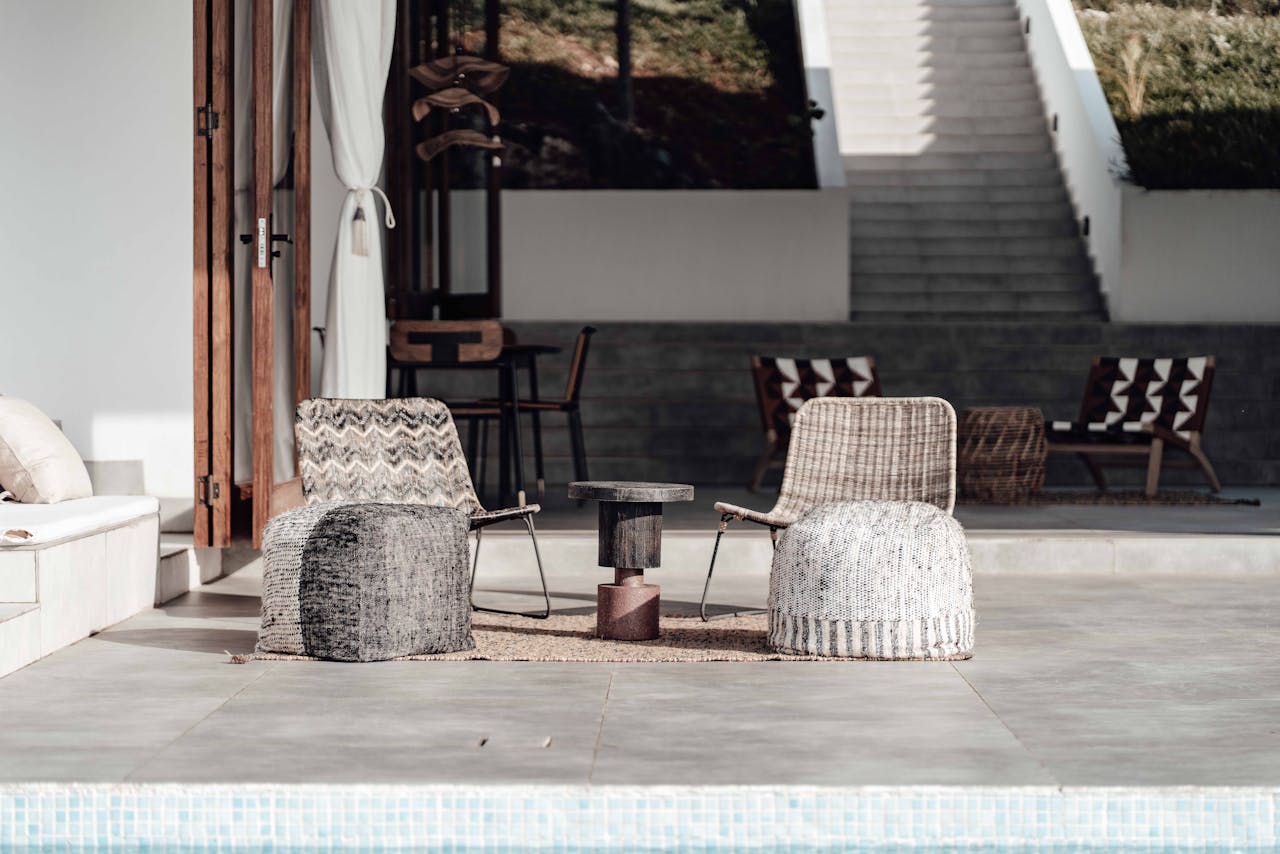
Photo by Keegan Checks
Tampa is quickly becoming a hub for innovative home design, with residents embracing trends that enhance both form and function. Whether you’re undertaking a complete renovation or focusing on smaller upgrades, staying on top of the latest design ideas can help you create a space that reflects your lifestyle. With warmer weather year-round and a focus on indoor-outdoor living, Tampa homeowners are blending practicality with aesthetics.
Let’s dive into the top trends that can elevate your home, whether you’re aiming for more comfort, improved functionality, or just want to keep up with modern aesthetics.
1. Open-Concept Living Spaces
Open-concept living spaces continue to dominate the design world, offering homeowners better flow and a more connected feel—an approach often embraced by firms like Crush Architecture. In these designs, walls between kitchens, living rooms, and dining areas are removed to create one large, cohesive space. This layout makes homes feel larger, brighter, and more inviting by allowing light to travel freely between areas.
Beyond aesthetics, open-concept layouts foster social interaction. Family members can easily converse while performing different tasks, and it becomes easier to entertain guests. This trend works particularly well for homes with limited square footage since it maximizes every corner of available space.
2. Spa-Like Bathrooms
A major trend in home design is the transformation of bathrooms into luxurious, spa-like sanctuaries. More than just functional spaces, bathrooms are now being designed as areas for relaxation and self-care. Features such as walk-in showers, freestanding tubs, and double vanities are becoming common elements in this trend. A focus on neutral colors, natural textures, and soft lighting helps complete the spa-like ambiance.
Hiring a bathroom remodeling company in Tampa can help you incorporate modern elements that align with this trend. High-end finishes, such as marble countertops or rain showerheads, provide a relaxing escape within your home. With wellness becoming a priority for many homeowners, creating a serene bathroom environment is a trend that will continue to grow.
3. Bold and Statement Lighting
Lighting has evolved beyond simple functionality to become a defining feature in modern interiors. Statement lighting—such as oversized pendant lights, geometric chandeliers, and sculptural fixtures—adds personality and drama to any space. These fixtures not only illuminate rooms but also serve as works of art, giving each area its own distinctive character.
In kitchens, bold lighting above islands creates a visual focal point, while in dining areas, chandeliers help set the mood. Homeowners are experimenting with various shapes, materials, and finishes, ensuring that lighting becomes an integral part of the overall design.
4. Multi-Functional Spaces
With remote work and hybrid schedules becoming the new normal, multi-functional spaces are a top priority for homeowners. Rooms now need to serve more than one purpose—home offices double as guest rooms, and exercise spaces blend with living areas. This trend reflects a desire for flexibility, ensuring that homes can adapt to changing needs without major renovations. Additionally, for those looking to enhance accessibility or improve the overall convenience of their home layout, installing a home elevator can be a practical solution. To explore various options, see more from this site about home elevators.
Adding built-in shelving, fold-out furniture, or room dividers helps create these dual-purpose areas. Multi-functional spaces are not only practical but also make the home feel more organized and efficient, with every part of the house serving a clear purpose.
5. Natural Materials and Textures
As homeowners seek to create more comfortable and inviting spaces, natural materials and textures are becoming essential design elements. Materials such as wood, stone, and rattan bring warmth and authenticity to interiors, making spaces feel more grounded. Organic textures, such as woven fabrics or unfinished wood, also add a tactile element that softens modern designs.
This trend complements a wide range of design styles, from modern minimalism to rustic chic. Incorporating natural materials into flooring, furniture, or decor creates an inviting atmosphere that connects the indoors with the outdoors. This approach not only enhances aesthetics but also promotes a sense of well-being within the home.
6. Outdoor Living Spaces
The trend of blending indoor and outdoor living continues to gain popularity, especially in regions where the climate allows for year-round outdoor enjoyment. Homeowners are expanding their living spaces by adding patios, decks, and backyard lounges that function as extensions of their interiors. Outdoor kitchens, fire pits, and comfortable seating areas are common features, creating spaces perfect for relaxation or entertaining guests.
These outdoor areas are not only about utility but also design. Homeowners are incorporating weather-resistant furniture, ambient lighting, and lush landscaping to create inviting environments. This trend reflects the growing desire to maximize outdoor experiences while maintaining the comforts of home.
7. Minimalist Design with Personality
Minimalist design remains a top trend, but it’s evolving to include more personality. Instead of sticking to all-white or neutral palettes, homeowners are now adding subtle bursts of color, interesting decor items, and personal touches. This approach combines the simplicity of minimalism with the uniqueness of individual style.
The idea is to reduce clutter while still creating spaces that feel lived-in and personal. Homeowners are investing in fewer but higher-quality pieces, making sure each item has a purpose or sentimental value. This balanced style makes homes feel clean and organized without becoming impersonal.
8. Energy-Efficient Design Choices
With environmental awareness on the rise, energy-efficient design choices are becoming a priority in many homes. Homeowners are adopting smart technology and sustainable materials to reduce their environmental impact and improve energy efficiency. Solar panels, automated thermostats, and energy-efficient appliances are common features in this trend.
These upgrades not only help the planet but also provide long-term savings. For example, smart thermostats learn homeowners’ habits to optimize heating and cooling, resulting in lower energy bills. Homeowners are also opting for LED lighting and water-saving fixtures to make their homes more eco-friendly.
In conclusion, these trends demonstrate that modern home design is about creating spaces that are both functional and reflective of personal style. Whether you are expanding your outdoor area or incorporating energy-efficient solutions, the goal is to enhance your living experience while keeping up with the latest ideas. Embracing these trends ensures that your home will not only look beautiful but also suit your lifestyle and needs for years to come.