
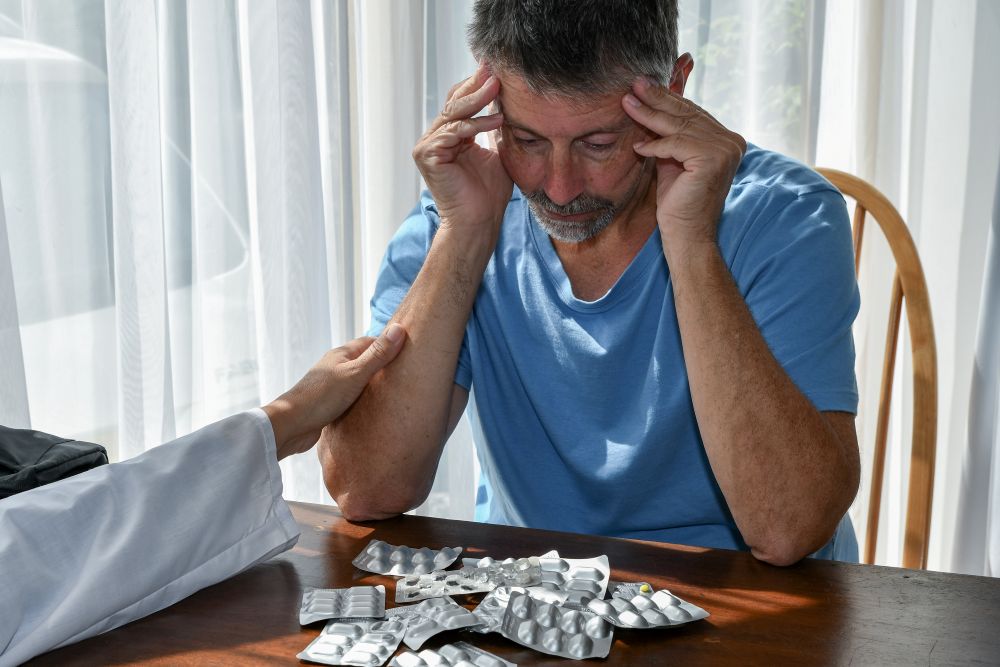
Most people never see addiction coming. What starts as a way to cope can turn into something that controls everything. Your time, thoughts, and even your entire day.
Trying to recover while you’re still in that environment? Nearly impossible. Luckily, residential treatment can help. It gives you a complete break. A space to breathe and focus on getting better.
It’s not quick. It’s slow, steady work. But you’re doing it in a place built for healing. Away from everything that can pull you back.
Let’s take a look at why you should consider residential addiction treatment:
Offers Professional Support Around the Clock
Recovering from an alcohol addiction can be challenging. You may be having a good day at work when a craving hits you out of nowhere. Or maybe you’re fine until evening. But suddenly, withdrawal symptoms start creeping in.
In residential treatment, you don’t have to face those moments alone. Licensed professionals are available 24/7. They can monitor how you’re doing and guide you through each stage of the recovery process.
When looking for a residential addiction treatment center, opt for one with a good pool of trained professionals. The team should include:
- Medical staff trained in addiction medicine
- Therapists who specialize in substance use disorder
- Counselors who understand the emotional side of healing
You need help at 2 a.m. because you can’t sleep? Someone’s always available. Feeling overwhelmed during the day? You can reach out. Have questions about your treatment plan? Just ask.
This kind of support can help make your recovery easier. You no longer need to manage these challenging moments by yourself. You have help whenever you need it.
Provides a Safe Space to Reset
When you’re at home, you’re probably close to some of the things that may trigger your addiction. Trying to recover in such an environment can be tricky.
Residential facilities offer distance from such things. You get the space to focus on your mental health. This may be especially helpful when you’re dealing with anxiety, depression, or other mental health conditions alongside addiction.
You get a stable environment where your body and mind can start healing. You’re not running from stress anymore. You’re learning to face it with guidance and support.
Brings Structure and Stability
Addiction can throw your life off balance. Your sleep schedule can change, and you may start skipping meals. And responsibilities? They may as well be forgotten. But here’s the thing: You can start feeling lost without routine.
Residential treatment can bring structure back into your day. You follow a schedule: therapy sessions, meals, rest time, and group work.
You might also pick up skills for building a healthy routine after treatment. That steady rhythm may help your body and mind find some stability again.
The bottom line? Structure can teach you discipline. And that discipline could make the difference when you’re facing challenging moments down the road.
Teaches New Ways to Cope
Recovery goes beyond quitting substance abuse. You need healthier ways to handle life. In treatment, you can learn practical tools for managing stress, anxiety, and cravings.
Therapists can use cognitive-behavioral therapy. This can help you understand how your thoughts influence your actions. You can also try mindfulness techniques or start journaling. What about building an exercise routine? It can help release tension and improve your mood.
Beyond that, some programs offer cultural support and spiritual care. These resources can provide extra meaning and motivation in your recovery journey. But these methods may only work depending on your background and beliefs.
Includes Family in the Healing Process
Addiction can also affect your family as much as it does you. Your loved ones watch you struggle with simple tasks, and they feel the weight too. Your relationship can also get strained. What about trust and communication? They may break too.
Family therapy sessions can help rebuild your relationship with your family. They can teach relatives about addictions. Your loved ones will know how to offer the right support without enabling harmful behavior.
When families learn together, the foundation will get stronger. That could make coming home after treatment feel less overwhelming and more manageable.
Builds a Community That Understands
Addiction can sometimes feel lonely. You might think that no one can get what you’re going through.
But residential facilities change that. You’re surrounded by people facing the same battles. Alcohol addiction, prescription drug dependence? You name it! They know the struggle because they’re living it too.
Those connections can become a good support network. Group sessions happen daily. This means conversations with peers become part of your routine. As such, you might start feeling like you belong.
Support groups can also connect you with helpful resources after you leave. That sense of community doesn’t have to end when the program does. You can still reach out to the people you met when you were still in the program.
Prepares You for Life After Treatment
Residential treatment programs lay the foundation. But what comes next is up to you. As you near the end of your stay, your care team can help you build a plan for everyday life.
That might include ongoing therapy, sober living arrangements, or local support groups. You’ll need something in place when the structure of treatment ends.
Aftercare programs are even more helpful when managing both addiction and mental health conditions. You keep getting the support you need through therapy and regular check-ins.
The approach may not be perfect. But it gives you the right tools to keep moving forward. You might not go back to your original self, but it’s a step closer to rebuilding your life.
Wrapping Up
Recovery from addiction isn’t easy, and there’s no single path that works for everyone. But residential treatment can give you focused time, professional support, and a space to heal.
If you’re struggling with substance abuse or co-occurring mental health conditions, reaching out for help can be the most important step to take in your recovery. You don’t have to figure this out alone. Recovery is possible, and it starts with taking the first step.