
Walk down any Birmingham high street and you’ll notice something. Shops aren’t just selling products anymore. They’re telling stories. And they’re doing it through video.
It’s everywhere. Instagram reels showing behind-the-scenes glimpses of coffee roasting at Quarter Horse. TikTok tours of vintage finds at Cow. YouTube explainers from local fitness studios demonstrating proper form. The shift is unmistakable.
But why now? What’s driving Birmingham’s independent businesses, charities, and community groups to suddenly prioritise video? The answer isn’t straightforward, and it’s worth unpacking.
The Numbers Don’t Lie
Let’s start with what we know. Video consumption in the UK has exploded. According to Ofcom’s 2024 report, the average British adult now spends over 5 hours daily watching online video content. That’s up from 3 hours and 22 minutes in 2018.
Think about your own day. How many videos have you watched before lunch? A recipe. A news clip. Maybe a product review. We’re all doing it.
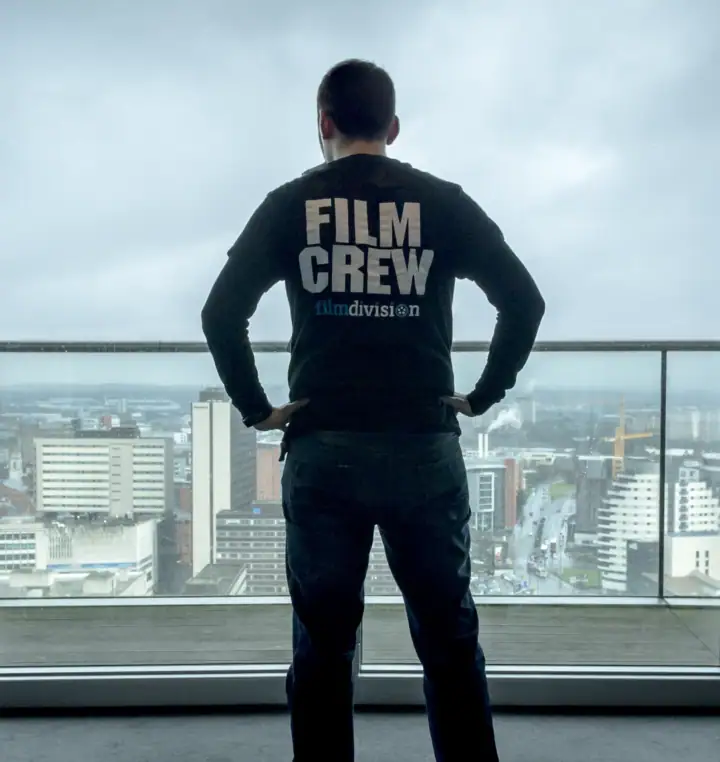
For Birmingham businesses, this creates both pressure and opportunity. If your competitor is creating engaging video content and you’re not, you’re invisible. Professional video production companies in Birmingham, like Film Division, are helping local businesses create engaging content for digital platforms.
The playing field has changed. Having a website isn’t enough. Social media posts with static images get scroll past. But video? Video stops thumbs mid-scroll.
Authenticity Over Polish
Here’s something interesting. The videos that perform best aren’t always the most expensive ones. Birmingham’s independent scene has cottoned on to this quickly.
Take Stirchley’s independent bookshop, for example. Their staff recommendation videos are shot on phones. One continuous take. No editing wizardry. Just genuine enthusiasm about books. Their engagement rates? Through the roof.
Or look at Digbeth Dining Club. Their vendor spotlight videos are raw, real, and they work because they feel authentic. People want to see the person behind the business. They want to know where their food comes from, who’s making it, and why they should care.
This shift matters for smaller businesses. You don’t need a Hollywood budget. You need honesty, consistency, and something worth saying.
The Platform Puzzle
But which platform? That’s the question everyone asks.
Instagram and TikTok dominate consumer-facing brands. If you’re selling directly to individuals, particularly under 40, you need to be there. Short-form content. Quick hits. Entertainment mixed with information.
YouTube serves a different purpose. It’s where people go when they want to learn something. How-to videos. Detailed explanations. Longer content that builds trust over time. Birmingham’s trades have figured this out. Plumbers explaining common boiler issues. Electricians demystifying smart home setups. Mechanics showing what that warning light actually means.
LinkedIn has become surprisingly visual too. B2B companies in Birmingham are using video to humanise their brands. Company culture videos. Client testimonials. Industry insights. It’s working because LinkedIn users are actively looking for business content.
Then there’s your own website. Don’t overlook it. Video on landing pages can increase conversion rates by up to 80%, according to recent marketing data. That’s significant.
What Works in Birmingham
Local businesses are experimenting, and some clear patterns are emerging.
Customer testimonials are gold. Nothing builds trust like seeing a real person talk about their genuine experience. Birmingham’s service businesses are leading here. Personal trainers, accountants, solicitors, therapists. All using client stories to demonstrate value.
Behind-the-scenes content consistently performs well. People are curious. They want to see how things are made, grown, or prepared. Breweries showing the brewing process. Bakeries filming morning prep. Workshops demonstrating craft techniques. This content builds connection and differentiates you from faceless competitors.
Educational content establishes authority. If you know your field, share that knowledge. Answer common questions. Address misconceptions. Provide value without asking for anything in return. Trust follows.
Community involvement resonates strongly in Birmingham. Videos showing your participation in local events, partnerships with other independents, or support for community causes. This matters here. Birmingham values businesses that contribute beyond their bottom line.
The Technical Stuff (Simplified)
You don’t need to become a videographer, but understanding basics helps.
Lighting matters more than camera quality. Natural light is free and flattering. Face a window. Avoid overhead lighting. That’s 80% of good lighting sorted.
Sound is non-negotiable. Bad audio will kill even the best visuals. If you’re investing in one piece of equipment, make it a decent microphone. Viewers will forgive shaky footage before they’ll forgive audio they can’t understand.
Keep it short. Attention spans are genuinely shorter now. If you can say it in 30 seconds, don’t stretch it to 2 minutes. Respect your viewer’s time and they’ll come back.
Captions aren’t optional. Many people watch videos without sound. On the commute. At work. In bed next to a sleeping partner. If your message requires audio to make sense, you’re losing significant reach.
The Cost Question
This is where people hesitate. “We can’t afford professional video.” Maybe. But maybe you’re thinking about it wrong.
Start with what you have. Modern smartphones shoot in 4K. Use them. Learn basic editing through free apps. Test different content types. See what resonates with your audience before spending serious money.
When you do invest professionally, be strategic. One excellent brand video might serve you for years. A library of social content might need refreshing quarterly. Understand the purpose before committing budget.
Some Birmingham businesses are taking a hybrid approach. They’ll hire professionals for key pieces like a brand story or product launch. Then they’ll handle regular social content in-house. This balances quality with consistency.
Platform Algorithms and Reach
Understanding how platforms distribute content helps.
Instagram and TikTok prioritise watch time and engagement. If people watch your video through to the end and interact with it, the algorithm shows it to more people. This means your first few seconds are critical. Hook immediately or lose them forever.
YouTube values session time. Keep people on the platform and you’ll get rewarded. This is why longer, more detailed content can succeed there. Quality matters more than length, but if you can create genuinely valuable 10-minute videos, YouTube will help you find an audience.
Facebook still reaches older demographics better than alternatives. If your target market is over 50, don’t ignore Facebook video. The platform may feel less trendy, but the users are still there and still engaged.
Common Mistakes to Avoid
Birmingham businesses are learning as they go. Here are pitfalls to sidestep.
Don’t try to be everywhere at once. Pick one or two platforms. Do them properly. Spreading yourself thin produces mediocre content everywhere instead of excellent content somewhere.
Consistency beats perfection. Posting decent content regularly outperforms posting perfect content occasionally. The algorithm rewards regular creators. So does audience trust.
Don’t sell constantly. If every video is a pitch, people tune out. Provide value. Entertain. Educate. Build relationship. Then occasionally promote. The ratio matters.
Ignoring analytics is a mistake. You don’t need to become a data analyst, but pay attention to what works. Which videos get watched? Where do people drop off? What drives comments or shares? Let your audience teach you what they want.
The Future Isn’t Far Off
Video technology continues to evolve rapidly.
AI tools are making editing faster and more accessible. They’re not replacing human creativity, but they’re removing technical barriers. Smaller businesses will benefit most from this democratisation.
Live streaming is becoming easier and more expected. Customers increasingly want real-time interaction. Q&A sessions. Product launches. Virtual events. The technology is there and audiences are comfortable with the format.
Interactive video is emerging. Clickable elements within videos. Choose-your-own-adventure style content. Shoppable videos where you can buy directly from what you’re watching. Early days still, but worth watching.
Short-form video continues to dominate. TikTok proved the format works. Instagram copied it with Reels. YouTube launched Shorts. Every platform is prioritising vertical, brief, snackable content. This trend isn’t reversing.
Making It Happen
If you’re a Birmingham business considering video, start small but start now.
Audit your existing content. What stories are you already telling? What questions do customers regularly ask? What makes you different? Your first videos are already mapped out in these answers.
Test with low stakes. Film something on your phone this week. Post it. See what happens. You’ll learn more from doing than from planning indefinitely.
Find your voice. Don’t mimic what big brands or London agencies are doing. Be authentically Birmingham. That’s your advantage. People connect with real, local, relatable content.
Commit to a schedule. Even if it’s just one video per month. Consistency builds momentum and audience. Sporadic posting achieves little.
Watch what’s working for others in your sector, in your city. Not to copy, but to understand. What resonates locally? What feels forced? Learn from both successes and failures around you.
Why This Matters Now
Birmingham’s independent business scene is special. It’s built on character, community, and genuine relationships. Video amplifies these strengths.
When done right, video doesn’t feel like marketing. It feels like conversation. Like getting to know someone before you walk through their door. Like understanding why a business exists beyond profit.
In 2025, with attention fragmented and competition fierce, standing out requires more than good products or services. It requires connection. Video creates that better than almost any other medium.
The Birmingham businesses succeeding aren’t the ones with the biggest budgets. They’re the ones telling authentic stories consistently. They’re showing up, being real, and trusting their audience to respond.
That opportunity is available to every independent business in the city. The tools are accessible. The platforms are free. The audience is there.
What you do with it is up to you.