

Birmingham’s Chinatown is a compact yet vibrant reminder of how global cultures take root far from their origins. Tucked between theatres, shopping streets, and busy roads, it offers a snapshot of Chinese heritage expressed through architecture, cuisine, festivals, and everyday community life. For readers of Grapevinebirmingham, this familiar local space can also serve as a starting point for a much broader cultural curiosity. Beyond the archways and restaurants of Birmingham lies China itself: a country whose scale, history, and diversity extend far beyond what any overseas enclave can represent.
For travelers inspired to move from local experience to deeper immersion, exploring tours to China is often a practical way to understand how the country’s vast regions, languages, and traditions connect. Structured itineraries can help bridge distances that are difficult to grasp from afar, offering context that transforms surface-level familiarity into meaningful cultural understanding.
Birmingham’s Chinatown as a Cultural Gateway
Chinatowns around the world are cultural crossroads. In Birmingham, Chinatown functions as both a social hub for the local Chinese community and a point of contact for the wider public. Restaurants, supermarkets, herbal shops, and cultural events introduce aspects of Chinese life in an accessible and condensed form.
This environment reflects migration histories and adaptation. Traditions are preserved, but they are also shaped by local influences, regulations, and tastes. While festivals such as Lunar New Year bring colour and energy to the city, daily life in Chinatown represents a balance between cultural continuity and integration into British urban life.
Photo by Korng Sok on Unsplash
Scale and Context: The First Major Contrast
One of the most striking differences between Birmingham’s Chinatown and China itself is scale. Chinatown occupies a few streets; China spans a continent-sized territory with multiple climate zones, landscapes, and regional identities. What feels cohesive and familiar in Birmingham becomes expansive and complex when experienced at its source.
China is home to hundreds of cities with populations larger than Birmingham, alongside rural regions where lifestyles have changed little for generations. Understanding this scale is essential to appreciating Chinese culture beyond symbols and surface impressions. It explains why traditions vary so widely across the country and why no single city or region can represent the whole.
Regional Diversity Within China
Chinese culture is often spoken of as a singular entity, but in reality it is a mosaic of regional traditions. Language alone illustrates this diversity. While Mandarin is the official national language, many regions speak distinct dialects or languages such as Cantonese, Shanghainese, or Hokkien, each with unique pronunciation and vocabulary.
Cuisine also shifts dramatically from region to region. The Cantonese flavours commonly found in UK Chinatowns emphasize freshness and subtle seasoning, while Sichuan cuisine is known for bold spices and numbing heat. Northern regions favour wheat-based dishes like noodles and dumplings, while southern areas rely more heavily on rice. Traveling through China reveals how geography, climate, and history shape daily life in ways that are difficult to convey abroad.
Cities as Cultural Ecosystems
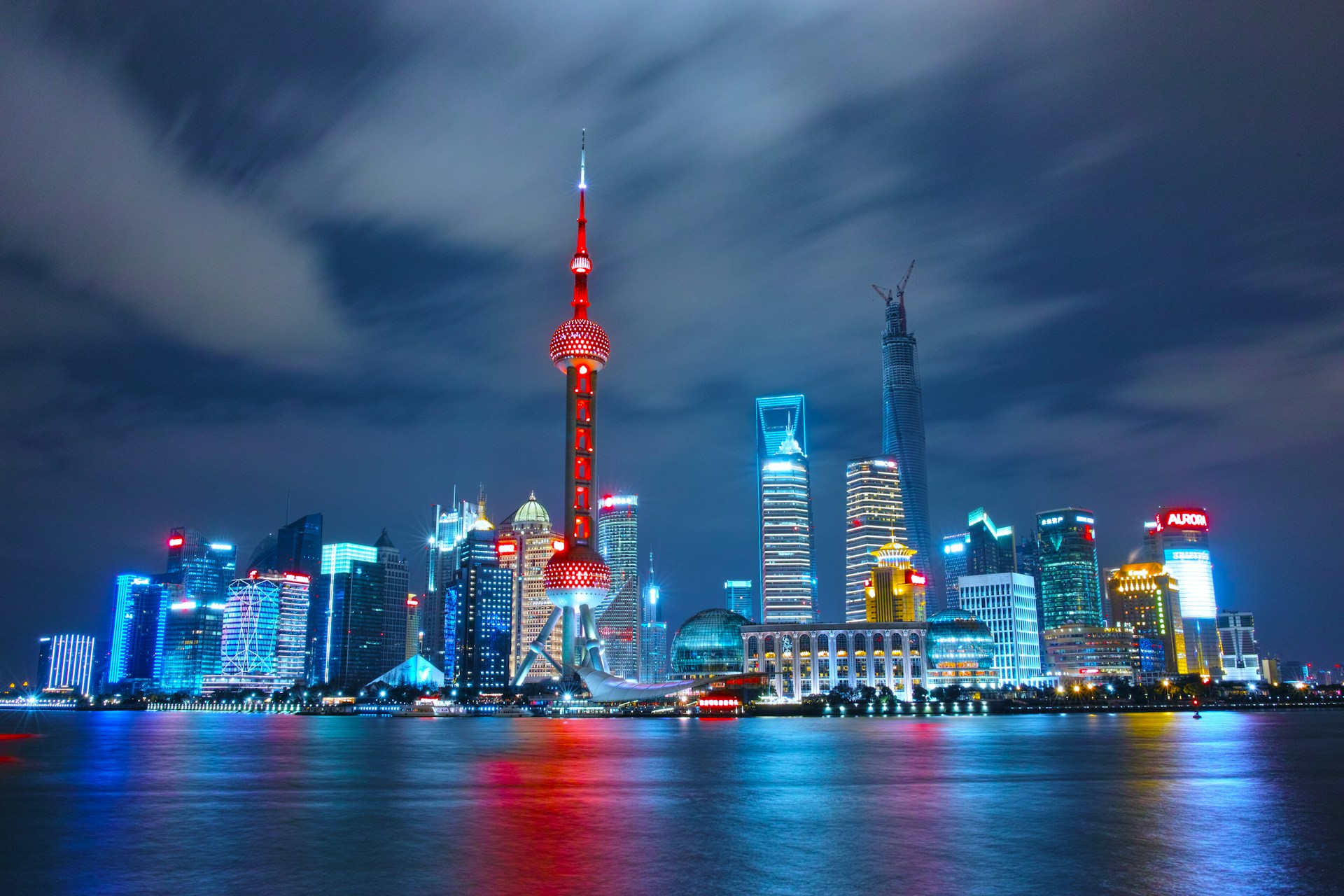
Major Chinese cities offer insight into how tradition and modernity coexist. Beijing reflects imperial history through its palaces, temples, and city layout, while also functioning as a contemporary political and cultural centre. Shanghai presents a different image, defined by international trade, modern architecture, and rapid development.
Unlike the symbolic architecture of Birmingham’s Chinatown, these cities are lived-in cultural ecosystems. Markets, parks, residential neighbourhoods, and transport systems all reveal how culture operates on a daily scale. Observing morning tai chi sessions, evening street food gatherings, or commuter routines provides context that goes beyond festivals and landmarks.
History Embedded in the Landscape
China’s long history is not confined to museums. It is embedded in landscapes, infrastructure, and social practices. The Great Wall, often viewed as a singular monument, actually stretches across multiple provinces and reflects centuries of changing political priorities. Ancient canal systems, city walls, and trade routes continue to influence settlement patterns today.
In contrast, Birmingham’s Chinatown expresses history primarily through memory and symbolism. Plaques, decorative elements, and community narratives hint at deeper roots, but the physical environment remains firmly British. Experiencing history in China means encountering it as part of everyday surroundings rather than as an imported reference.
Rituals, Festivals, and Everyday Life
Festivals such as Lunar New Year are among the most visible cultural connections between Chinatowns and China itself. In Birmingham, celebrations are concentrated into specific days, featuring parades, performances, and communal meals. In China, these festivals unfold over longer periods and are deeply tied to family, travel, and regional customs.
Beyond festivals, everyday rituals reveal further contrasts. Meal patterns, social etiquette, and concepts of personal space differ across regions and settings. Tea culture, for example, ranges from formal ceremonies to casual daily habits depending on location. Observing these nuances in China highlights how culture functions continuously, not just on special occasions.
Rural China and Cultural Continuity
While cities dominate global perceptions of China, rural regions play a crucial role in preserving traditions. Villages often maintain architectural styles, agricultural practices, and social structures that reflect centuries-old patterns. Seasonal cycles still guide work and celebrations, and community ties remain central.
This aspect of China has little direct parallel in overseas Chinatowns, which are primarily urban and commercially oriented. Visiting rural areas offers a perspective on how culture evolves slowly in response to environment rather than external influence, adding depth to any understanding formed abroad.
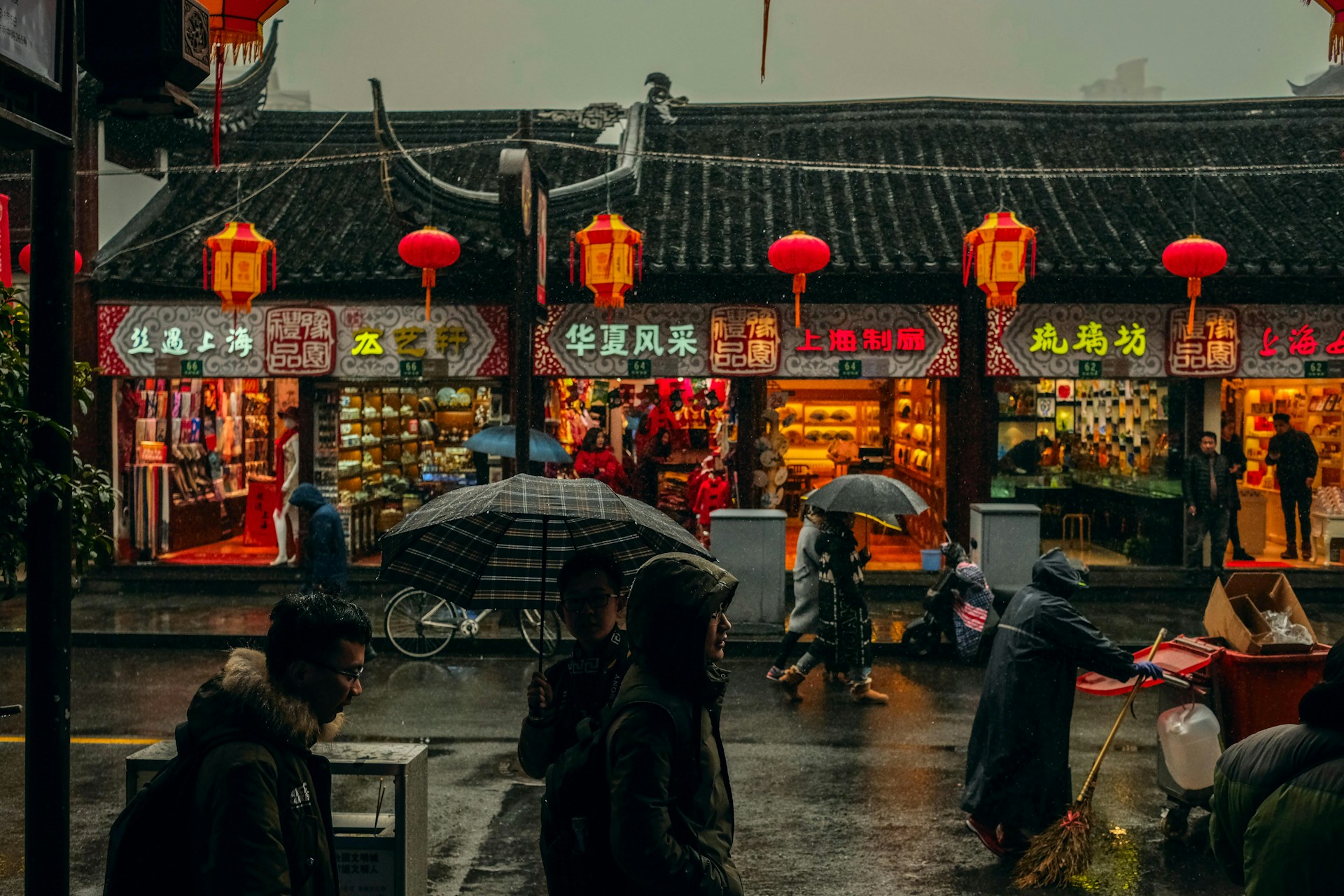
Photo by Nuno Alberto on Unsplash
Modern China and Global Interaction
China today is also shaped by global exchange, much like Birmingham itself. International trade, digital culture, and education link Chinese cities to the wider world. Young generations navigate identities influenced by both tradition and global trends, creating a dynamic cultural landscape.
This modern dimension helps contextualize overseas Chinese communities. Chinatowns are not static representations of the past; they are connected to contemporary China through media, travel, and family networks. Seeing modern China firsthand clarifies how these connections continue to evolve.
Travel as Cultural Translation
Moving from Birmingham’s Chinatown to China is less about replacing one experience with another and more about expanding understanding. Chinatown offers familiarity and accessibility, while China itself provides depth, variation, and context. Travel becomes a form of cultural translation, turning symbols into lived experience.
Navigating differences in language, transport, and social norms encourages observation and adaptability. These challenges are part of what makes cultural travel transformative, shifting perspectives formed through limited exposure into more nuanced appreciation.
Why the Contrast Matters
Comparing Birmingham’s Chinatown with China’s heart highlights how culture adapts across borders. One is shaped by migration, space, and integration; the other by scale, history, and internal diversity. Neither is more “authentic” than the other—they simply represent different expressions of the same cultural roots.
For readers interested in how global cultures intersect with local life, this contrast underscores the value of both proximity and distance. Local cultural spaces spark curiosity, while travel deepens understanding.
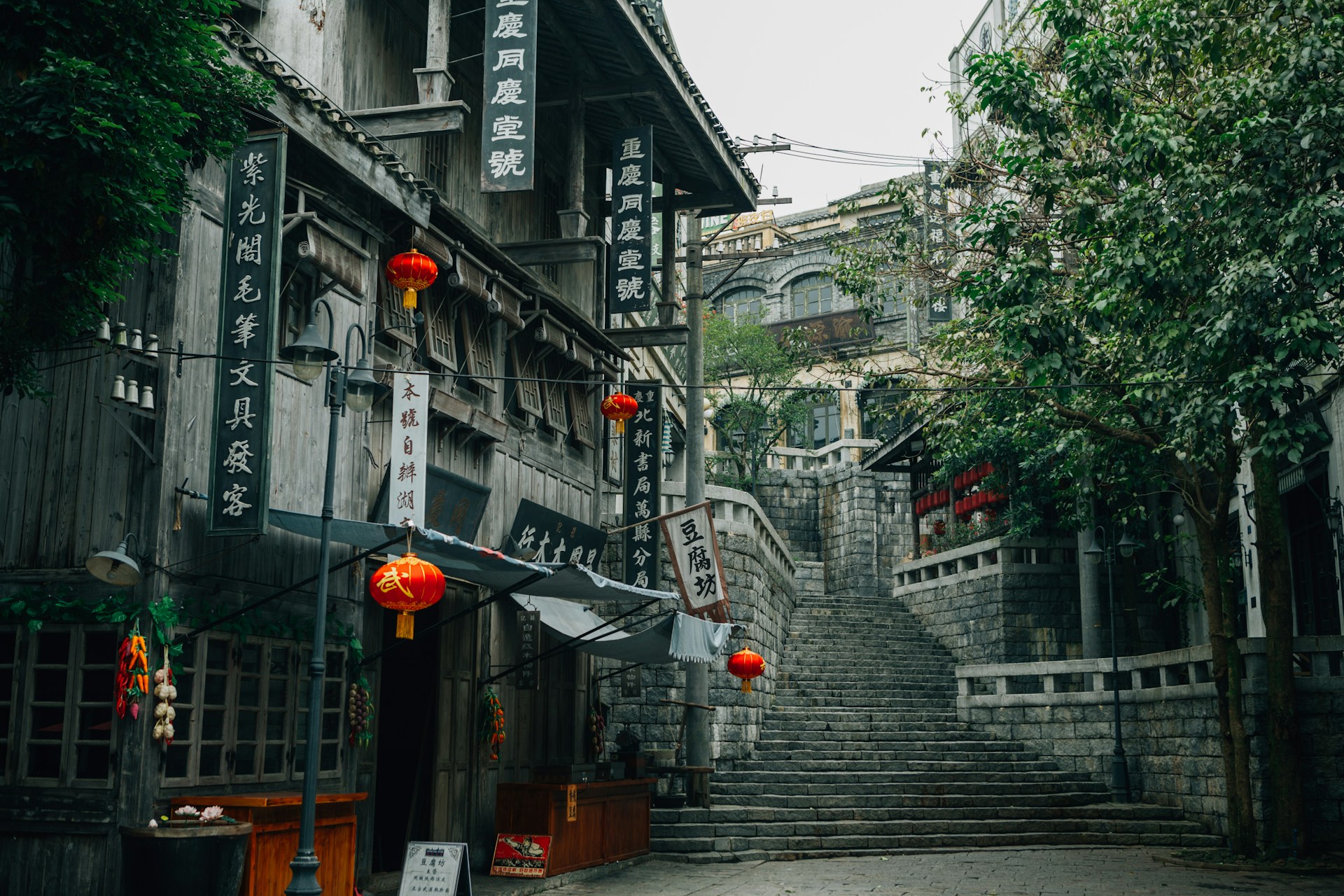
Photo by Denny Ryanto on Unsplash
From Local Familiarity to Global Insight
Birmingham’s Chinatown can inspire questions that only travel can answer. What does this tradition look like at its source? How do regional differences reshape what feels familiar? China offers answers not through spectacle alone, but through everyday encounters across its cities, countryside, and communities.
For those ready to move from a local cultural reference point to a broader exploration, China provides an opportunity to see how culture functions at full scale. The journey transforms contrast into connection, turning a neighbourhood experience into a deeper understanding of one of the world’s most complex societies.