
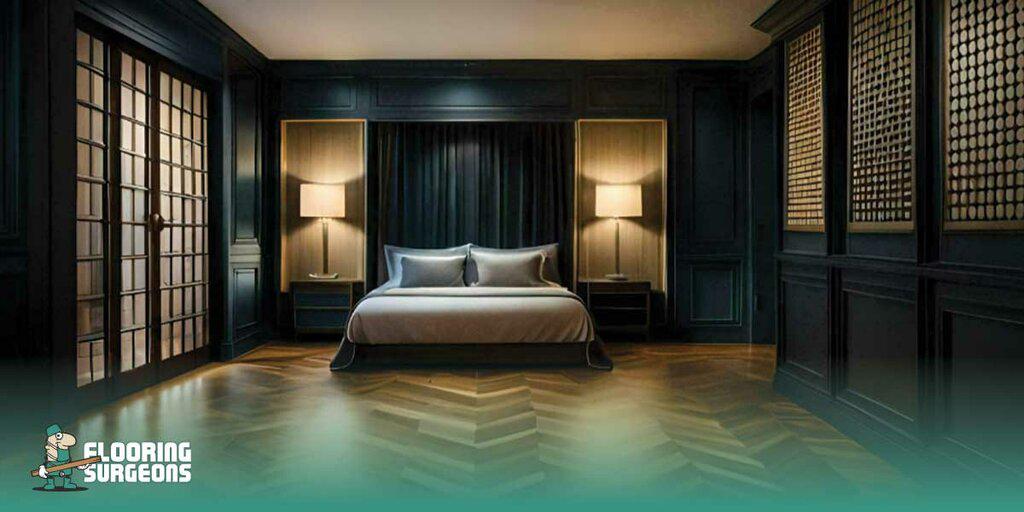
In today’s competitive interior design market, herringbone and chevron flooring have become leading choices for homeowners seeking a high-end, visually striking finish. These patterned layouts not only enhance aesthetics but also influence how space is perceived, adding depth, movement, and a sense of architectural structure. Widely used in modern UK homes, they are available in materials such as engineered wood, luxury vinyl, and laminate, offering flexibility in both budget and performance. Choosing between them depends on design style, installation complexity, and room functionality, making it essential to understand their differences before making a decision.
Herringbone interior design: timeless style for elegant living spaces
Herringbone interior design combines classic European heritage with modern functionality, making it one of the most versatile flooring patterns in today’s interiors. Its distinctive zigzag layout creates natural movement and visual direction, enhancing room proportions and making narrow spaces appear wider and compact rooms feel more open.
This pattern works exceptionally well in both traditional and contemporary settings because it adds texture without overwhelming other design elements. It also pairs effectively with neutral colour palettes, minimalist furniture, and natural materials, allowing the flooring to act as a subtle focal point. In high-end interiors, herringbone is often used to introduce a sense of craftsmanship and architectural detail without requiring complex structural changes.
Best Materials & Performance in Herringbone Flooring Interior Design
When it comes to herringbone flooring interior design, selecting the right material is critical for achieving both visual impact and long-term performance.
- Engineered wood offers a natural look with stability against humidity, ideal for living areas and bedrooms.
- Luxury Vinyl Tile (LVT) offers moisture resistance, durability, and easy care, making it suitable for kitchens, hallways, and bathrooms.
- Laminate flooring is affordable, scratch-resistant, and delivers a similar visual effect.
For budget-conscious projects, laminate or entry-level vinyl herringbone flooring offers a high-end look when installed correctly. Ensure proper subfloor preparation, alignment, and professional installation for durability and consistency.
Using Herringbone Floors Effectively in Interior Design
Using interior design herringbone floors effectively depends on both placement and layout direction. This pattern is ideal for spaces where visual impact and spatial enhancement are important. In living rooms, it creates a strong focal point and adds a sense of luxury. In hallways, laying the pattern along the length of the space can guide the eye and make narrow areas appear wider. In bedrooms, it adds subtle texture while maintaining a calm, elegant atmosphere.
For best results, the pattern’s direction should align with natural light or the main flow of the room. Proper planning of layout and transitions between rooms is essential to maintain visual continuity and a cohesive interior design.
Chevron Flooring: Sleek and Modern Design Solution
Modern chevron flooring offers a refined and highly structured alternative to traditional patterns. Its precise V-shaped alignment creates a continuous, symmetrical flow, delivering a clean, architectural finish that works particularly well in minimalist and modern interiors.
This flooring style is often used in open-plan spaces where strong visual direction is needed. It pairs well with large-format tiles, neutral colour schemes, and contemporary furniture. Due to its geometric precision, chevron flooring enhances the perception of order and balance within a space, making it ideal for high-end residential designs.
Key Differences Between Chevron and Herringbone Flooring in Design and Installation
Understanding the differences between chevron and herringbone flooring is essential when selecting the right pattern for your project. Chevron flooring features planks cut at an angle and joined to form a continuous V shape, while herringbone consists of rectangular planks arranged in a staggered zigzag pattern. While both create a zigzag effect, their structure and installation differ significantly.
- Herringbone features rectangular planks laid in a staggered, broken zigzag pattern, creating a textured and traditional look. This design is more adaptable to different room shapes and offers more forgiveness during installation.
- Chevron involves planks cut at precise angles to form a continuous V, creating a cleaner, more modern look than traditional patterns. However, it requires exact measurements, precise cutting, and professional installation to achieve a flawless finish.
From a performance perspective, both patterns rely on chosen materials. However, chevron typically incurs higher installation costs and complexity due to its precise pattern alignment. Your decision should reflect whether you want the adaptability and classic appeal of herringbone or the sharp, contemporary statement of chevron flooring.
Chevron and herringbone floor: how to choose the right option for your space
Choosing between a chevron and herringbone floor depends on your design goals, room layout, and overall interior style. Herringbone is better suited to classic, transitional, or character-rich spaces, where its textured pattern adds warmth and visual depth. Chevron, on the other hand, is ideal for modern, high-end interiors, offering clean lines and a more structured, symmetrical appearance.
It’s also important to consider room size and lighting. Herringbone can soften irregular layouts, while chevron enhances symmetry in open-plan or well-proportioned spaces. Material choice, such as engineered wood, laminate, or LVT, will further influence durability, maintenance, and suitability for different areas of the home.
Chevron floor installation: what you need to know before starting
Installing a chevron floor requires a high level of precision and professional expertise. Unlike standard flooring, each plank must be cut and aligned at exact angles to maintain a continuous V-shaped pattern. Any misalignment can disrupt the entire visual effect.
The subfloor must be completely level, dry, and properly prepared to ensure stability. Accurate measurements, careful planning of the starting point, and consistent spacing are essential for a flawless result. Due to the complexity, professional installation is strongly recommended, particularly for large areas or premium materials.
Cheap Herringbone Flooring with Premium Style on a Budget
For homeowners looking to achieve a high-end look without a high-end budget, cheap herringbone flooring offers an excellent solution. Options such as laminate and entry-level luxury vinyl provide the same distinctive pattern at a significantly lower cost.
These materials are not only more affordable but also easier to install and maintain, making them ideal for renovation projects or rental properties. When combined with proper installation and quality underlay, even budget-friendly herringbone flooring can deliver strong durability and an impressive visual finish.