
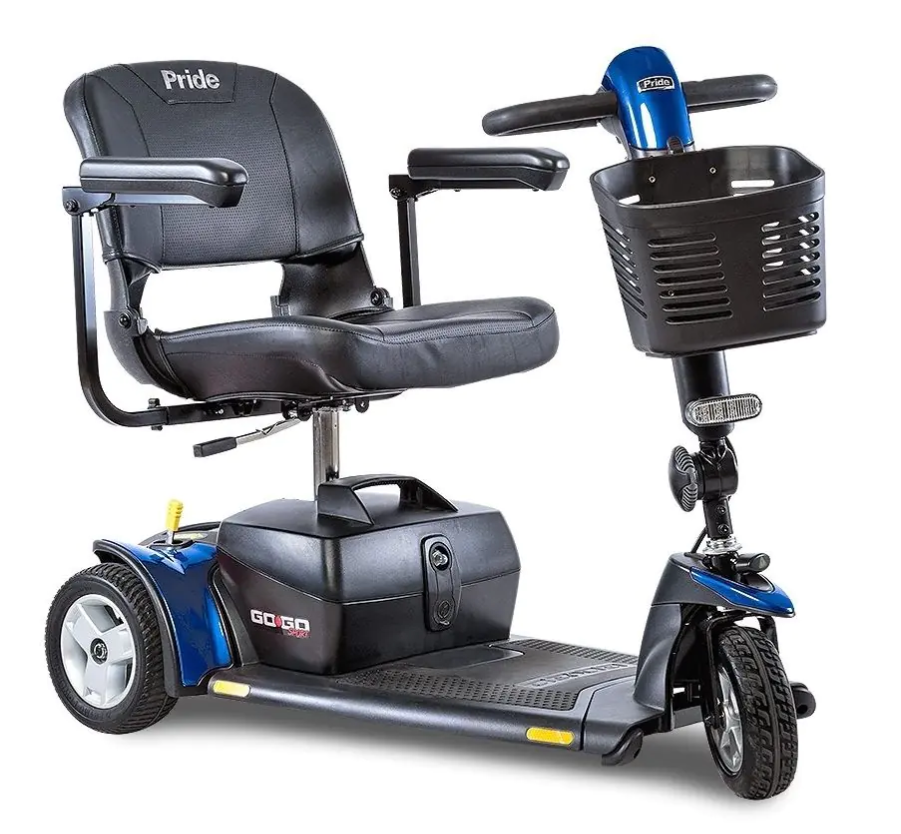
Mobility scooters can be purchased by following a similar process. One of the family members might have had a fall, or everyday tasks have become hard for them. Therefore, there is an urgent need to make a decision without any further research on the existing models of mobility scooters. Turning radii, amp-hour ratings, and weight limits of the spec sheets do not help the situation.
Then there’s the potential of spending hundreds of dollars on something they never use, and it’s no wonder that many buyers feel overwhelmed even before they begin to compare models. The good thing is that this decision becomes a lot easier when you are aware of which factors matter.
In this guide, let us break down what you need to consider before turning the excellent investment into a costly mistake and help you choose a model with confidence.
1. Start By Assessing Your Mobility Needs and Environment
It’s important to first be honest about where and how you are supposed to be using a 3 wheel electric scooter daily before looking at a single spec. Can it primarily remain in a house or apartment and move from room to room? Or can it spend most of its time outdoors, on sidewalks, driveways, and grass? This is an important question that most people realize.
Mobility issues are more prevalent than families realize, particularly amongst older people, with 18% saying they had serious problems walking or climbing stairs. A 3-wheel scooter is typically a better option for those who spend most of their time in the house or in confined areas, as it has a tighter turning radius.
But if you’re expecting to spend more time outdoors on uneven surfaces, it might be better to consider a 4-wheel model before sifting through the specific scooters.
2. Check the Weight Capacity and Seat Comfort
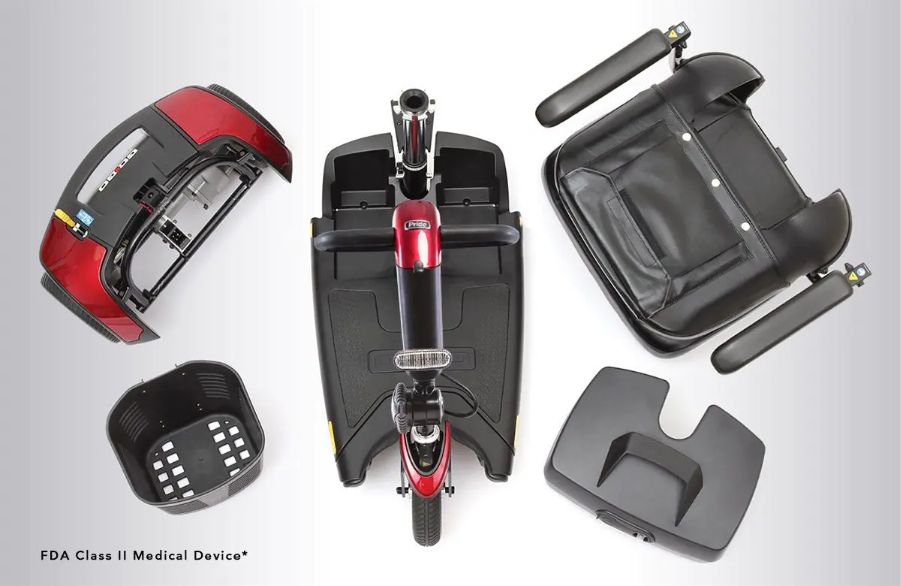
Once you’ve nailed down where the scooter is to be used, weight capacity and seating comfort come next. Most 3-wheel models support anywhere from 300 to 500 pounds. This allows the motor and frame a little “breathing room” and not be in near constant use.
Generally, to be on the safe side, select a scooter that would be a little bit heavier than you are — this allows you to carry groceries, bags, or other cargo and minimizes strain on the motor and suspension. It’s about comfort as well. An adjustable seat with armrests and a rear suspension is very helpful for longer rides.
3. Compare Battery Range and Charging Time
Naturally, the next question is how far you can go before needing a recharge. Not all batteries are created equal; check the amp-hour specifications as well as the “miles per charge” claims. Sealed lead-acid batteries are cheap and dependable. Lithium batteries are lighter and, if you travel, they can be airline-friendly as well.
Most mid-size 3-wheel scooters offer 15 to 25 miles per charge. Keep in mind, though, that these figures are measured under ideal conditions. Hills, regular stops, heavier riders and cold weather all tend to reduce real range, so opt for a little extra battery capacity, so you’re not stranded in the middle of an errand with a depleted battery.
4. Look at the Turning Radius for Tight Spaces
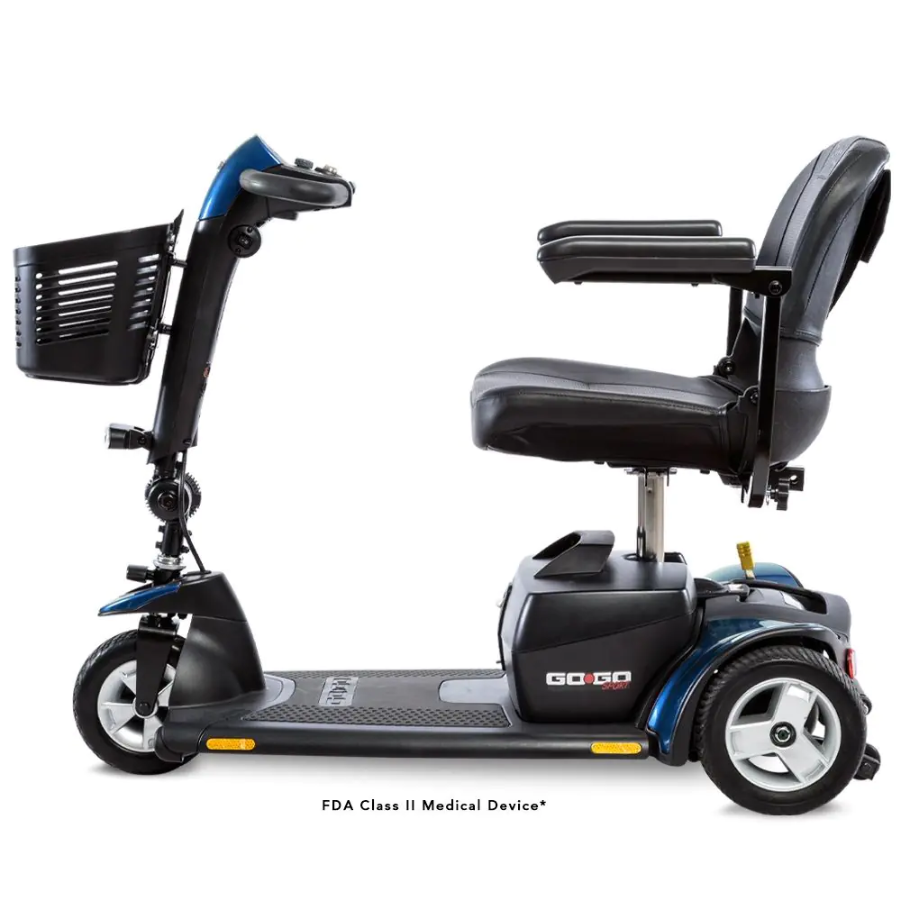
This is where the 3-wheel models really outperform the 4-wheel models. A smaller turning radius (usually between 31 and 45 inches) makes it much easier to navigate in tight hallways, small bathrooms or crowded stores.
If possible, measure the smallest door opening or turning space that you use frequently before you purchase. This measurement could help prevent you from getting a scooter that you cannot navigate in your home easily when compared to the width and turning radius of a scooter.
5. Prioritize Safety Features That Match Your Environment
Safety is more than just “no incident”. It’s a matter of picking out features that fit how and where you can ride. The number of injuries associated with powered mobility devices has been on the rise in recent years, and injuries and hospitalizations associated with scooters have increased rapidly since 2019. That’s not something to be taken lightly.
If you’re out after sunset, look for bright headlights and reflective elements. Electromagnetic brakes and anti-tip wheels provide an additional measure of security if you’re driving up ramps or lightly sloped inclines. Solid tires require less maintenance, and pneumatic tires roll better outside. These are more important to match your environment than a higher top speed.
6. Weigh Portability, Price, and Warranty
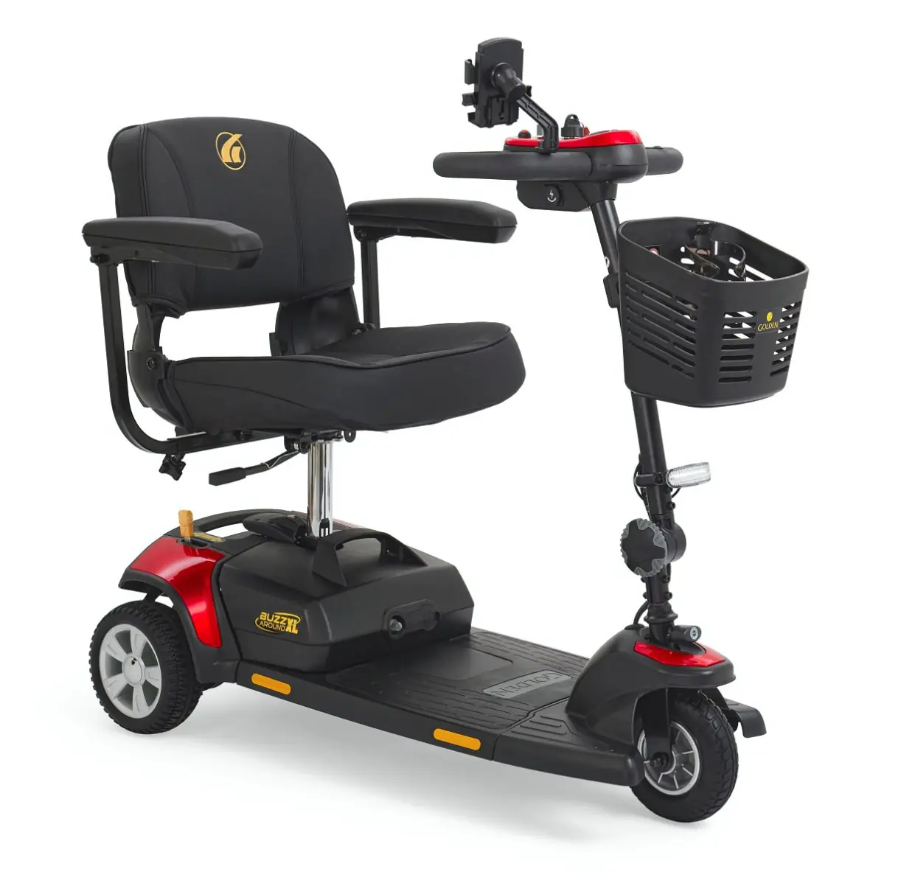
Finally, consider more than just the price. Could the scooter be assembled and disassembled for transport, and what is the heaviest component? If you intend to put it in a vehicle, be sure to look at the weight and verify that the largest piece can fit in the load area of your vehicle – many people look at the weight and not whether they can lift the heaviest piece.
Now, see if the manufacturers offer parts and labor warranty for the product, instead of only a mail-in warranty? These details are not something that one can take lightly. Many seniors already delay purchases over cost concerns, and a majority say they’d welcome more support toward staying independent at home. A good warranty and a reasonable payment schedule can make all the difference in whether you have a purchase that pays off or one that brings stress.
Common Buying Mistakes to Avoid
Before making your final decision, watch out for these common missteps:
- Making the selection of scooters based on the price rather than the needs of the users on a day-to-day basis.
- Purchasing a battery range that is either more or less than you actually use in your routine.
- Forgetting to measure doorways, elevators, and storage space.
- Not considering the weight of removable parts, if transport is important to you.
- Not considering warranties or services in the area.
Taking the time to look over these details can prevent you from having some expensive surprises after you’ve purchased your vehicle.
Bringing It All Together
Choosing the best 3-wheel electric scooter at the end of the day isn’t about grabbing the flashiest scooter available on the shelves. One by one, go through your needs, weight, battery, turning radius, safety and portability, and a decision that previously seemed overwhelming becomes refreshingly simple.
The top-rated scooter is the one that suits your lifestyle, not necessarily the one with the most features. Don’t rush, look around a few and select the ride that allows you a bit more independence.