
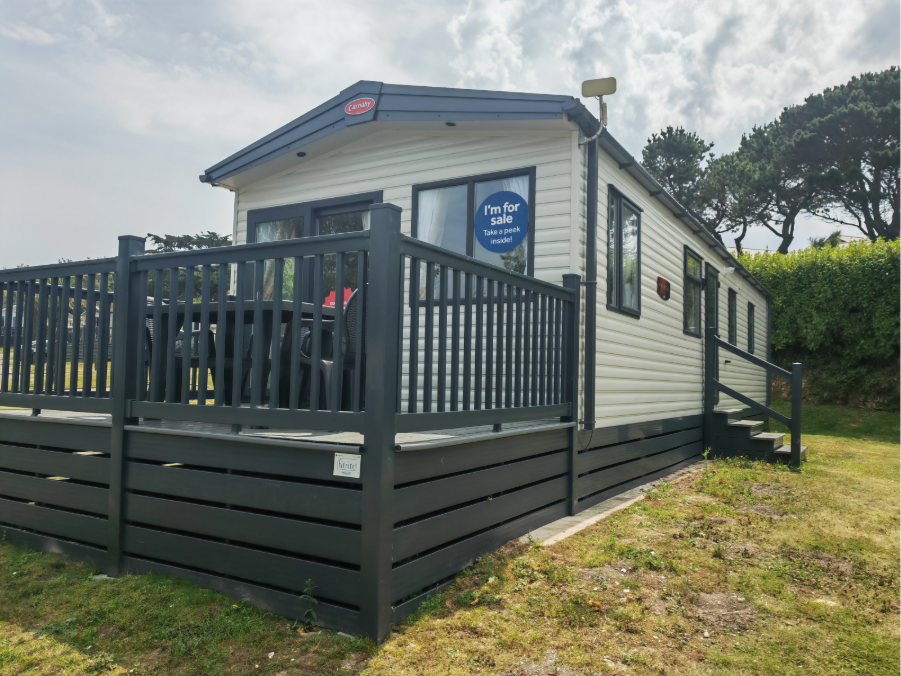
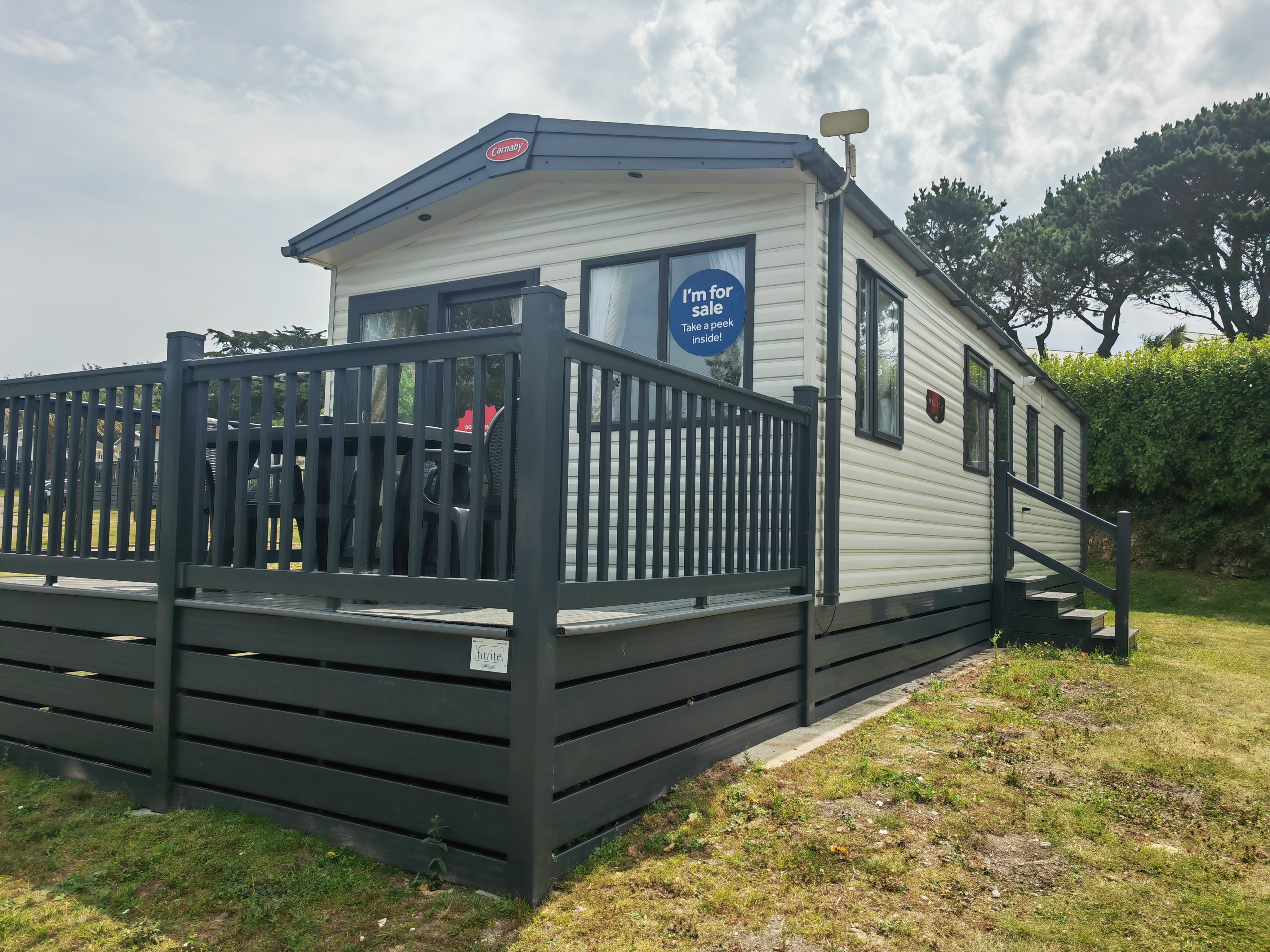
When you first start thinking about purchasing a static caravan, it might seem straightforward, but when you start looking, you realize that it is not. Thousands of listings pop up at a time, and dozens of parks and prices appear to fluctuate for the same model.
Most first-time buyers are overwhelmed, rush into a decision, and end up regretting the site fees or the location. Some end up in a park that is not exactly what they had envisioned for their holiday getaway.
Nearly all of these errors can be traced back to the lack of a few checks before committing. After that, this is a simple walkthrough centered around the most common questions that buyers have, ranging from the budget to what to look for before signing.
To help you make an informed purchase, the six steps below highlight what to look for, what to ask, and what to avoid.
1. Set Your Budget First
The UK’s diverse landscapes, from its dramatic coastlines to its peaceful countryside, have made holiday parks a popular choice for those seeking regular getaways or a relaxing second home.
Many people have found this allure to be irresistible, and as a result, many buyers turn their attention to the world of UK static caravans as a great way to enjoy these destinations all year round. When considering one, remember to calculate a realistic total cost and not just the price listed.
When purchasing a static caravan, one typically purchases the caravan itself rather than the land on which it is situated. The site fee, however, is an annual charge that is still the property of the holiday park.
Consider these costs before settling on a number:
- Site fees, utilities and insurance, which vary hugely between holiday parks
- Transport and siting costs if buying privately
- Ongoing maintenance and seasonal running costs
A caravan advertised at £30,000 can end up costing considerably more once running costs are factored in.
By dividing the budget into an initial amount and an annual amount, this ensures that decisions are kept on the ground. Also, look at finance since lots of holiday parks and particular lenders would provide payment plans. Before making a decision, shop around for repayment costs, interest rates, and monthly payouts.
2. Choose The Right Holiday Park
The holiday park is as important as the caravan, if not more. The frequency of the use of a holiday home is influenced by its location and atmosphere.
A few points worth weighing up:
- Owners Only versus Family Parks (Pools & Clubhouses).
- Distance from home and ease of access for regular visits.
- Practical facilities that truly meet the purpose.
- Length of the opening season and any restrictions on year-round access.
Each park has its own conditions of use and community atmosphere, so a visit to more than one park before deciding is worthwhile. Many times, a visit to a park on a weekday, when it is not so crowded, provides a more realistic picture than on a busy weekend.
3. New Or Pre-Owned Caravan
New caravans feature updated layouts, improved insulation and a full manufacturer warranty, but come with a hefty price tag. The price of pre-owned models is a lot lower and, if looked after properly, can provide pretty much the same level of comfort for a lot less of the outlay.
Before deciding, check:
- Signs of damp around windows and roof seams.
- The age of the caravan in relation to the model-year regulations of the park.
- Maintenance records, if any.
Also look at aspects like bedrooms, storage, insulation, double glazing and central heating. A slightly older caravan with the right layout can prove better value than a newer one that doesn’t suit your needs. Both have their pros and cons. The right choice depends on your budget, priorities and how often you expect to use the caravan.
4. Check Site Fees Fully
Many first home buyers fall for site fees. Usually, they are not apparent in the original listing or in early park discussion.
Ask directly about:
- The true cost of ground rents and utilities.
- Increase of fees each year (and approximately by how much)
- Insurance requirements set by the park
- Separate charges for maintenance, Wi-Fi or optional facilities
Inquire about the rates of VAT or additional fees for refuse collection, ground maintenance or winterization. Before committing, make sure you receive a statement dividing up all the annual costs. Total annual cost comparison of parks is more useful for value determination than the cost of purchase alone.
5. Understand Ownership Rules Before Signing
Each park has its own regulations in respect of subletting, pet numbers and how long a caravan can remain vacant between visits.
There are some differences to note early on:
- Year-round parks versus those closing for winter months.
- Holiday-use agreements versus residential park homes.
- Rights and protections of each agreement type.
Inquire about the duration of the caravan stay, any age restrictions, and what the procedures are if you’re considering selling. The deals vary widely, and even knowledgeable buyers can easily be confused. Don’t just lightly read the license agreement; it helps prevent some not-so-pleasant surprises after you’ve moved in.
6. Book A Viewing Trip
Photos and floor plans can’t tell the entire story. After browsing, there is a need to visit the actual location.
During a viewing, it helps to:
- Don’t walk just the pitch on offer, walk the whole park!
- Try to visualize the park during busy and quiet months.
- Talk to current homeowners about what they would have liked to have known.
- Test the heating, plumbing and appliances where possible.
- Check for any moisture around corners and windows.
- Specifically, inquire about what is being offered.
Take a checklist with you that includes condition, storage, fixtures included and license expiry. It helps to focus the visit and minimizes the risk of overlooking anything of significance. A good park allows its potential customers to ask questions in a non-threatening way.
Conclusion
Purchasing your first static caravan is indeed a major investment. Before booking a place, research the cost, the park’s guidelines and the owner’s details to make the process much easier from the start.
Keep a realistic budget, select a park according to your lifestyle, and carefully consider new or pre-owned. Review each fee line item, understand the ownership rules and inspect the site before making a decision. First-time buyers can avoid a hasty decision by taking their time with each step and walking away from anything that is confusing.
However, with proper planning and appropriate inquiries, you can find the right holiday home with confidence and delight.