
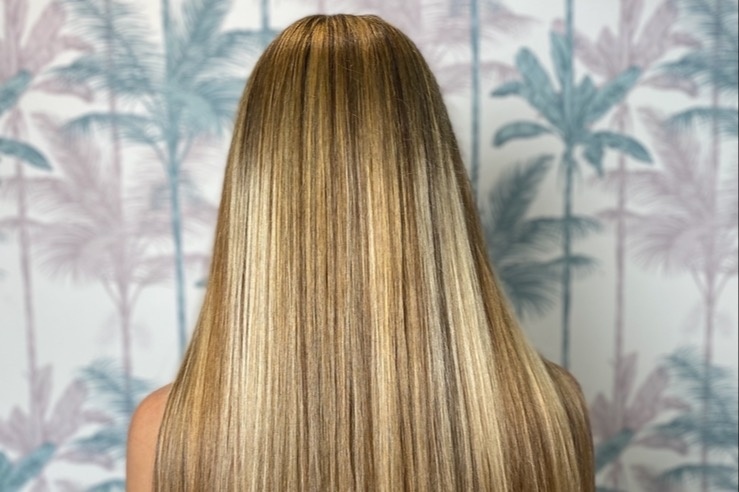
Smooth, glossy hair is often seen as the epitome of well-kept beauty. For many, it starts with the right treatment.
Hair smoothing treatments offer advanced solutions that tame frizz and improve hair texture and manageability. These treatments, backed by science and salon expertise, are now safer, more tailored, and longer-lasting than ever before.
Let’s explore the most popular smoothing methods available, their benefits, potential downsides, and how to maintain your hair post-treatment for long-lasting results.
What are Hair Smoothing Treatments?
Hair smoothing treatments refer to professional salon services that reduce frizz, enhance shine, and improve manageability. Unlike harsh straightening techniques of the past, modern methods are designed to work with your hair’s natural pattern rather than against it.
They don’t necessarily straighten your hair completely. Instead, they soften waves or curls and eliminate static, leaving hair more flexible and easier to style.
Types of Smoothing Treatments
Different treatments cater to various hair needs. Understanding their unique benefits helps you determine the most suitable option.
Keratin Treatments
Keratin-based solutions replenish lost protein, sealing the hair cuticle for a smooth, polished finish. These treatments significantly reduce styling time while enhancing hair strength and shine.
Chemical Relaxers
Ideal for those seeking permanent results, chemical relaxers break down the natural bonds in the hair, restructuring it into a straighter form. They are best suited for thick, curly hair requiring long-term manageability.
Japanese Straightening
A thermal reconditioning process that permanently alters hair texture, leaving it sleek and straight. It involves multiple treatment steps and requires careful post-care to maintain its effects.
Botox Hair Treatments
Despite its name, hair botox does not contain botulinum toxin. Instead, it uses deeply conditioning ingredients that smooth and repair damaged strands while improving elasticity.
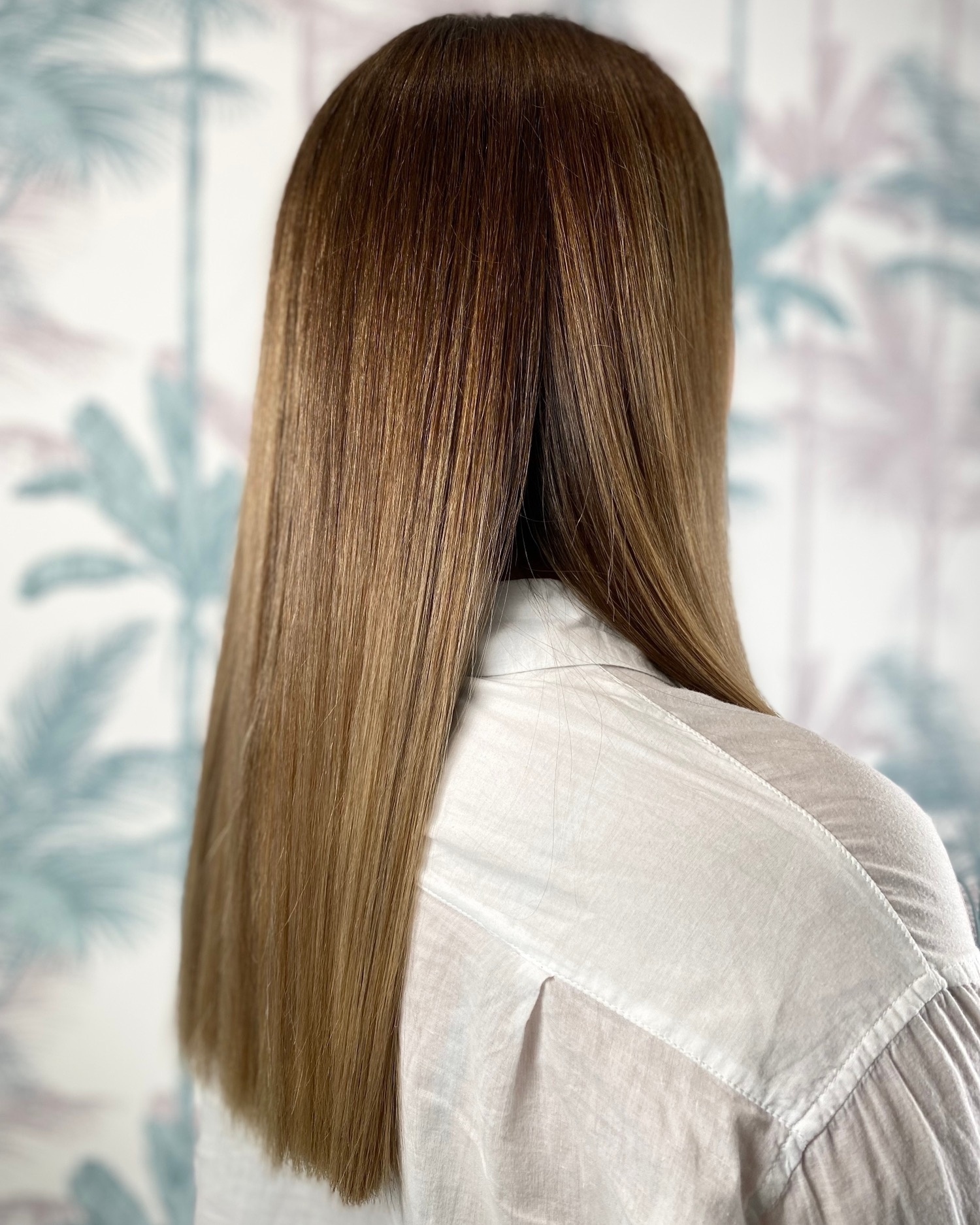
Pre-Treatment and Aftercare Essentials
Preparation and maintenance are key to achieving the best results from a smoothing treatment. What you do before and after can impact how long the effects last.
Before your salon visit, avoid over-washing and clarify your hair a few days in advance. Doing so removes product build-up and allows the treatment to penetrate more effectively.
It’s also crucial to discuss your hair history with your stylist—previous dye jobs or chemical processes may affect how your hair responds.
Aftercare is just as important. To keep your hair looking sleek and healthy for weeks:
- Avoid washing your hair for at least 48 hours post-treatment
- Use sulphate-free shampoo and conditioner
- Minimise heat styling and always apply a heat protectant if necessary
- Sleep on a silk pillowcase to prevent friction and frizz
Who Should Consider a Smoothing Treatment?
Smoothing treatments aren’t limited to one hair type. They’re suitable for anyone experiencing frizz, rough texture, or difficulty managing their hair in humid weather.
If you have wavy or loosely curled hair and want a more polished look without permanent straightening, smoothing is an excellent middle ground. On the other hand, if your hair is fine and naturally straight, these treatments may weigh it down or lead to flatness.
A stylist will assess your hair type, density, and condition before recommending the most effective treatment. Customisation is key to avoiding unwanted side effects and achieving natural-looking results.
Conclusion
Modern hair smoothing treatments are more sophisticated than ever, offering solutions that blend science, haircare, and style. With the right approach, they can simplify your routine, reduce frizz, and give your hair a fresh, glossy finish.
To get the most out of your treatment, choose a method suited to your hair’s condition and texture, and follow a consistent aftercare routine. With expert guidance and the right products, you can enjoy silky, manageable hair that lasts well beyond the salon chair.