
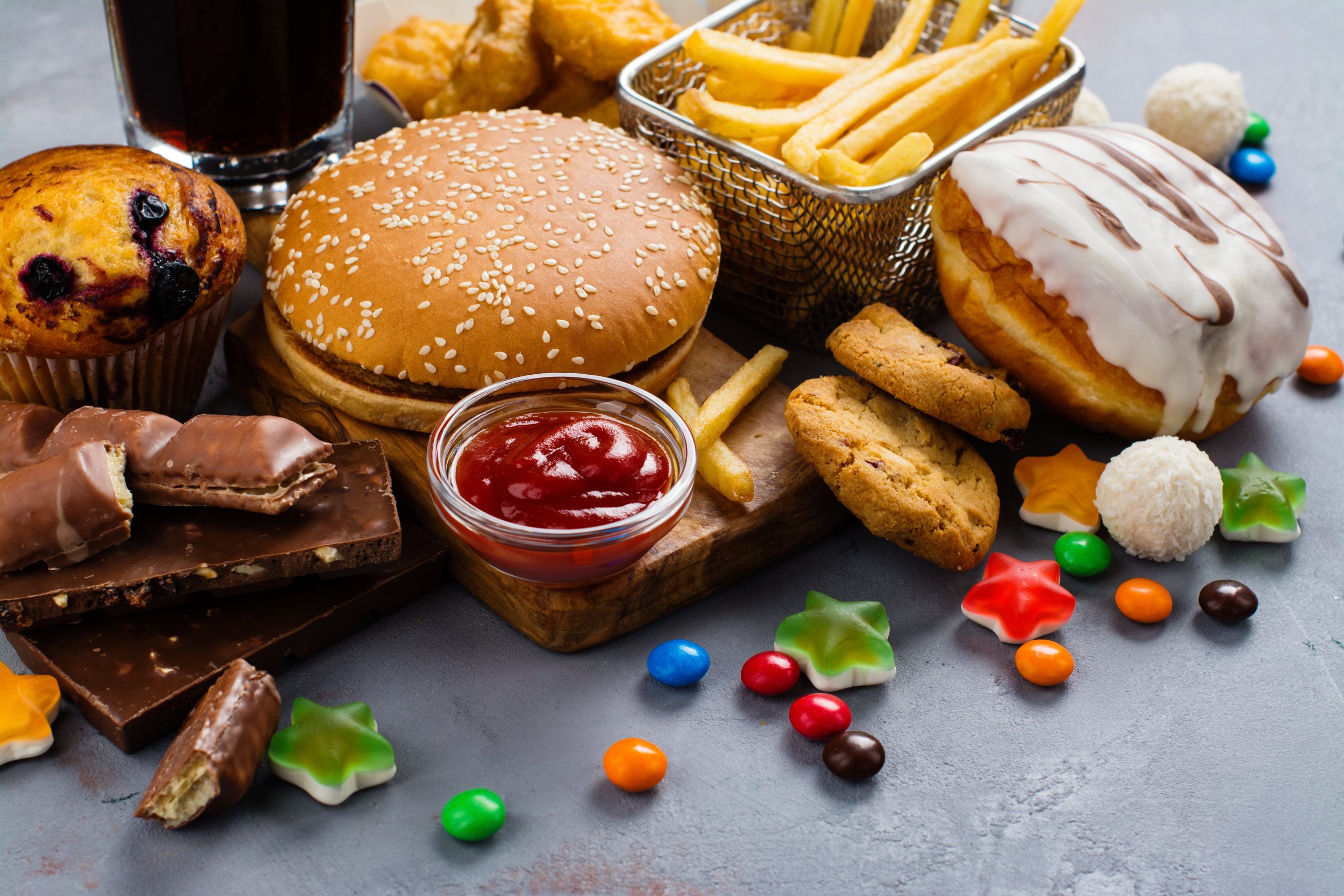
Following the introduction of a ban on junk food advertising across television and online platforms, Birmingham City University (BCU) dietician Sean Macintosh has said the move is a positive step but warned it will not be enough on its own to address childhood obesity.
The new regulations, introduced to help tackle childhood obesity, prevent foods high in fat, salt and sugar from being advertised on TV before 21:00 and at any time online.
According to NHS data, almost one in 10 (9.2%) reception-aged children are living with obesity, while one in five children experience tooth decay by the age of five.
“The ban is a positive step towards better protecting children from constant exposure to junk food advertising, which makes it harder for them to develop healthy eating habits,” said Macintosh.
“However, this must form part of a wider approach that also improves access to affordable, nutritious food and provides practical nutrition education, which is key to the initiative’s success.”
Evidence shows that exposure to junk food advertising is linked to increased consumption of foods high in fat, sugar and salt. The government estimates the ban could prevent around 20,000 cases of childhood obesity.
“Evidence shows that seeing these adverts influences children’s eating behaviours and shapes their preferences from a very young age,” added Macintosh.
“So this policy helps mitigate long-term health risks linked to poor diet, including childhood obesity, type 2 diabetes, dental decay and cardiovascular disease later in life.
“The ban also helps create a healthier food environment, supports parents in making balanced choices, and can contribute to reducing childhood obesity and related health inequalities over time.
“Healthier eating patterns established in childhood are strongly associated with better physical and metabolic health across the lifespan.”