
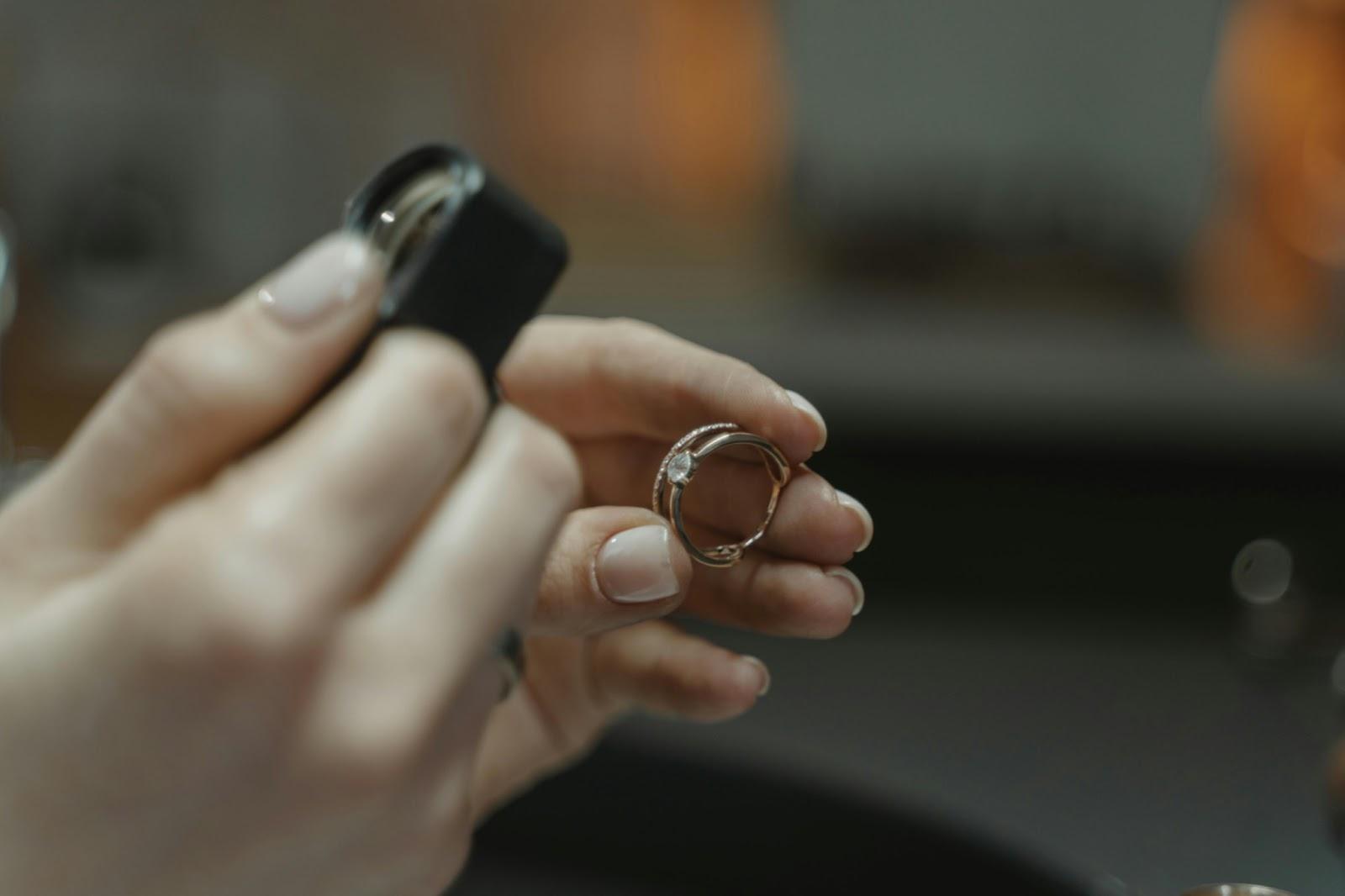
Birmingham has been named a World Craft City for jewellery, a title awarded by the World Crafts Council after a formal assessment of the city’s making culture. The decision places the Jewellery Quarter on a global register shared with centres such as Kyoto and Jaipur. It caps a bid led by the Jewellery Quarter Development Trust, with Birmingham City University and City Council among the co-applicants, and the Goldsmiths’ Company in support.
The award brings international attention to Birmingham’s heritage of craft and precision, a reputation built over centuries in the Jewellery Quarter. That same spirit of skill and calculated risk continues to resonate far beyond the workshops, shaping how traditions of focus and ambition are understood today. It shows in the way festivals are planned, in how small makers carve out their space, and in the choices businesses make when stepping onto bigger stages. The same instinct for timing and judgement carries into sport, where success often rests on a chain of results.
That link is easy to recognise in horse racing trebles, where three selections must all come good together. Guides highlight that daily tips are often made freely available, with selections posted early to give punters clear time to consider them. They also explain how combined odds are shown up front on a bet slip, making it easier to see the potential return from three linked results. Additional advantages can include Best Odds Guaranteed offers and free-bet promotions from licensed operators, which add further value to a winning line. For those following templegates treble today, these features set out the main benefits associated with this type of wager in a straightforward and factual way.
This balance of heritage and measured risk shows how different worlds often reflect one another, from local craft to organised sport. The shared thread is precision, where small margins and sound judgement decide the outcome. With that perspective set, the story of Birmingham’s own recognition moves naturally back to the workshops and institutions that gave rise to its global status.
The application went in during October 2024. An international judging panel returned in April 2025 to see the Quarter at work. Doors swung open. Benches alive with hands and tools. At the Assay Office, staff demonstrated hallmark testing, the process that underpins trust in UK jewellery. At the School of Jewellery, tutors guided students through stone setting and precious-metal techniques shaped by decades of local practice.
The status became official in early June 2025. It arrives with momentum behind fresh plans. Partners are developing a Birmingham Jewellery Biennial, aiming to draw makers, buyers and visitors to exhibitions, open studios, talks and heritage tours. The aim is simple. Show the work. Share the skills. Make the connections. Organisers believe the Quarter can host a programme with international pull while keeping the feel of an industry built on handwork and precision.
Industry figures point out the designation reflects scale as well as history. The Quarter supports hundreds of businesses and remains a core hub for UK production. Estimates suggest around two fifths of British jewellery is made here, while sector analysts note more than six hundred firms active across design, manufacturing, retail and allied trades. The economic footprint runs into hundreds of millions of pounds annually, reinforcing the case for further investment and training. Recent reporting puts the figure near £767 million a year and notes more than 600 businesses active in the district.
Education leaders are preparing to use the recognition to widen partnerships abroad. Exchanges and joint projects are being discussed, with the goal of bringing specialist skills into Birmingham and sending local expertise overseas. For graduates, the title acts as a shorthand understood by employers and galleries. For established makers, it can help when approaching new markets, adding weight to provenance claims and supply-chain credentials.
Civic voices frame the moment as part of a broader story. Birmingham has spent recent years refocusing on culture, independent business and craft. The World Craft City label folds neatly into that effort, linking historic strengths to present-day activity. It is also a tourism asset. Within a few streets, museum displays give way to live workshops. Steps later, shopfronts where pieces are finished as the world walks by.
For the Quarter’s community, the announcement feels earned rather than gifted. Skills have been passed across benches and between generations. Processes have adapted to new materials and tools without losing the detail that defines fine work. Recognition falls on a Quarter already in motion. On a city still making things built to last.