
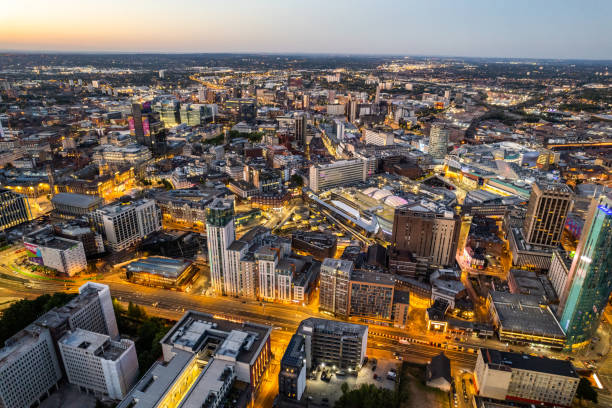
For much of the late twentieth century, Birmingham carried a reputation many found hard to shake; the post-war building boom filled the skyline with concrete, ring roads and stark tower blocks that made the city feel functional rather than beautiful. Visitors often passed through rather than staying, seeing it as a place of work instead of leisure. Today, that story feels out of date.
Birmingham has learned to turn its industrial past into something visitors actively seek out. When you explore the city now, you experience history in motion rather than history ignored. Former factories, canals, depots and workshops have become intimate, lively and surprisingly atmospheric attractions.
Today, tourism has grown from old infrastructure rather than polished reinvention, creating an experience that feels grounded, authentic and welcoming without pretending the industrial age never happened.
Canals as living reminders of working industry
Birmingham holds more miles of canal than Venice, where walking beside them gives you a powerful sense of how trade once touched every corner of the city. These waterways were carved to move coal, iron and manufactured goods efficiently between factories and workshops. When you stand along the towpaths today, you still see the muscular brick warehouses and iron bridges that made this network possible.
Gas Street Basin, once a commercial transport hub, now feels calm and social, with narrowboats resting alongside cafés and waterside bars. The transformation works because the original structures remain visible rather than being hidden behind modern facades. You can imagine the clatter of chains and the slow movement of cargo while enjoying the quieter pace of present-day life.
This contrast gives the canals their charm and makes them central to Birmingham’s developing tourism identity.
Industrial leisure and the social fabric of the city
Working-class leisure was an essential part of Birmingham’s factory culture, with some of those traditions continuing to influence the city’s visitor experience. One example appears in the continuing presence of bingo halls in Birmingham, highlighted in published research as being more numerous here than in many non-industrial regions. That research shows how this pattern repeats across other historic manufacturing cities such as London, Manchester and Liverpool, where shared workspaces created strong social habits.
In Birmingham, these venues reflect how industrial communities balanced hard labour with collective recreation. Younger visitors increasingly engage with these spaces, often drawn in by themed events, architectural nostalgia and a renewed appreciation for communal entertainment.
Ultimately, encounters with these halls reveal how a pastime tied to factory life has survived and adapted without losing its cultural weight.
Railways and steam heritage as tourism anchors
Railways once acted as Birmingham’s steel arteries, carrying raw materials in and finished products out at remarkable speed. Today, these routes and buildings have shifted from pure utility to heritage attractions. Tyseley Locomotive Works still restores and maintains historic steam engines, allowing visitors to stand close to the machines that powered an empire of manufacturing.
The Birmingham Railway Heritage Study Centre supports this story through detailed models, archives and displays showing how travel evolved alongside industry. When you visit these places, you feel the scale of engineering ambition that defined the city’s confidence in the nineteenth and early twentieth centuries.
Rather than hiding this legacy, Birmingham leans into it, letting you experience the scent of oil, the sound of metal and the visual drama of polished locomotives that still command respect.
Jewellery quarter and small-scale industrial craft
Heavy industry did not exist in isolation, with Birmingham’s identity as a place of precision work living on in the Jewellery Quarter. This area still produces a large share of the United Kingdom’s jewellery using methods refined across generations. Red-brick workshops line the streets much as they did in earlier centuries, with museums preserving working spaces exactly as craftsmen left them.
When you walk through these buildings, you see tiny vices, well-worn tools and benches shaped by long hours of skilled labour. The area now balances production with galleries, cafés and independent shops, yet the industrial heartbeat remains clear.
Tourism feels observed; you are stepping into real working backdrops that have simply widened their doors, letting industrial heritage become something you can comfortably explore.
Music, metal and creative reuse of old spaces
Birmingham’s musical story grew directly from the noise and pressure of factory life. Heavy metal emerged here as an outlet, with bands like Black Sabbath and Judas Priest taking inspiration from the industrial soundscape around them. Today, this link fuels a growing form of music tourism.
The Crown pub, now protected for its cultural significance, stands as a landmark where that sound first found an audience.
In areas like Digbeth, former warehouses and old manufacturing sites host clubs, art studios and live music venues. When you move through these districts, you see brickwork, steel beams and industrial proportions framing creative life rather than suppressing it. That balance keeps the city honest.
Undoubtedly, Birmingham celebrates how the pressure of industry created a cultural voice that people now travel to experience.
Final thoughts
Birmingham’s appeal now rests in how confidently it carries its past into the present without smoothing away the rough edges that gave it character. As you move through the city, old structures feel purposeful rather than forgotten, with history feeling close enough to touch instead of locked behind glass. The canals, railways, workshops and music venues show how industrial foundations can support modern creativity rather than restrict it.
Tourism here relies on honest storytelling told through brick, iron and lived experience. Today, you are invited to explore a city that understands where it came from and feels comfortable sharing that story. In doing so, Birmingham offers something rare: a destination shaped by work, resilience and cultural evolution, still alive in every street.
Ergo, you leave with the sense that Birmingham is quietly proving that its industrial soul remains its greatest strength.