
https://images.pexels.com/photos/69903/pexels-photo-69903.jpeg
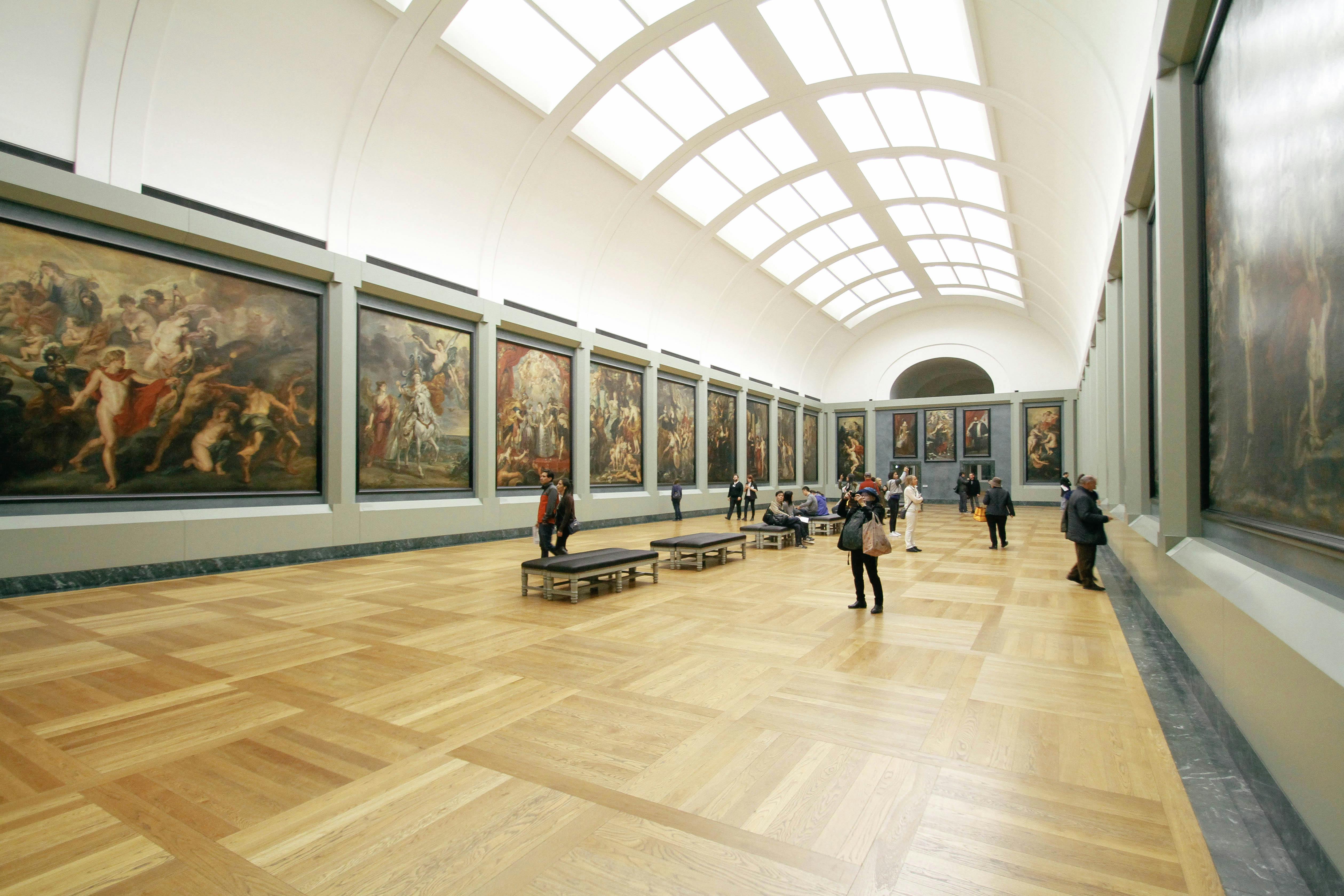
Art has become a huge asset over the years. Many enthusiasts buy decorative paintings for their homes or even invest in them to get returns. The United Kingdom art market, in particular, is a global success story. As stated in The Art Newspaper, Britain had a 17% hold on the global art market in 2023. It was the third-highest holder with aggregated sales of $10.9 billion.
The art market, with its high-value transactions, presents a unique and increasingly concerning vulnerability to money laundering activities. This article delves into the complexities of how criminals use it to do money laundering. We will also discuss how artists and businesses in this industry can combat them.
The Art Market’s Vulnerability to Financial Crimes
The art market has long attracted collectors, investors, and enthusiasts. However, its opacity also makes it a prime target for money laundering. Identifying the actual buyer or seller can be challenging, as transactions are often conducted through private sales and intermediaries.
The lack of stringent regulations has allowed criminals to exploit this industry, using art to move illicit funds across borders. Many UK art businesses have even been fined for money laundering compliance failures. The penalties were as high as £13,000 until 2023, and most were for failing to register with HM Revenue & Customs (HMRC).
One reason for this vulnerability is the subjective nature of art valuation. Unlike assets such as real estate or stocks, the value of an artwork can fluctuate significantly based on factors like market trends and provenance. This flexibility provides opportunities for criminals to manipulate prices, overpaying for pieces to legitimize illegally acquired funds.
Strengthening Regulations and Due Diligence
Governments and financial institutions have recognized the need to strengthen regulations in the art market. Efforts are being made to introduce stricter due diligence requirements, ensuring that dealers, auction houses, and galleries verify the identities of their clients.
The use of identity verification has become an essential step in reducing anonymity in transactions. By requiring buyers and sellers to provide official documentation, businesses can better assess risks and detect suspicious activity.
Businesses can use an identity verification service to comply with this regulation. With the right identity verification software, companies can identify fraudulent transaction patterns. This can add a layer of security and help businesses determine whether to proceed with the transaction.
According to AU10TIX, artists or art companies should ensure this process doesn’t impair customer experience. One way to do this is by finding and implementing the right service that can complete verification quickly yet accurately.
Beyond identity verification, regulatory bodies push for greater financial reporting transparency. Some jurisdictions have already implemented measures requiring high-value art transactions to be reported to monetary authorities. These efforts mirror anti-money laundering policies in banking and real estate, industries that have faced similar concerns regarding illicit financial flows.
The Role of Art Institutions and Market Participants
Auction houses, galleries, and private dealers are key in combating money laundering. Many leading institutions have started implementing internal compliance programs, requiring their staff to conduct background checks on clients and flag any irregularities. These measures protect the integrity of the business and help prevent the industry from being used as a tool for financial crimes.
The art world is also seeing increased collaboration with law enforcement agencies. By sharing information about suspicious transactions and questionable buyers, institutions can assist authorities in tracking illicit funds. Additionally, industry organizations are working on establishing best practices for dealers and collectors, encouraging ethical business conduct.
Emerging Technologies and Their Impact
Technology is increasingly enhancing transparency in the art market. Blockchain technology, for example, offers a way to create secure and immutable ownership records, making it harder for criminals to manipulate provenance. Digital ledgers can store transaction histories and ensure an artwork’s sale can be traced back to its legitimate owner.
Artificial intelligence is also being used to analyze market trends and detect suspicious pricing patterns. Machine learning algorithms can identify discrepancies in valuations and flag potential cases of price manipulation. As these technologies become more widespread, they could serve as valuable tools in identifying and preventing fraudulent activities.
Frequently Asked Questions
How does money laundering through art differ from other types of financial crimes?
Money laundering through art is unique because the market relies on subjective valuations and private transactions. Unlike traditional money laundering methods, which often involve financial institutions, criminals use art to disguise illicit funds. This is done by exploiting the difficulty of tracking ownership, pricing, and provenance.
Why do criminals prefer using art for money laundering?
Criminals favor the art market due to its lack of stringent oversight and the ease of conducting high-value transactions anonymously. Moreover, artwork can be easily moved across borders without triggering the same scrutiny as financial transactions. Additionally, the fluctuating nature of art prices allows them to artificially inflate values to launder money efficiently.
Can digital art and NFTs also be used for money laundering?
Yes, digital art and non-fungible tokens (NFTs) present new challenges in preventing financial crimes. The decentralized nature of blockchain-based assets allows criminals to transfer large sums of money under the guise of legitimate art purchases. Some NFTs have been used in wash trading, where the same person buys and sells an asset to create the illusion of demand.
Moving Toward a More Transparent Market
While the art market has long operated with a level of secrecy, there is growing momentum toward greater transparency and accountability. Governments, financial institutions, and industry stakeholders are recognizing the risks associated with unchecked transactions and are working toward more robust regulatory frameworks.
Cooperation is essential for these efforts to be effective. Businesses must embrace compliance measures, collectors should remain aware of ethical considerations, and authorities must continue refining regulations. By addressing these challenges head-on, the industry can maintain its integrity while closing the loopholes that have allowed money laundering to persist.