
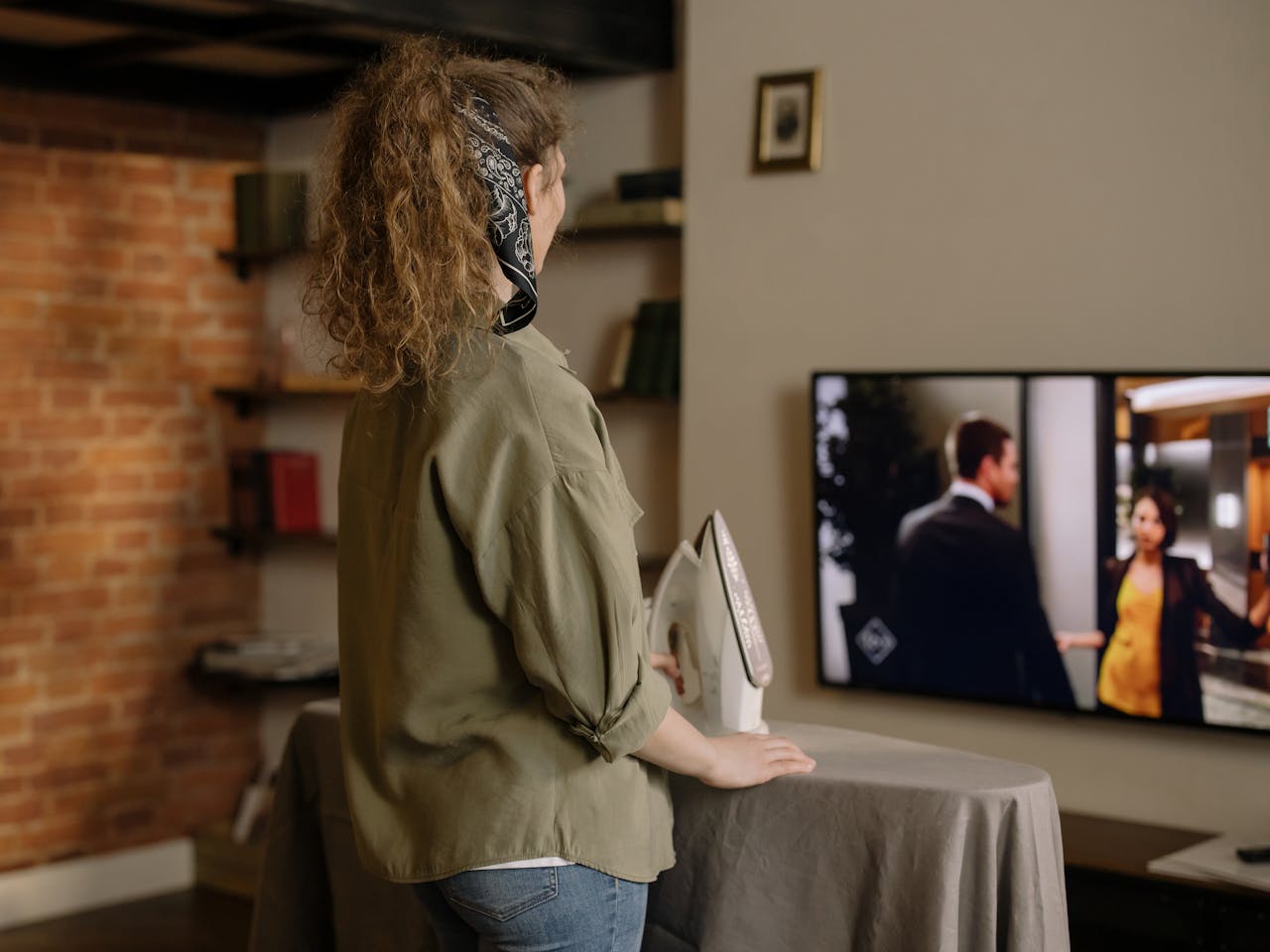
Photo by cottonbro studio
Introduction
Gone are the days when there was only one kind of face you would see on your TV screens. It has taken society years to reach a point of diversity in TV. Nowadays, diversity and inclusion have become a critical element of story-telling in both TV and film. However, this is a result of years of campaigning for diverse media representation. This post will explore how far society has come in terms of promoting media representation and the driving forces for progress.
The history of diversity in TV
Traditionally, media representation was unheard of. TV and movies often excluded marginalized groups as well as minorities from the screens. At the beginning, there were completely no roles given to minorities and marginalized groups. After a while, a trend of casting minorities in the smaller roles became the norm. However, even during this time, most of the characters given to minorities were based on stereotypes and the representation did not seem natural. In fact, it felt forced and very minimal.
Over time, thanks to social movements and the works of activism, things changed. Today, TVs and movies are showing more representation. Global audiences demand for representation, resulting in streaming platforms requiring producers and filmmakers to heed to the demands of the audiences. This has resulted in the creation of millions of shows and movies with better representation.
The importance of diversity in TV
Social movements and activists have fought hard for diversity in TV. One of the primary driving factors for this fight is the need for audiences to feel represented in the content that they consume. Diversity in TV allows audiences to relate with movies and films. Audiences feel like their experiences are real, they are seen, and get entertained better when they see characters that resemble them.
It also helps story tellers tell their stories more accurately. For instance, a movie based on history can only be told well if all people that participated in the events are well represented in the film. Diversity in TV also helps stories reflect and represent the hundreds of cultures and cultural experiences in the world.
Inclusivity helps build a better understanding of the different cultures and experiences in the world, while breaking stereotypes, and promoting empathy.
Is the progress real?
As mentioned earlier, the entertainment industry has made significant strides when it comes to promoting diversity so far. In around a decade or so, the achievements below have been made in this regard:
- Representation in casting – More shows and movies have cast minorities and marginalized groups. For instance, more than half of the shows and films that are produced nowadays feature actors of colour, different disabilities, nationalities, and even LGBTQ+ performers. They are not just cast in minor roles anymore. They get leading roles in big productions.
- Diverse storylines – Film makers have also taken a more diverse approach to story-telling. Stories about different cultures have become very popular in the entertainment sector.
- Diversity behind the camera – In addition to diversity in terms of the faces that appear on the screens, the entertainment sector has also adopted diversity behind the scenes. There is more representation in terms of writers, producers, support characters, crews, directors, and other people that help shape the way stories are told.
Conclusion
Diversity in TV is not only beneficial to the audiences, it also affects the people behind creating shows and movies that audiences consume. Studies strongly suggest that diverse movies and shows often perform better than their counterparts, especially in the current social and political climate. They attract larger audiences and in return make more money. Also, they receive more recognition and even awards. While there is real progress already, more can always be done in the future, especially in terms of promoting diversity behind the scenes.
https://journotalk.com/the-rise-of-diversity-and-inclusion-in-tv-and-film/ https://www.forbes.com/sites/drdarnellhuntanddranachristinaramon/2023/11/09/tv-viewers-favor-shows-with-diverse-casts-and-authentic-storylines/ https://variety.com/2021/tv/news/representation-high-inaccurate-diversity-nielsen-1235129378/ https://blog.me-qr.com/social-environmental-issues/social-justice/representation-and-diversity-on-tv-progress-challenges-and-impact