
Casinos are built on mathematical and psychological principles that make the games appealing while keeping the house in profit. Gamblers routinely walk into a casino hoping to leave wealthier, but few grasp the framework that underlies each table and machine. Sites such as oscar spin illustrate how classic formats appear online, showing how digital access mirrors land-based play. This article discusses how odds work, what strategies can enhance decision-making, and what secrets underlie the creation of the casino atmosphere.
The Mathematics of Casino Games
All casino games contain a built-in statistical advantage for the house, which is referred to as the house edge. This percentage ensures that, over time, the operator takes in more than it pays out. An individual can win in the short term, but the system is weighted in favor of the house over millions of wagers.
Average house edge for selected games:
Understanding these figures clarifies why some games allow more skill influence than others. Blackjack and poker, for example, can reward preparation, while slots and roulette rely almost entirely on random outcomes.
Slot Machines and Random Number Generators
Slots occupy more floor space than any other game, both in land-based and online casinos. They make their popularity in the form of colorful graphics, fast play, and the potential for large payoffs. In the background, random number generators (RNGs) determine outcomes.
- Spins are independent and not determined by previous results.
- Return-to-player (RTP) percentages define long-term payout potential, which often ranges between 85% and 97%.
- Progressive jackpots reduce standard payouts, as a percentage of every bet adds to the growing prize pool.
Slot strategies involve bankroll management rather than influencing results. Reading paytables, choosing machines with higher RTP, and setting firm limits extend playing time without creating an illusion of control.
Blackjack: A Balance of Chance and Strategy
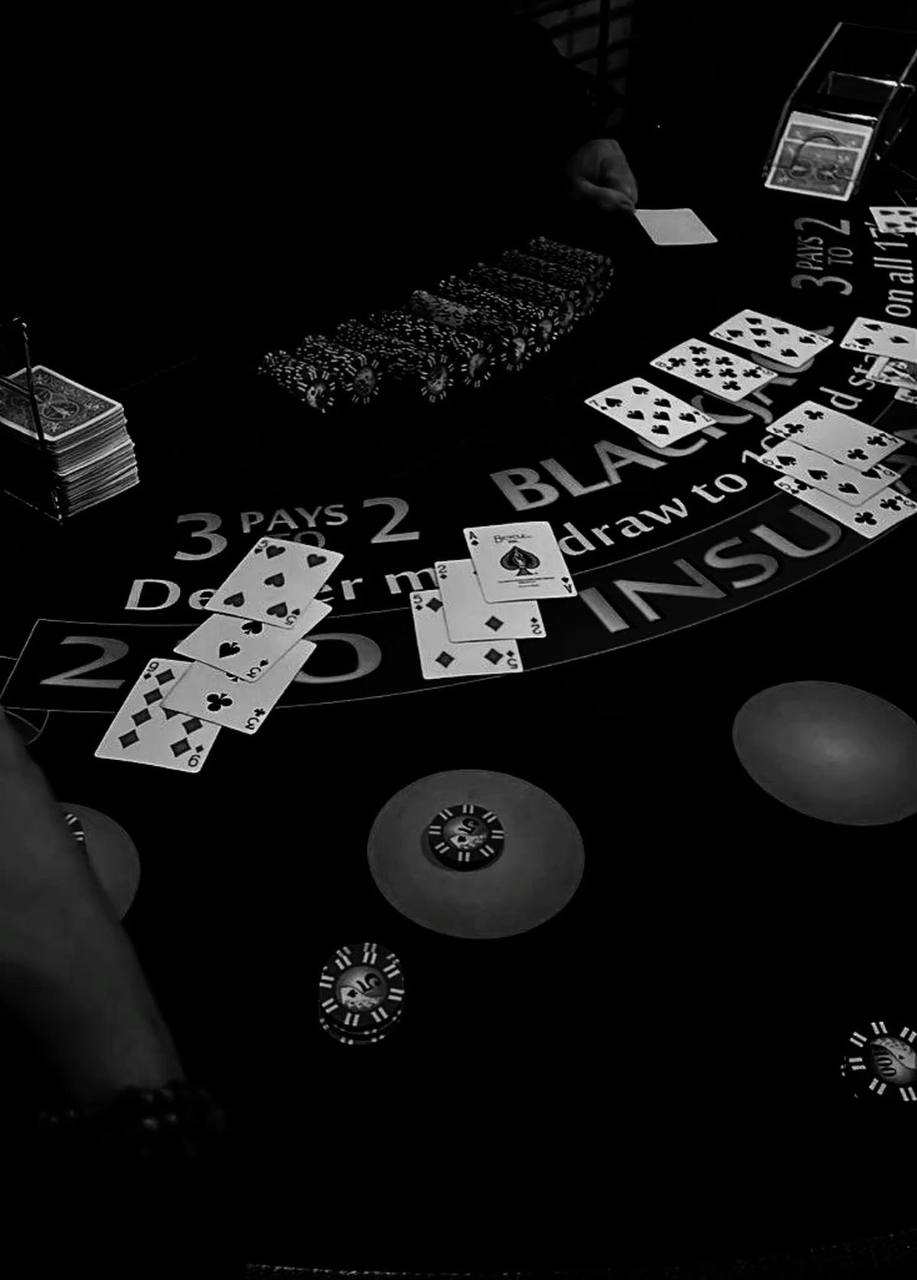
Blackjack offers one of the lowest house edges, but only if the player employs basic strategy consistently. This method dictates the best play for every hand playable in terms of probability.
Winning blackjack highlights include:
- Reciting or consulting strategy charts to make statistically correct decisions.
- Staying away from side bets, which have high house edges.
- Employing bankroll management to weather unavoidable fluctuations.
Card counting can further reduce the house edge by tracking high and low cards. While not illegal but disapproved of by casinos, players who get caught are likely to be asked to leave. Even without counting, proper strategy can significantly enhance a player’s expected return.
Roulette and the Allure of Simplicity
Roulette remains attractive because it is easy. Players place bets on number, color, or range and await the destination of the ball. Yet the design of the game gives the house advantage the green zero.
More tactical approaches include:
- Choosing European wheels over American where available, as the single zero lowers the edge.
- Favoring outside bets (red/black, odd/even, high/low) for more consistent returns.
- Discounting progression systems such as Martingale, which can drain a bankroll after consecutive losses.
Roulette demonstrates the importance of understanding probability: each spin is independent, and no system changes the built-in edge.
Craps: A Fast but Misunderstood Game
Craps tables can be daunting due to the large number of bets. However, the basic options are straightforward and reasonably fair.
Recommended bets:
- Pass line, don’t pass, and come bets with low house edges.
- Full odds bets, which have exactly zero house advantage.
- Stay away from the proposition bets in the center of the table, most of which carry more than a 10% house edge.
Sticking to the simple bets enables people to enjoy craps without exposing themselves to more risk than necessary.
Poker: A Competition with Other Players
Poker differs from house games in that the casino profits by taking a rake from every pot rather than through an inherent advantage. This makes skill the overriding determinant of outcomes.
Successful poker includes:
- Disciplined starting hands and position awareness.
- Attunement to opponents’ betting patterns.
- Patience to fold bad hands rather than chasing negative odds.
- Emotional control to avoid tilt, frustration-driven reckless wagering.
Unlike slots or roulette, poker allows skilled players to be profitable in the long term consistently.
Bankroll Management
The optimal strategy is worthless without sound financial discipline. Bankroll management makes play sustainable and enjoyable.
Rules are:
- Separating gambling funds from living expenses.
- Dividing the bankroll into session-sized amounts.
- Setting strict win and loss limits prior to playing at a table or machine.
- Leaving when limits are exceeded.
Discipline reduces the possibility of chasing losses and keeps the experience within safe limits.
The Psychology Involved in Casinos
Casinos are not only founded on mathematics but also on design aspects that influence behavior. These aspects include:
- Bright lights and constant sounds that encourage stimulation.
- The absence of windows and clocks, which encourages longer play.
- Comfortable seating and free drinks, which keep players engaged.
Knowledge of these methods allows players to remain cautious and not spend excessively.
Common Misconceptions
Several myths continue to influence gambling behavior:
- “Machines are due for a payout.” In fact, every spin is random.
- “Betting systems guarantee profit.” No system alters the house edge.
- “Luck runs in streaks.” Outcomes always remain independent.
- “Casinos adjust payouts by time of day.” Licensed games follow strict mathematical principles.
Letting go of these misconceptions prevents costly mistakes.
Online Casinos and Constant Access
Online growth has made gambling more accessible than ever. Slots, table games, and live dealer games are all accessible without leaving the house.
Things to consider when playing online:
- Game details usually include RTP percentages.
- Faster play speed can equate to quicker losses.
- Bonuses can offer value but generally have complex terms.
- Being always available makes self-discipline increasingly necessary.
The convenience of online gambling requires even greater responsibility.
Responsible Play
Responsible gaming prevents the hobby from being a financial burden rather than enjoyment. Basic precautions include:
- Tracking time and funds spent.
- Making use of tools available such as deposit limits or temporary exclusions.
- Seeking professional intervention if gambling begins to impact daily life.
The focus must be entertainment, with winnings as a bonus and not an expectation.
Final Thoughts
Casinos operate on solid mathematical principles and calculated psychological design. While chance governs each individual outcome, a grasp of house edge, sound strategy, and money management can stretch a player’s experience.
Slots approximate pure chance. Blackjack rewards preparation and decision-making. Roulette and craps offer simple entertainment, but probability governs their result. Poker differs because it is a contest of skill between individuals.
Victory can never be guaranteed, but informed decision-making allows players to control risk, extend play, and use gambling as a managed means of entertainment rather than as a source of revenue.