
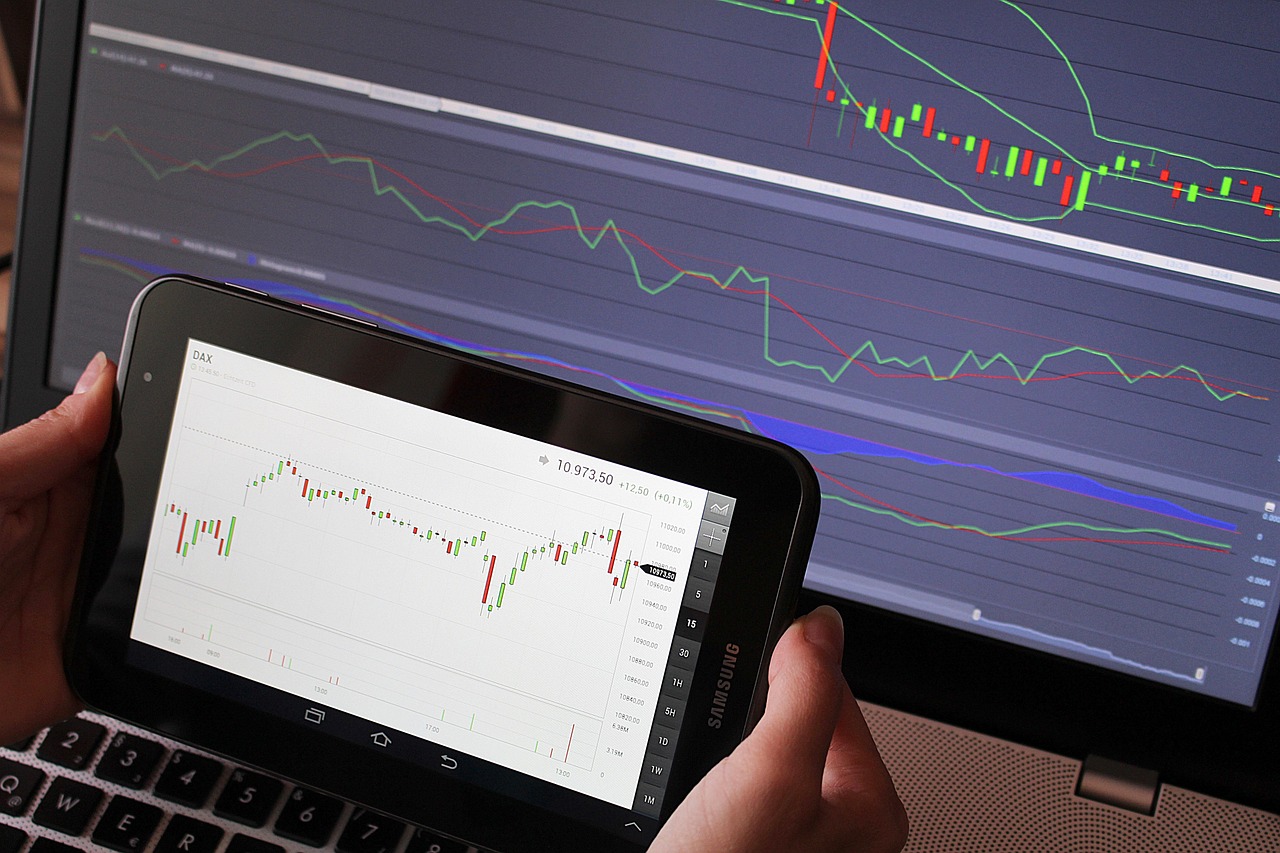
Image by Csaba Nagy from Pixabay
Forex trading is one of the most active financial markets in the world, with trillions of dollars exchanged daily. While the market offers opportunity, it also carries significant risk. Currency prices can move quickly due to economic announcements, geopolitical developments or shifts in investor sentiment. For that reason, managing risk is not optional – it is essential.
Understanding how to control potential losses and protect your trading capital is what separates disciplined traders from those who struggle. Below is a practical guide to managing risk when trading forex in a responsible and structured way.
Understand the Nature of Forex Risk
Before placing any trade, it is important to understand what makes the forex market volatile.
Market Sensitivity to News
Currencies react sharply to economic data such as:
- Interest rate decisions
- Inflation reports
- Employment figures
- GDP releases
For example, if the Bank of England unexpectedly raises interest rates, the pound may strengthen rapidly. Traders on the wrong side of that move can experience losses within seconds.
Leverage Amplifies Exposure
Forex trading typically involves leverage. This allows traders to control larger positions with a smaller deposit. While leverage can increase potential returns, it also magnifies losses. A small price movement can have a large impact on your account balance.
Use Position Sizing Correctly
Position sizing is one of the most effective risk management tools.
Risk a Small Percentage Per Trade
Many experienced traders risk only 1–2% of their account balance on a single trade. For example, if you have £5,000 in your trading account and risk 1%, your maximum acceptable loss per trade would be £50.
This approach ensures that even a series of losing trades does not severely damage your capital.
Avoid Overexposure
Opening multiple trades on correlated currency pairs can increase overall risk. For instance, trading both EUR/USD and GBP/USD in the same direction effectively increases exposure to US dollar movements.
Always Use Stop-Loss Orders
A stop-loss order automatically closes a position when price reaches a predefined level.
Why Stop-Losses Matter
Without a stop-loss, losses can grow quickly if the market moves against you. A stop-loss helps define risk before entering the trade.
For example:
- Entry price: 1.2500
- Stop-loss: 1.2450
This limits potential loss to 50 pips.
Place Stops Based on Logic, Not Emotion
Stop-loss levels should be based on technical analysis or market structure, not on how much you are “willing to lose”. Placing stops too close to entry can result in being stopped out by normal market fluctuations.
Monitor Economic Events
Economic calendars are essential tools for forex traders.
Prepare for High-Impact Announcements
Major events such as central bank meetings or US Non-Farm Payroll data often cause sharp volatility. If you prefer lower risk, consider reducing position size or avoiding trading during these periods.
Being aware of scheduled announcements prevents unexpected surprises.
Choose a Regulated Broker
Risk management begins even before you place a trade.
Regulatory Protection
In the UK, trading with FCA-regulated firms ensures client funds are segregated and held securely. Brokers such as FxPro operate under regulatory oversight, which provides an additional layer of protection for retail traders.
Platform Stability
Reliable execution and stable platforms reduce operational risk. Slippage and delays can increase losses during volatile market conditions.
Use Technology to Support Risk Control
Modern trading platforms include built-in risk management tools.
Trading Apps and Risk Tools
MetaTrader 5 is a great trading app that provides features such as:
- Stop-loss and take-profit settings
- Real-time chart analysis
- Risk calculation tools
- Multiple timeframe analysis
These tools help traders plan trades more precisely rather than acting impulsively.
Control Emotional Trading
Psychology plays a major role in risk management.
Avoid Revenge Trading
After a losing trade, some traders immediately open another position to recover losses. This often increases risk and leads to further mistakes.
Stick to a Trading Plan
A written trading plan should include:
- Entry criteria
- Exit criteria
- Maximum daily loss limits
- Position sizing rules
Following predefined rules reduces emotional decision-making.
Diversify Thoughtfully
While forex focuses on currency pairs, diversification within the forex market can reduce risk concentration.
Avoid Concentrating on One Currency
If all your trades involve the same base currency, you are vulnerable to sudden economic announcements affecting that country.
Spreading trades across different currencies – when supported by analysis – can reduce concentrated exposure.
Review and Learn From Performance
Risk management is an ongoing process.
Keep a Trading Journal
Recording:
- Entry and exit levels
- Reason for the trade
- Risk amount
- Outcome
helps identify patterns in both successful and unsuccessful trades.
Adjust Strategy When Necessary
If you consistently exceed your risk limits or experience large drawdowns, reassess your strategy and risk parameters.
Final Thoughts
Managing risk when trading forex is about preparation, discipline and realistic expectations. The market is influenced by economic data, political developments and global events, making volatility unavoidable.
By controlling position size, using stop-loss orders, staying informed about economic events and maintaining emotional discipline, traders can reduce unnecessary exposure. Choosing regulated brokers and reliable platforms further strengthens overall risk management.
Forex trading involves genuine financial risk, and capital protection should always come before profit goals. A structured and cautious approach allows traders to navigate the market more responsibly and sustainably over time.