

If you love wearing wigs but don’t want to compromise on the health of your edges than congrats, you have your priorities straight. Your edges are the most delicate part of your hair, and protecting them should always be your priority.
This guide will walk you through simple yet effective ways to protect your edges while still enjoying your favourite wigs. We will keep things beginner friendly practical, and easy to follow.
Why Do Edges Matter?
Edges are the fine, soft hair that sits along your hairline, and even though they are shorter than the rest of the hair, they are a sign of healthy, beautiful hair. Not to mention, edges are the natural face framing system that should be preserved.
Because of their delicate structure edges can be easily damaged during styling, especially when wearing wigs. Even small amounts of tension or friction can lead to damage to your edges over time.
Start with Gentle Preparation
Everything begins with preparations, and wearing a wig is no exception. Preparing your natural hair under the wig doesn’t mean you have to go with tight braids because braids can place a lot of tension on your edges. This constant tension from braids can lead to stress on the hairline, which is something you want to avoid completely.
There are gentler ways to create a flat base for your wig, which include:
- Braiding hair in a way that distributes tension evenly
- Avoiding braids that pull hair in one direction
- Keep your edges relaxed and avoid braiding them tightly
Seasoned wig wearers prefer switching braid patterns or using less tighter variations of braids to reduce edge strain. The goal is to keep the pressure on your natural hair as little as possible while keeping the base flat.
Always Position Your Wig Correctly
Wig placement plays a major role in how much stress your edges have to bear. If your wig is not positioned correctly, it can create unnecessary friction and irritation. Placing a wig directly on the edges is never a good idea. But at the same time, you can’t place the wig too far back either because it may lead to product being applied to your edges, and they will still feel the pull from the wig. To avoid both of these mistakes, it is best to take time when aligning your wig with your natural hair.
A helpful approach would be to:
- Position the wig slightly in front of your edges instead of directly on them
- Trim the lace with precision to ensure a more accurate fit
These simple adjustments help reduce friction and support better scalp comfort.
Choose the Right Methods to Secure Your Wig
The way you secure your wig will have a direct relationship with your edge health. Modern wigs offer several secure and reliable securing methods that eliminate the need for glue because you wouldn’t want to use any adhesives if you care about hair health. Glueless wig brands offer various stress free methods to secure your wig without putting your edges at risk. Here are some of the safest options for securing your wig:
- Wig grip bands that hold the wig in place without glue or tension because they distribute pressure around the head instead of securing to the hair directly
- Elastic bands that provide a secure and gentle fit
- Adjustable straps that allow quick and comfortable adjustments
- Clips and combs that can be installed away from the edges
We are sure you get the picture already the goal is to secure your wig without pulling on your edges. And all these methods offer gentle support to your wig and work better than tight tension.
Adding an Extra Layer Under Your Wig
You can never be too careful when it comes to edge protection. While modern glueless wigs are designed to be worn while keeping your natural hair stress free you can add a protective barrier between your wig and natural hair to further reduce the risk of hair damage.
A simple wig cap and silk wraps are effective solutions for creating an extra layer between your wig and hair. They help keep your hair in place while also reducing friction between the wig and your edges.
By creating a smoother base a wig cap or silk wrap makes wearing the wig more comfortable ideal for those who wear the all day long.
Make Sure Your Wig Fits Comfortably
A well fitted wig is essential for both comfort and protection. Look for wigs that offer adjustable features so you can customize the fit. Similarly, getting a wig size that matches your head size makes sure you aren’t adding unnecessary pressure to your hairline and affect your scalp.
A good wig should feel secure without causing any pulling and discomfort.
A Smarter Choice for Edge Protection
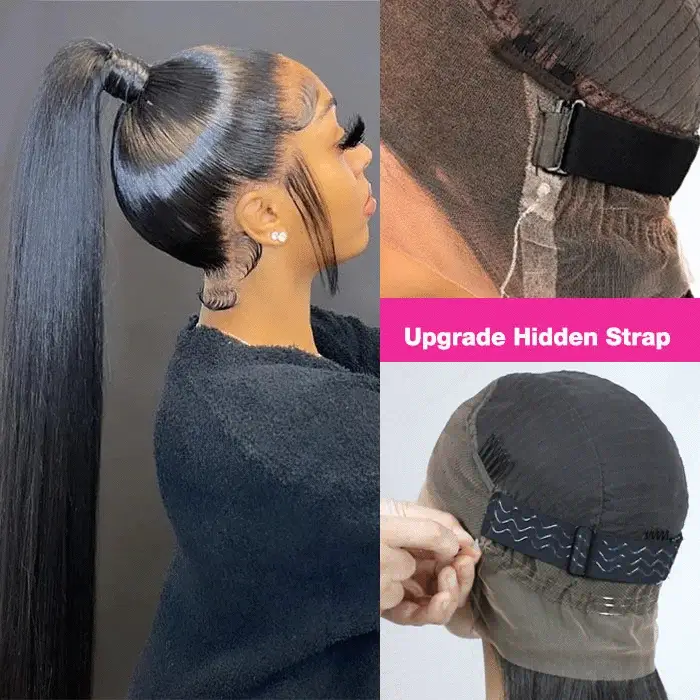
Choosing the right wig type can make protecting your edges a lot easier. Some wig constructions are designed to reduce tension and improve overall comfort, and 360 lace wigs by Cynosure Hair are one of those specialized wigs. These wigs have lace around the entire crown of the head and this design helps distribute tension more evenly reducing pressure on edges.
Some additional features of 360 lace wigs include:
- Breathability and lightweight for an easy wearing experience
- A natural look from all angles
- Invisible strap can secure wig without glue or gel
- Makes ponytails and high buns possible due to realistic lace around the hairline
The large and soft HD lace improves airflow and keeps your scalp comfortable especially in warmer conditions. If you are looking for a versatile and natural human hair wig that is edge safe then a 360 lace glueless wig is the way to go.
Conclusion
Wearing wigs does not mean you have to give up on your hair health. With the right preparation and by choosing the right wigs you can protect your hairline while enjoying your favourite looks and styles.
With some care and consistency you can keep your edges healthy, full, and protected while making the most of every wig style.