
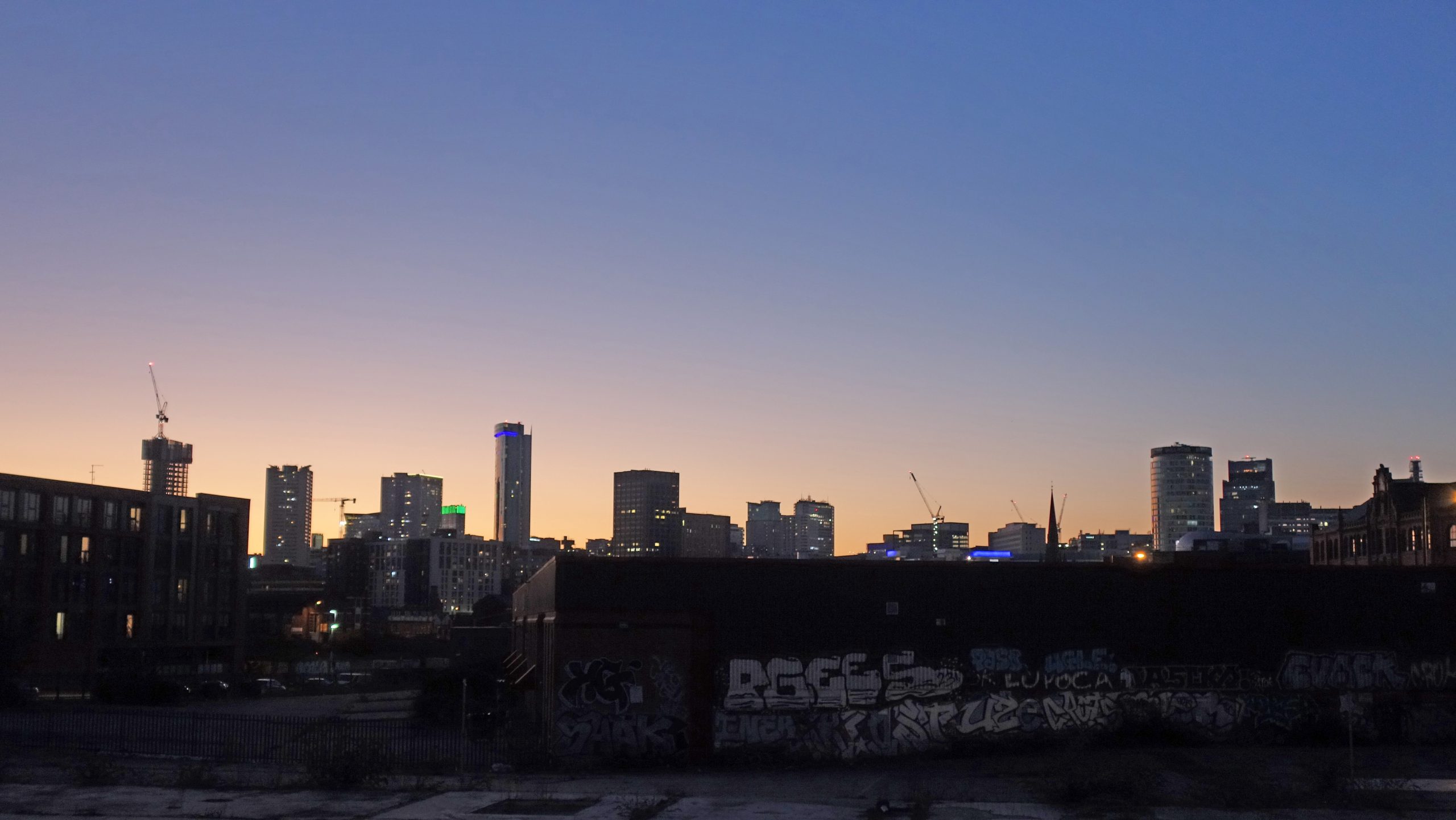
A new photo exhibition launches this week in Birmingham as a reminder of the impact of dehumanisation and how this led to some of the worst atrocities since World War II in Srebrenica 30 years ago.
The photographs will be displayed as part of Islamophobia awareness month as a stark reminder that prejudice and hatred can be the seed for some of the worst war crimes.
Testimonies and photographs of survivors of the massacre in Bosnia, were taken by award winning photojournalist Alix Fazzina in May of this year and will be on display at sites around Birmingham – a city with a large Bosnian diaspora.
The survivors of the massacre, who continue to receive support from Islamic Relief, shared stories of the inherited trauma and scars that continue to run deep in Bosnia to this day.
The exhibition, which is open to the public, will be displayed at:
St Alphege’s Church, Solihull on 10th to 18th November
Honorary Consulate of Bosnia And Herzegovina, on 21st November
Bosnian Cultural Centre Midlands on 22nd to 24th November
Islamic Relief Worldwide, Rea Street on 28th November to 5th December
There will also be a special commemorative service at St Alphege Church on the 15th November from 11:00am to 12:30pm.
On 11th July 1995, Bosnian Serb soldiers captured the town of Srebrenica in eastern Bosnia and Herzegovina. Over the following days soldiers systematically murdered more than 8,000 Bosniak Muslim men and boys.
It was the largest massacre carried out on European soil since World War II, and one of dozens of similar massacres committed by Bosnian Serb forces as they carried out their ethnic cleansing campaigns during the Bosnian War.
Islamic Relief was one of the first international organisations to deliver humanitarian aid and emergency relief during the Bosnia war. It is the only NGO to have continuously been providing assistance to families in Srebrenica for the past 30 years.
Shahin Ashraf, Head of Global Advocacy for Islamic Relief said: “Islamophobia awareness month is a time to be reminded of how prejudice, fear and hatred can lead to suffering on an unimaginable scale. What we saw happen 30 years ago in Srebrenica was one of the worst crimes against humanity and it all began with seeing others as subhuman.
“Islamophobia is on the rise everywhere and that hatred and misunderstanding needs to stop. Politicians and leaders have a greater responsibility to not spread misinformation in attempt to score political points at the expense of the hatred of others, be it Muslims or immigrants. Words can be triggers to dangerous acts and Muslims across the UK are feeling less safe in the current climate.”
According to a poll conducted in May by Islamic Relief UK and Survation, a staggering 60% of Muslims in the UK say they experienced a rise in Islamophobia over the last year. An alarming 30% of Muslims surveyed say they don’t feel safe going out at night and nearly a quarter (24%) are going out less due to Islamophobia. Among Muslim women, 46% report feeling less safe over the past year due to Islamophobia.
About Islamic Relief
Islamic Relief is a faith-inspired, development and humanitarian agency working to transform and save the lives of some of the most vulnerable people in over 40 countries. Islamic Relief assists people according to need and does not discriminate in any way.
Set up in Birmingham in 1984 by a group of volunteers, we have assisted over 117 million people all over the world. We’re saving lives and empowering people to lift themselves out of poverty in over 40 countries – from Bangladesh to Bosnia, Pakistan to Palestine, Kenya to Kosovo. Islamic Relief is on the ground in some of the world’s most dangerous and difficult places – including Syria and Yemen – strengthening the most marginalised communities to withstand conflict and natural disasters and to build a brighter future. We also support vulnerable people in the UK in partnership with local charities and organisations.
Survation polling
The findings of the survey can be found here: https://cdn.survation.com/wp-content/uploads/2025/04/23131809/Survation-Islamic-Relief-Survey-Tables-April-2025.xlsx
Methodology: Online interviews of male and female Muslim UK residents aged 18+ across the country
Fieldwork: 16th – 20th March 2025