
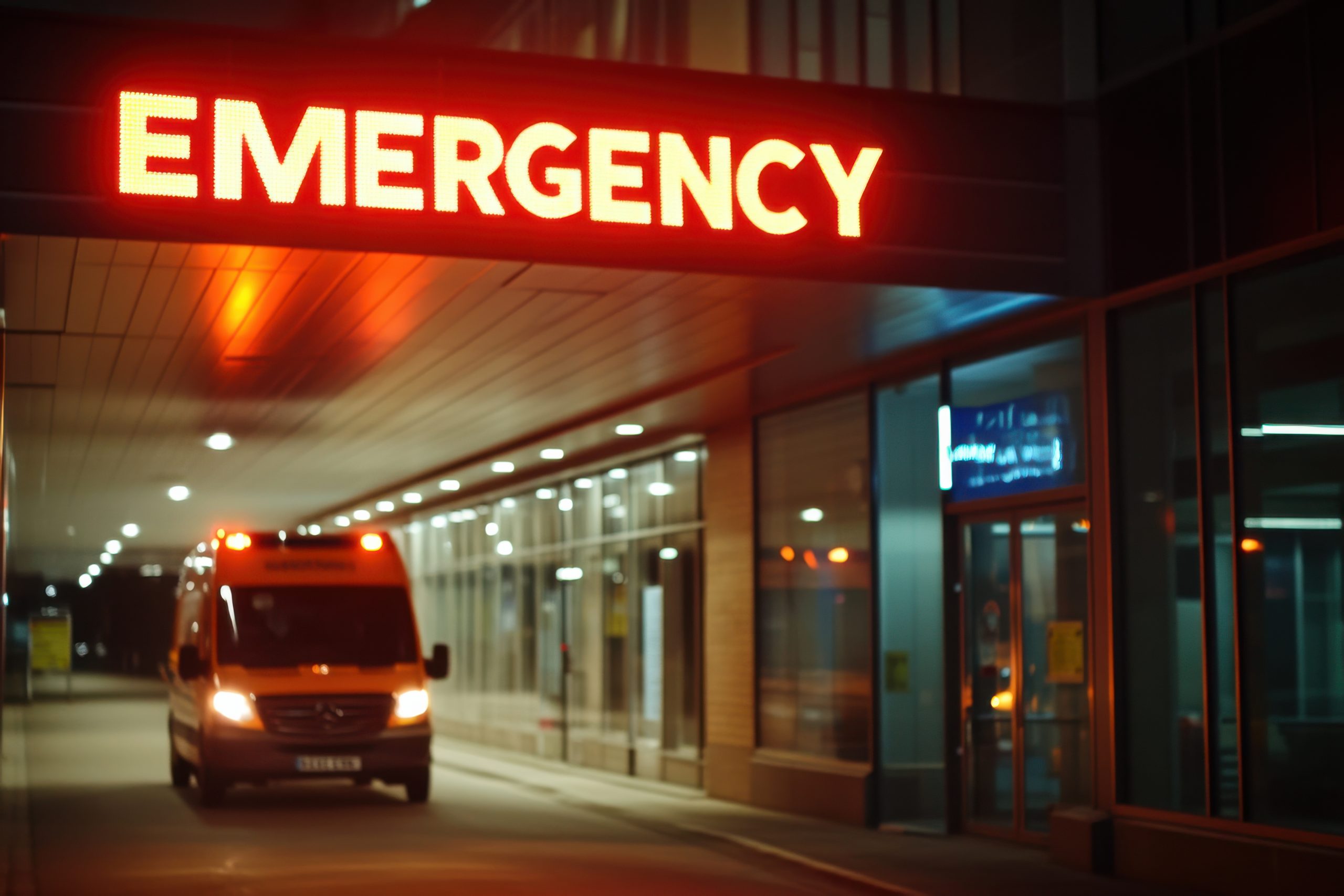
Few things bring more worry than seeing your child in pain or distress. Deciding if it’s time to go to the emergency room can feel overwhelming, especially when the signs aren’t clear. While many illnesses or injuries may improve with home care, some need immediate medical attention. Knowing which symptoms to watch for helps you act quickly and with confidence. Families often turn to a hospital or medical center when situations feel uncertain and urgent.
Trusting Your Gut as a Parent
You know your child better than anyone else. Suppose something feels wrong, even if you can’t explain why, don’t ignore that instinct. Sudden changes like unusual fatigue, refusal to eat, or behavior that feels off may signal a deeper issue. Your intuition plays an important role in deciding if it’s safe to wait or time to go to the ER.
Having access to trusted pediatric care gives you support in those moments of uncertainty. If you live in Idaho, providers like https://just4kidshealth.com/ offer specialized pediatric emergency care to guide families through difficult decisions. A healthcare professional may help you understand whether symptoms should be monitored at home or treated as an emergency.
If you’re wondering what kinds of emergencies should take you straight to the ER, the signs are often clear. Some situations call for fast action to keep your child safe, and knowing them ahead of time makes it easier to respond calmly. Below are the most common reasons parents may need to head to the ER right away.
1. Trouble Breathing
Breathing difficulties are always a serious concern. Signs such as wheezing, gasping, or fast, shallow breaths should not be ignored. If you notice your child’s chest muscles straining or their lips turning bluish, those are clear warning signals. Breathing struggles may worsen quickly and need urgent care.
Asthma, allergic reactions, or infections are some of the common causes. Even if prescribed inhalers or medications bring some relief, symptoms may return or escalate. Children tire easily when struggling to breathe, which makes early treatment critical.
At the ER, doctors may use oxygen, nebulizer treatments, or advanced emergency medicine to stabilize breathing. These interventions are not always available at home or in urgent care settings. That is why it’s important to respond right away when you see the signs.
2. High Fever
Fever is often the body’s way of fighting off infection, but very high temperatures need careful attention. A reading above 104°F in older children should be taken seriously. For babies under three months, any fever at all requires immediate evaluation. Young infants may not show obvious symptoms so that a high temperature could be the only clue.
Behavior matters as much as the number on the thermometer. If your child seems confused, constantly vomits, or has a stiff neck, don’t wait to seek help. Extreme drowsiness or difficulty waking up are also signs of concern. These symptoms may suggest a serious infection or condition that cannot wait.
ER doctors can check for causes like viral illness, bacterial sinusitis, dehydration, or other underlying issues. They can also provide medication to bring the fever down safely. In very young babies, emergency visits may also help rule out risks tied to sleep-related sudden unexpected infant deaths, offering reassurance for parents.
3. Seizures
A seizure is one of the most frightening experiences for any parent. Even short episodes may require medical attention, especially if it’s the first time. If a seizure lasts more than five minutes or your child does not wake up fully afterwards, treat it as an emergency.
Some seizures are triggered by high fever, while others may point to more complex conditions. In the moment, you won’t know the exact cause, which makes it important to seek care right away. Staying calm and keeping your child safe during the episode matters, but the next step should be heading to the ER.
At the hospital, your child may be monitored closely for changes in brain activity or signs of infection. Tests may help identify whether the seizure was isolated or linked to intracranial complications. For a neurodivergent child, the ER team may also adapt their approach to minimize stress and provide care in a way that feels safe and supportive.
4. Head Injuries
Children bump their heads often, but not every injury is minor. If your child loses consciousness, vomits repeatedly, or seems unusually drowsy after a fall, don’t wait to see if it improves. Other red flags include slurred speech, memory loss, or problems with balance.
Head injuries sometimes show delayed symptoms. Your child may act fine right after the fall, but later changes in mood or awareness may appear. That’s why close observation is critical in the hours after a head impact. If you notice concerning changes, it’s best to get checked immediately.
At the ER, doctors may use imaging tests to rule out bleeding or swelling in the brain. In some cases, they may also evaluate for rare but dangerous infections such as subdural empyema, which can mimic head trauma symptoms. Even if nothing serious is found, you’ll have peace of mind knowing your child is safe. Acting early helps prevent long-term complications.
5. Severe Allergic Reactions
Allergic reactions range from mild to life-threatening. If your child has swelling of the lips, tongue, or throat along with breathing difficulty, it may be anaphylaxis. This condition requires immediate care. Don’t wait for the reaction to pass on its own.
Other symptoms include widespread hives, dizziness, or fainting. If your child has an epinephrine auto-injector, use it right away, then head to the ER. Even if symptoms improve at first, they may return later. Only medical supervision ensures complete safety after a reaction.
The pediatric emergency department can provide additional medications and monitoring to keep your child stable. Doctors may also recommend follow-up care with an allergy specialist, along with tips on creating an allergen-free environment at home. Acting quickly gives your child the best chance of avoiding further complications.
6. Severe Abdominal Pain
Children often complain of stomachaches, but severe or persistent pain should never be dismissed. Pain in the lower right side may point to appendicitis, which is a true emergency. Ignoring the signs could allow the appendix to rupture and cause serious infection.
Other concerns include swelling of the abdomen, pain that worsens with movement, or blood in stool or vomit. If your child cannot eat or drink without vomiting, dehydration may also become a risk. These symptoms require more than comfort measures at home. They need careful medical evaluation.
ER staff may check for issues like complicated appendicitis, renal artery thrombosis, or other abdominal problems. Imaging or lab work may be used to confirm the diagnosis. Acting quickly may prevent complications and bring your child relief sooner.
7. Ongoing Vomiting or Diarrhea
A single episode of vomiting or diarrhea is often not alarming. But if it continues for hours, your child may lose fluids faster than expected. Signs of dehydration include a dry mouth, fewer wet diapers, or no tears when crying. These are red flags that should never be ignored.
Common causes include stomach viruses, food poisoning, or bacterial infections. Even if the cause seems mild, the body’s response may create serious risks. Young children are especially vulnerable to fluid loss.
ER doctors can restore fluids with an IV if needed. In some cases, prolonged vomiting or diarrhea may even trigger septic shock, which is life-threatening without fast treatment. With early care, recovery is often quicker and safer. Don’t wait for symptoms to improve on their own if your child looks weak or exhausted.
8. Broken Bones or Serious Sprains

Falls and injuries are common during play, but some require immediate care. If a bone looks bent or out of place, treat it as an emergency. Severe pain, swelling, or refusal to use the limb may also suggest a break. Sprains may be less obvious but still cause significant harm.
Growth plates in children’s bones are sensitive and need careful treatment. An untreated break near these areas may cause problems with future growth. Even when the injury looks small, it’s worth getting checked. X-rays can confirm what’s really going on.
Treatment may involve casting, splinting, or procedures like the treatment of forearm fractures, which pediatric specialists handle with great care. Quick and proper attention ensures bones heal correctly. With the right approach, recovery is usually smooth, and your child can return to normal activities safely.
9. Burns
Minor burns may be treated at home, but larger or deeper injuries need emergency care. Burns that blister or cover a wide area should not be ignored. Any burn on the face, hands, feet, or genitals requires special attention. These areas are more prone to complications.
Electrical or chemical burns are also emergencies, no matter their size. They may cause internal damage that isn’t visible on the skin. Treating these burns at home is never safe.
In the ER, burns can be cleaned, dressed, and treated with pain management. Specialists with strong clinical experience know how to reduce scarring and prevent infection. Prompt care lowers risks and speeds recovery.
10. Heavy Bleeding
Most scrapes and cuts stop bleeding with steady pressure, but some don’t. If bleeding continues after ten minutes, it’s time for the ER. Wounds that are deep, large, or expose tissue also need medical attention. These injuries carry higher risks of blood loss and infection.
Animal bites or puncture wounds are especially concerning. They may introduce bacteria into the body that lead to serious complications. Even if the bleeding slows, proper cleaning and treatment are important. Only professional care ensures the wound is fully safe.
Wounds may be stitched or bandaged by an experienced pediatric emergency physician. Antibiotics or a tetanus shot may also be given when needed. Quick treatment promotes faster healing and lowers the chance of complications.
The Bottom Line
Not every illness or injury needs a trip to the ER, but some situations should never be delayed. As a parent, you are the best judge of when something feels wrong. If your instincts say it’s an emergency, trust that feeling.
The ER is there to provide immediate support and reassurance when it matters most. Whether it involves pediatric trauma, a comparison of treatment options, or care provided by orthopedic residents for injuries affecting growth and motor skills, pediatric specialists are trained to handle these situations. By acting quickly, you give your child the best chance at a safe recovery.