

Spread betting has grown in popularity over the last few years. Many retail traders realised how lucrative it can be to invest in the markets as a spread betting trader. It’s important to note that this investment method has its fair share of risks that may be hard to avoid for many. Four exciting strategies can help minimise risks when followed religiously. Let’s dive into the tactics you can learn from investment circles.
What is Spread Betting?
Have you ever wanted to invest in an asset but lacked enough capital to make the most of your market activity? You’re not alone because most traders require financing and external help in financial markets. Spread betting allows investors to trade with more money than they have. As an investor, you can often carry out transactions by depositing only 20% of the total value. Doing this improves your earning possibilities and exacerbates your exposure to market forces.
Some interesting risk management strategies include:
Stop Loss Orders
Sometimes, the most impactful strategies do not require convoluted activities or overthinking. You have no business executing trades without employing stop losses. Confidence is vital in this ecosystem, but confidence does not necessarily have to be accompanied by mistakes. The ability to control how much you’re willing to lose on any trade is a perk that a large chunk of the trading ecosystem doesn’t always utilise. Remember that your earning potential increases with this strategy, as do your possible losses.
If you frequent trading spaces on social media platforms, employing stop losses is one of the most important tips that often gets shared, and it’s not hard to figure out why. Take profit orders also complement stop losses and control greed, allowing you to secure relatively modest returns that align with your analysis.
Technical Analysis
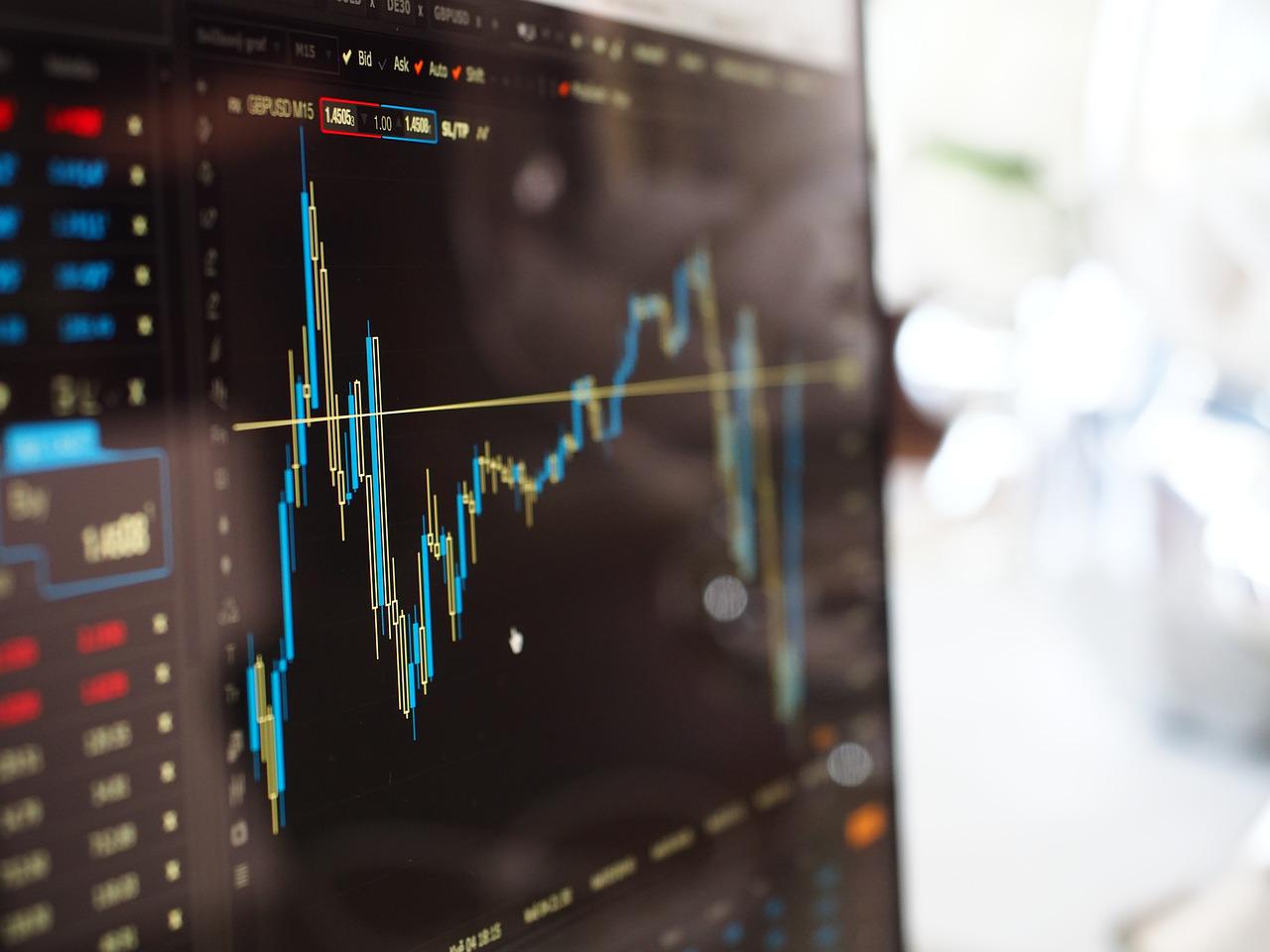
It’s 2025, and you no longer need to make financial decisions based on feeling or intuition. There are more accessible (and sometimes free) analysis tools and aggregators available for use by retail traders like you. Technical analysis can be a superpower for traders recently exposed to analysis tools. The term “technical analysis” might sound daunting or complicated, but it simply involves using historical information and data to make informed decisions within the market.
Analysts may utilise charts, graphs, price trackers, and more to decide what they believe will happen based on current and past market activities. Technical analysis can involve high-powered computers and programs running millions of calculations every second. Still, it can also be basic, like pulling out your phone and learning what happens right before and after hurricanes affect oil installations in the USA. Technical analysis is essential for pattern recognition.
Risk-to-Reward Ratios
Risk/reward ratio, or risk/return ratio, is used to help investors and organisations understand how much can be expected for every dollar risked on an investment. This concept aims to understand expected returns for every $1 invested. When you want to understand a trade’s expected return and compare it with how much risk must be undertaken to get these returns, risk/reward calculations are made.
Low risk-to-reward ratios are preferred, but you do not want it too low, as it might indicate weak potential returns. Let’s assume you’re considering investing $100 and have two assets to choose from. Asset A is from a traditional business that mass produces stationery and has a risk/return ratio 1:3, meaning you can expect $300 for your $100 investment. Asset B is a fast-growing startup with a risk/return ratio 1:5, so you can expect $500 for your $100 investment.
Position Sizing

As a retail investor, you’ll need to navigate the different assets and investment opportunities jostling for your attention. Position sizing can be an essential tool to help you better allocate resources while minimising exposure to adverse weather conditions. Most traders invest in various assets across multiple asset classes, markets, and countries. Knowing how much of your portfolio to allocate to an asset is a process that takes time to perfect.
When deciding your position sizing approach, consider factors like leverage and margins. These tools allow you to trade with more money than you might have access to, exposing you to heightened earning potentials. They also put you at greater risk of losing your money and going into debt. Create an allocation system that works for your specific needs.
Beyond Social Media and Trading Communities
Social media spaces and communities can offer valuable insights and opportunities to build a safe space. However, ensure your activities are not fully informed by what people say on these platforms. It’s wise to be connected to such spaces and other investment communities, but ensuring decision autonomy while at it is equally important.