
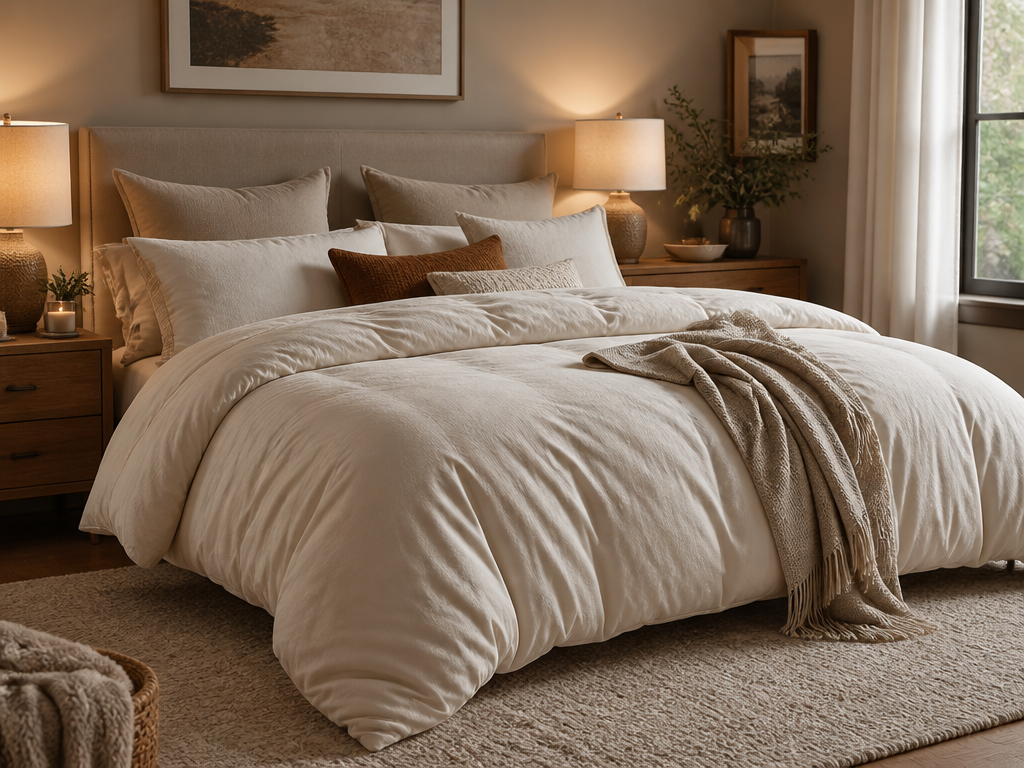
Just down the M5 from Birmingham, in a 7,500 square foot warehouse in Cheltenham, a family-run business has been quietly building one of the UK’s most respected bedding brands. Most Midlands buyers have not heard of it. The ones who have do not buy bedding anywhere else.
Bamboo bedding has gone from niche eco product to mainstream luxury option over the past five years, and the brand at the centre of that shift in the UK is Lost Loom. The Cheltenham business has built a UK customer base running into the tens of thousands, and is the kind of brand most often passed on by word of mouth between people who have made the switch from cotton and have no intention of going back.
For Birmingham and the wider Midlands, the connection is partly geographic and partly cultural. Cheltenham is, in practical terms, a regional neighbour. The brand’s family-run sensibility, attention to product detail, and lack of high street marketing fanfare all fit the kind of Midlands buyer who prefers a quiet recommendation to a billboard.
Why bamboo has taken over the premium end
The case for bamboo over cotton at the luxury end of bedding comes down to fibre properties. Bamboo fibres are naturally finer and smoother than cotton, which means a 400 thread count bamboo sheet feels softer and more luxurious than a 1,000 thread count cotton equivalent. The fabric drapes closer to silk than to percale. It regulates body temperature through the night rather than trapping heat. It is naturally hypoallergenic and antibacterial, which matters in homes with allergy sufferers and in households that change bedding less often than they would like. And it ages well, with a weave that resists pilling and gets softer with washing.
For the Midlands buyer used to heritage cotton brands, the change is immediate when the fabric is handled. The weight is right. The drape is right. The cool-to-the-touch quality that good hotel sheets aim for is consistently there, not just for the first month but for the long run.
What separates the good from the rest
Bamboo bedding as a category has grown fast, and quality varies considerably across the brands now on the market. Three signals separate the proper luxury options from the cheaper imports.
First, the fibre content. 100% bamboo viscose or bamboo lyocell rather than a bamboo-cotton blend. Blends dilute the properties that make bamboo worth buying. Second, the thread count, applied within bamboo as a like-for-like measure rather than against cotton. Anything below 300 feels thinner than it should. At 400, which is the UK ceiling for bamboo, the fabric performs at a level cotton struggles to match. Third, the finishing details. Hidden button closures on duvet covers. Deep fitted-sheet pockets. Corner loops to hold the duvet inside the cover. The presentation packaging. These are the details that telegraph whether a brand expects its product to last or to be replaced.
Lost Loom hits all three marks. The fabric is 100% bamboo at 400 thread count. The finishing is consistently considered across the range. The packaging arrives in presentation boxes for sets and fabric bags for duvets, which is a small thing that signals a larger attention to detail.
The home upgrade with the highest daily payoff
There is an underrated piece of arithmetic about home upgrades. The bedroom is the room most homeowners spend the most time in and the least money on. The kitchen gets the budget. The living room gets the attention. The bedroom, somewhere down the list, gets a coat of paint and whatever bedding was on offer at the time.
This is the wrong way around. The bedding is in direct contact with the skin for roughly a third of every day. No other purchase in the house has that level of daily exposure. The cost per use, calculated against a set that lasts two to three years, works out at pennies per night. There are very few daily decisions where the maths runs that favourably.
For Midlands households thinking about a refresh this year, the question is which corner of the home produces the biggest daily payoff per pound spent. The answer is almost always the bedroom, and within the bedroom, the answer is almost always the textiles that touch skin.