
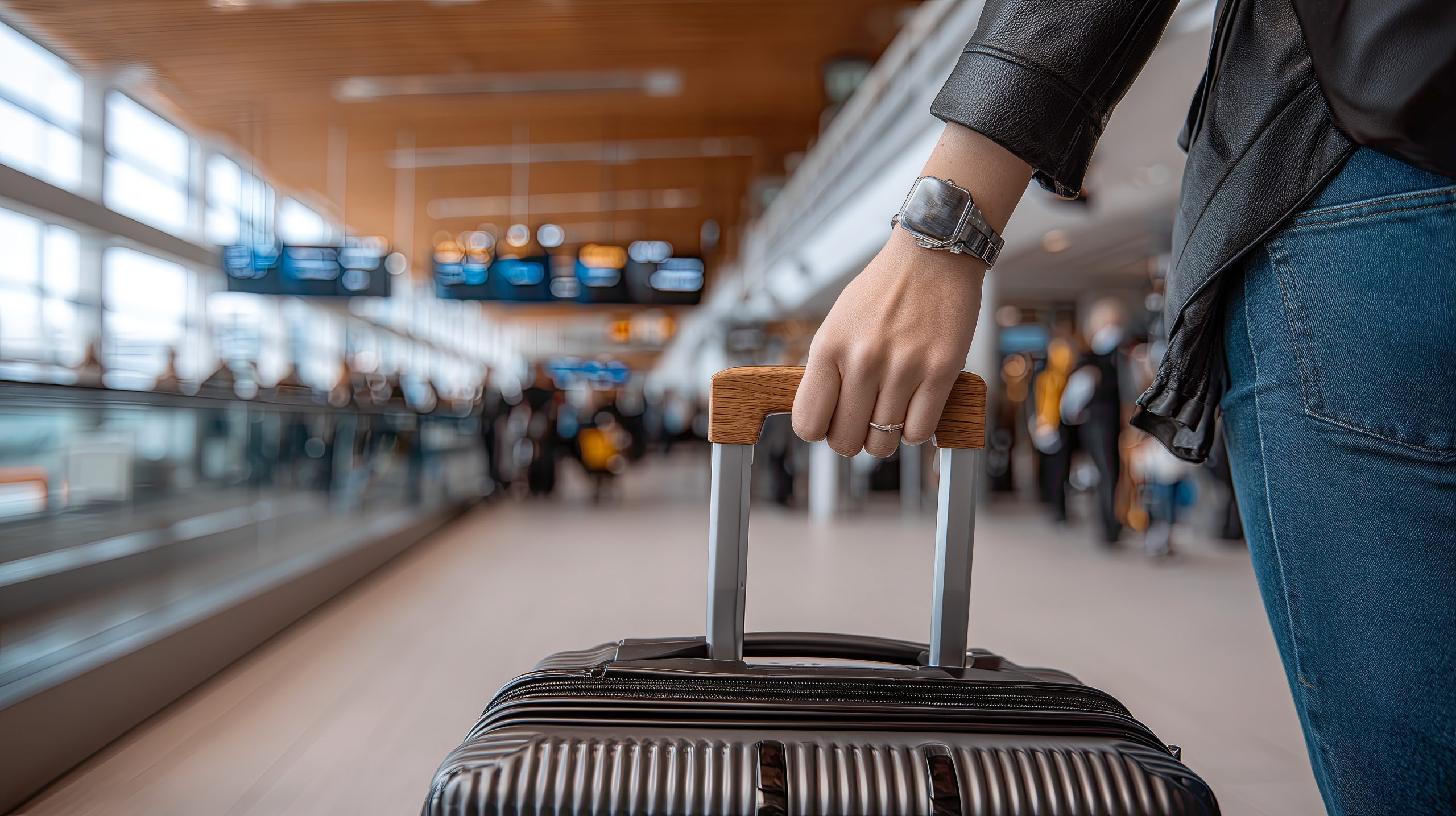
Have you ever wondered what really happens when you travel alone? No group schedules, no fixed routines, and no one else deciding what comes next. Traveling solo teaches you more than how to move from one place to another. It shows you how capable you are when every choice, plan, and experience depends on you.
Below are the unspoken benefits that make solo travel one of the most meaningful ways to see the world.
You Learn To Trust Yourself
When you travel alone, everything is up to you. You decide where to go, when to move, and how to spend your day. It can feel strange at first, especially if you’re used to following a plan made by someone else. But once you start making your own choices, you realize how capable you actually are.
Finding your way through a new city, handling bookings, or sorting out a delay becomes easier each time. Many solo travelers fall under FIT travel, or Free Independent Traveler, where you plan everything yourself instead of joining a guided group. It’s flexible, simple, and gives you full control of your travel plans.
If you’re new to solo travel, start small. Plan shorter solo trips where you manage your own routes and bookings. Each step strengthens your independence and helps you trust your instincts. With time, traveling alone starts to feel less intimidating and more natural.
You Notice More Around You
When you travel with others, much of your attention goes to conversation and company. Traveling alone changes that because your focus turns outward. You start paying attention to details that might otherwise go unnoticed. A street corner, a voice, or a simple meal can hold meaning when you take the time to see it.
The world feels slower when you’re alone. You walk through markets, talk to local people, and hear the small sounds that give each place its own character. You learn to observe local customs and pick up gestures or words that help you move past the language barrier. You begin to see beauty in things that once seemed ordinary.
This kind of awareness makes travel more personal. You connect with a place in a way that feels genuine and lasting. Every corner, sound, or smile becomes part of your memory, turning each trip into a collection of quiet cultural discoveries.
You Build Real Confidence
The confidence you get from traveling alone doesn’t show up right away. It grows each time you solve a problem, ask a question, or find your way through an unfamiliar place. You start to believe in your ability to handle whatever comes your way, which leads to real personal growth.
Each day brings new decisions that only you can make. You might need to figure out the public transportation system, find a place to stay, or make a quick change in plans. Each successful choice adds to your self-assurance. Soon, you stop doubting yourself and start relying on what you know you can do.
That same confidence follows you home. It shows up when you face challenges in everyday life. You learn to stay composed because you’ve already proven you can manage the unexpected.
You Connect in Honest Ways
Many people think traveling alone means being lonely, but the opposite is often true. When you’re on your own, you naturally meet more people. Locals are curious, and other travelers notice your openness. These connections happen without effort and often feel genuine.
Conversations become easier when you’re not distracted by a travel buddy. You listen more closely, and people respond to that kind of attention. You exchange stories, learn about daily life, and sometimes receive advice you wouldn’t have found in a guidebook. Each interaction adds something meaningful to your journey.
These connections can last a few minutes or a few years. Some may turn into friendships that bring you back to certain places again. Meeting people this way reminds you how open and welcoming the world can be.
You Learn To Enjoy Quiet Moments
The silence that comes with traveling alone can feel strange at first. Without constant conversation, the days might seem slow. But after a while, that quiet starts to feel comfortable. You start to value mornings without rush and evenings spent in thought.
Simple moments start to mean more. Drinking coffee in a small café, sitting by the water, or watching people pass by gives you time to think. You notice how relaxed you feel when there’s no need to rush anywhere. Being alone starts to feel natural instead of awkward.
This comfort with silence becomes one of the most lasting lessons of solo travel. It helps you slow down and appreciate what’s around you. You learn that being alone doesn’t mean being lonely. It means being fully present wherever you are.
You Discover What You Like Most
One of the best parts of traveling alone is realizing what you actually enjoy. You’re not following anyone else’s plan or trying to fit into a group’s pace. You choose how to spend your time, where to go, and what to skip. That kind of freedom makes you more honest with yourself.
You start noticing what really makes you happy. Maybe you like quiet mornings instead of early tours. Perhaps you’d rather explore small towns than rush through big cities. You follow your travel dreams and see what truly fits your travel bucket list. Every choice starts to reflect who you are.
Knowing what you enjoy most helps beyond travel. It changes how you make decisions in daily life. You become more confident in choosing what feels right for you, not what’s expected.
You Handle Change With Ease
When you travel alone, things don’t always go as planned. A delayed train, a missed bus, or a sudden change in weather can throw off your day. At first, it feels frustrating, but soon you learn to adapt. You stop overthinking and start figuring things out as they come.
Each time you adjust, you prove to yourself that you can handle uncertainty. You start to approach problems calmly instead of reacting with stress. Even when safety concerns or travel anxiety show up, you find ways to manage them with patience. That mindset carries over into every area of life.
The ability to stay calm in unexpected situations is one of the most valuable lessons from solo travel. It builds emotional strength and patience. You stop fearing change because you’ve learned to manage it with confidence.
You Travel at a Comfortable Pace
When you’re alone, there’s no need to rush. You decide how long to stay in one place or how early to start your day. This flexibility gives you space to explore without pressure. You follow your interests instead of a fixed schedule.
You can linger in a museum, spend an afternoon in a café, or take an unplanned walk through quiet streets. Even getting there can feel easier when you plan for a comfortable flying experience that helps you start your trip in the right mindset. Without a fixed schedule, you travel for enjoyment, not obligation. The more you slow down, the more you notice the colors, the sounds, and the small details that make each place memorable.
This kind of pace brings a different kind of satisfaction. You stop measuring your trip by how much you’ve done and start valuing how it feels. Every choice is yours, and that control turns travel into something personal and deeply rewarding.
You Learn the Value of Simplicity
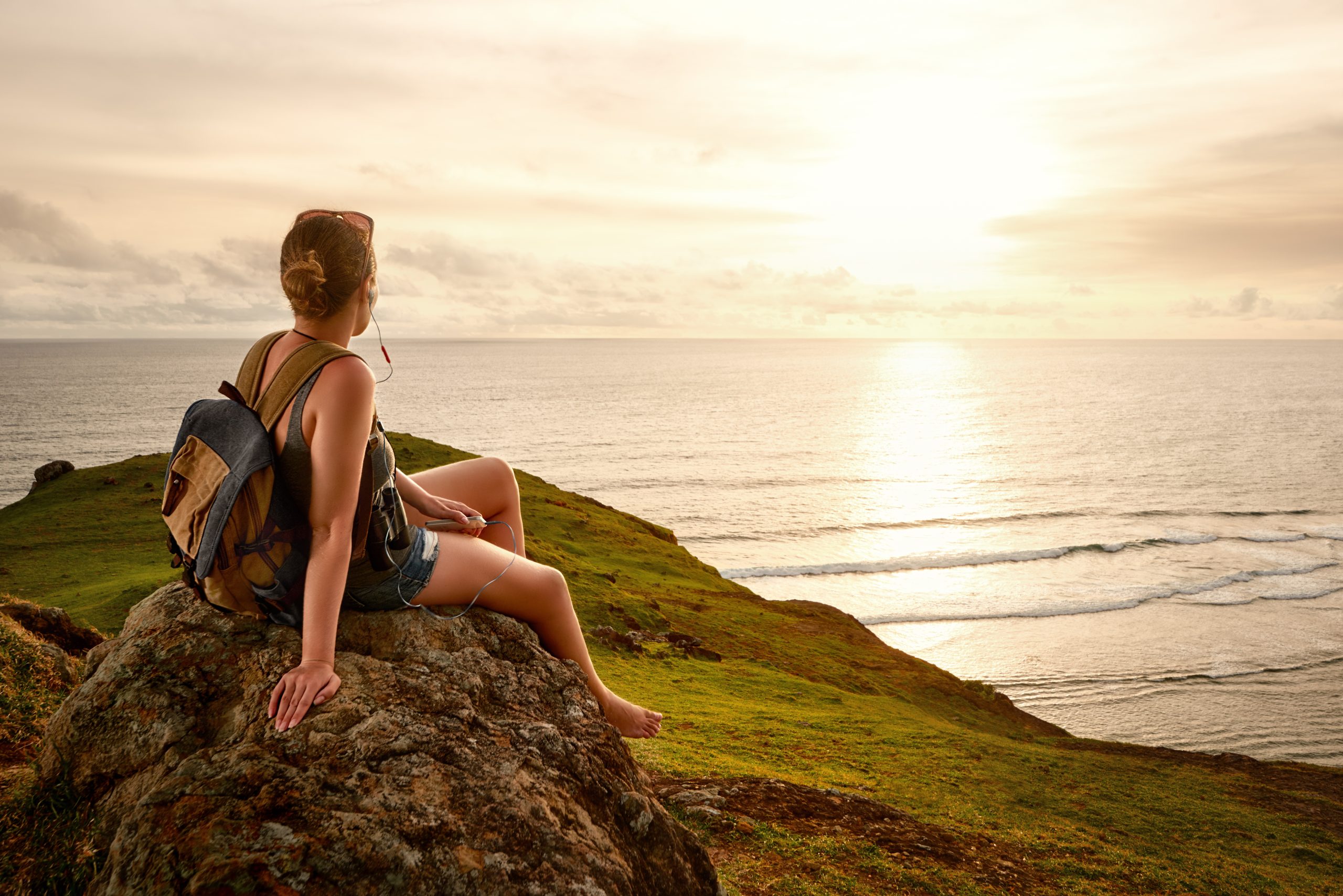
Traveling alone naturally teaches you to live with less. You pack lighter, spend smarter, and focus on what you actually need. Each item you bring serves a purpose, and that sense of simplicity makes the experience easier and more enjoyable.
You realize how freeing it feels to carry only what matters. There’s less to manage and less to worry about. Instead of focusing on things, you focus on experiences. You spend more time exploring than thinking about hotel rooms or gear. That change in mindset makes travel smoother and more meaningful.
When you return home, the habit stays. You become more selective about what you buy and how you spend your time. You understand that living simply often brings more satisfaction than having more.
You Return Changed
Coming home after a solo holiday feels different from returning from a group trip. The familiar things are still there, but you see them differently. You’ve learned how to handle problems on your own and listen to that inner beckoning that tells you to keep exploring.
You’re more open to new ideas, new places, and even adventurous activities that once felt intimidating. You see the value in trip planning because it gives you control without limiting your curiosity. You move through life with the same awareness you gained while traveling the world.
Solo travel doesn’t make life perfect, but it changes how you see yourself. It gives you stories that belong only to you and a confidence that can’t be taken away. Each trip reminds you that growth often starts the moment you decide to take the first step.
Final Thoughts
The true rewards of solo travel often go unnoticed. They reveal themselves in how you make decisions, handle change, and view the world with greater awareness. Traveling alone helps you build independence and trust in yourself, both on the road and at home.
Every journey, no matter how small, becomes proof of what you can do when you rely on your own judgment. The confidence you gain from solo travel will stay with you far beyond the trip itself. Each adventure becomes another reminder that growth begins the moment you decide to go on your own.