
Birmingham’s creative energy has always thrived on connection, from basement venues filled with live beats to sprawling festivals that draw crowds from across the country. When the world went digital, the city’s musicians didn’t fade into the background. They adapted, turning to technology to keep the rhythm alive. Today, virtual gigs are not just a temporary fix but a thriving extension of the scene itself, bringing Brum’s sound to fans around the world.
For many artists, streaming platforms became their new stage. Independent musicians, once limited to local venues, found that a single well-produced livestream could reach listeners in Tokyo, Toronto, or Cape Town. From the soulful performances of Digbeth collectives to the underground DJs of the Jewellery Quarter, Birmingham’s talent has found global reach through digital creativity. Online events, whether hosted via YouTube, Instagram Live, or specialised music platforms, have transformed the way audiences experience local music, personal, immediate, and borderless.
This digital turn isn’t confined to music alone. Birmingham’s creative industries, from theatre collectives to art galleries, have also found new ways to connect with audiences online. Film screenings, online exhibitions, and remote workshops have flourished, keeping the city’s cultural heartbeat strong through uncertain times. The shift mirrors other industries where innovation has bridged the gap between physical and digital worlds.
Just as independent artists are using online platforms to reach supporters, industries like gaming and entertainment have seen their own digital transformations. Among those examples, non gamstop casinos have expanded internationally by offering entertainment experiences unrestricted by geography, much like Birmingham’s music community reaching beyond borders through virtual gigs. Both reflect the same underlying spirit, using technology to connect with audiences wherever they are.
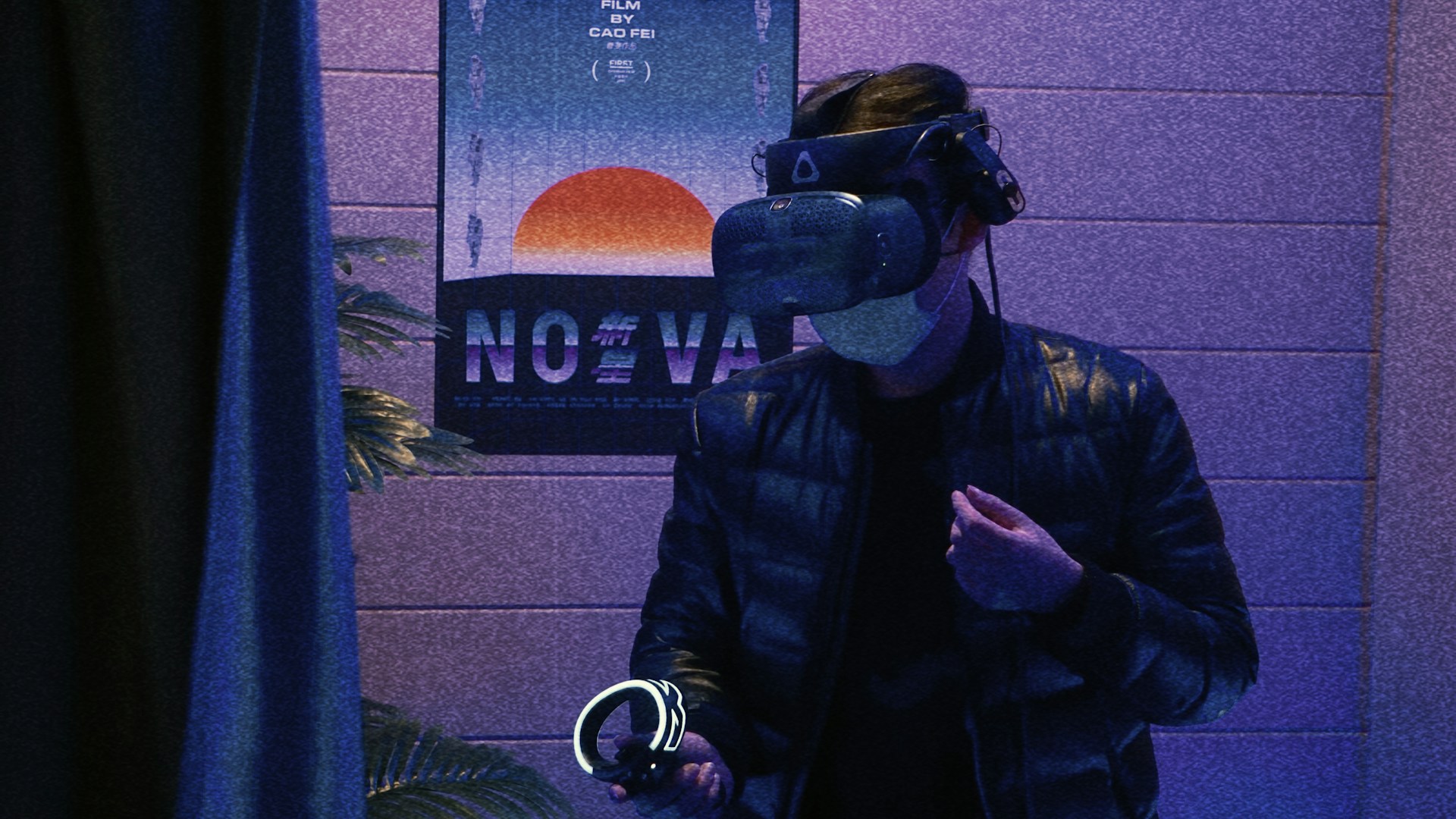
Audiences, too, have embraced this shift. There’s a sense of intimacy to virtual gigs that a packed venue can’t replicate. Fans can comment in real time, interact directly with artists, and even tip performers mid-show. Some organisers have taken this further by integrating immersive visuals, virtual reality spaces, and interactive setlists. In many ways, technology has deepened the connection between performer and listener rather than replacing it.
For musicians, this evolution has also reshaped how they create. Recording from home studios, collaborating across continents, and using AI-assisted production tools have become standard practice. Local sound engineers and visual artists have joined in, experimenting with live digital mixing, reactive light shows, and motion graphics that turn performances into multimedia art. The result is a kind of creative freedom that’s less about replacing live shows and more about expanding what live performance can be.
Still, nothing truly replaces the feeling of a live crowd. When the lights dim, and the first notes echo through a Birmingham venue, there’s a collective energy that technology can’t fully imitate. Yet what virtual gigs offer is something equally powerful — accessibility. Fans who might never have travelled to the city can now experience its pulse from afar. It’s a new form of inclusion that extends Birmingham’s culture well beyond its physical boundaries.
Venues have also embraced the change. Spaces like the Hare & Hounds and The Sunflower Lounge have experimented with hybrid events, blending in-person performances with professional livestreams. This dual model opens fresh revenue streams and helps artists grow audiences both locally and globally. For some, it’s also a sustainability move, fewer tours, lower costs, but greater reach. And as digital tools improve, production values rise, bringing audiences high-quality sound and visuals that rival televised performances.
Birmingham’s reputation as a city of music, from heavy metal to reggae, soul, and electronic beats, is only deepening through these virtual connections. Technology isn’t erasing tradition; it’s amplifying it. Fans who first discover a Birmingham act online often end up booking tickets to see them live later, proving that digital discovery can lead to real-world engagement.
Looking ahead, it’s clear that virtual gigs are here to stay. What began as a necessity has evolved into an art form in its own right. They provide space for experimentation, accessibility for fans, and a platform for emerging artists to build loyal followings. Birmingham’s creative resilience has turned a challenge into an opportunity, showing once again that the city’s rhythm never stops, it simply finds new ways to be heard.
And as long as technology keeps evolving, Birmingham’s musicians will continue to find inventive ways to connect, collaborate, and create. Whether it’s a live set streamed from a Digbeth warehouse or a global audience tuning in from thousands of miles away, one thing remains certain: the sound of Birmingham will always find a way to reach the world.