
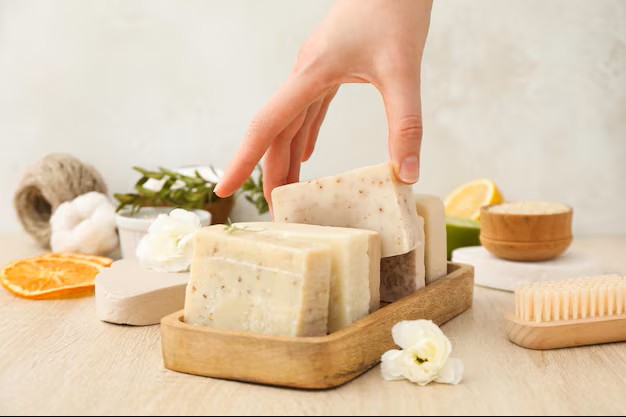
At first glance, expanding a soap line may seem straightforward. Demand increases, production increases, and revenue follows. In reality, scaling a soap brand introduces operational, formulation, and supply chain complexities that many companies underestimate.
Brands that begin with small-batch production often rely on processes that are not designed for volume. While these methods may work well early on, they can create bottlenecks as demand grows.
Common scaling challenges include:
- Inconsistent product batches due to manual processes
- Limited access to high-quality raw materials at scale
- Production delays that impact inventory and fulfillment
- Difficulty maintaining formulation integrity across larger runs
- Rising costs that reduce profit margins
Beyond logistics, there is also the pressure to maintain brand consistency. For many companies, their reputation is directly tied to product quality. Customers expect the same texture, scent, and performance every time they purchase.
This is especially important for established brands, where quality is not just a feature but a core part of their identity and customer promise.
Scaling successfully requires more than increasing output. It requires rethinking how your products are made, sourced, and delivered.
The Role of Custom Formulation in Brand Differentiation
In a crowded personal care market, differentiation is everything. Brands that stand out do so because of their formulations, not just their packaging or marketing.
Custom formulation allows brands to:
- Create signature products that customers cannot find elsewhere
- Align ingredients with brand values such as natural, organic, or sustainable
- Control product performance, texture, and scent profiles
- Build a cohesive product line that supports long-term growth
Consumers today are more educated than ever. They read labels, research ingredients, and expect transparency. This has made clean formulations and natural ingredients a baseline expectation rather than a premium feature.
True natural soap is made by saponifying plant-based oils and using essential oils, herbs, and mineral-based colorants instead of synthetic additives.
For brands, this means formulation is no longer just a technical step. It is a strategic decision that shapes how customers perceive the product and the brand as a whole.
A well-developed formulation does more than perform well. It reinforces trust, supports marketing claims, and creates a product experience customers return to again and again.
Key Factors to Look for in a Manufacturing Partner
Choosing the right manufacturing partner is one of the most important decisions a brand can make when scaling. Not all manufacturers are built to support growing brands, and the wrong fit can lead to delays, quality issues, and missed opportunities.
Here are the key factors to evaluate:
1. Production Flexibility
- Ability to handle short runs and scale over time
- Flexible minimum order quantities that support growth
- Willingness to adapt to your product roadmap
2. Quality Standards
- Consistent formulation and batch control
- Use of high-quality, natural ingredients
- Strong quality assurance processes
3. Ingredient Sourcing
- Reliable access to premium raw materials
- Transparent sourcing practices
- Understanding of natural formulation requirements
4. Operational Efficiency
- Clear timelines from purchase order to delivery
- Organized production and fulfillment systems
- Ability to meet deadlines consistently
5. Communication and Partnership
- Responsive and transparent communication
- Willingness to collaborate on product development
- A relationship-focused approach rather than transactional
Many brands outgrow small-batch producers but are not ready for large-scale industrial manufacturers. They need a partner that sits in the middle, offering both flexibility and scale.
If you are exploring options for custom soap, working with a partner that understands this balance can make a significant difference in your ability to grow efficiently.
Building a Scalable Production Process Without Losing Quality
Scaling production while maintaining quality requires a structured and repeatable process. Every step, from ingredient sourcing to final packaging, must be optimized for consistency.
A scalable soap manufacturing process typically includes:
1. Formulation Development
The process begins with creating a formulation that performs well and can be replicated at scale. This includes balancing oils, selecting essential oils for scent, and determining natural colorants.
2. Ingredient Sourcing
High-quality ingredients must be sourced consistently. Variability in raw materials can lead to differences in the final product, which is why reliable suppliers are essential.
3. Batch Production
Production processes are standardized to ensure each batch meets the same specifications. This includes precise measurements, controlled temperatures, and consistent mixing techniques.
4. Curing and Finishing
For bar soaps, curing is a critical step that impacts hardness, longevity, and performance. Proper curing ensures the soap meets quality expectations before it reaches customers.
5. Quality Control
Each batch is evaluated to ensure it meets defined standards for appearance, scent, texture, and performance.
6. Packaging and Fulfillment
Products are packaged according to brand requirements and prepared for distribution. Efficient fulfillment ensures timely delivery to customers or retail partners.
When these steps are executed properly, brands can scale production without sacrificing the qualities that made their products successful.
How Strategic Manufacturing Partnerships Drive Long-Term Growth
The most successful brands treat manufacturing as a strategic partnership rather than a simple vendor relationship.
A strong manufacturing partner does more than produce products. They contribute to the brand’s long-term success by offering:
- Guidance on product development and formulation improvements
- Support for scaling production as demand increases
- Insights into ingredient sourcing and cost management
- Operational expertise that improves efficiency
This type of relationship is built on trust, communication, and shared goals. Brands benefit from working with partners who understand their business and are invested in their success.
A human, relationship-driven approach to manufacturing is especially important for growing brands that need flexibility and collaboration.
As brands expand into new markets, launch additional SKUs, or enter retail channels, having a reliable partner becomes even more valuable. It allows internal teams to focus on marketing, sales, and customer experience while production is handled with confidence.
Conclusion
Scaling a natural soap brand is an exciting opportunity, but it requires careful planning and the right support systems. Growth introduces complexity, and without the right processes in place, it can impact product quality and customer trust.
Brands that succeed in this space take a strategic approach. They invest in custom formulation, prioritize ingredient integrity, and build production systems designed for consistency. Most importantly, they choose manufacturing partners who align with their standards and long-term vision.
The right partner helps bridge the gap between small-batch craftsmanship and large-scale production. They provide the flexibility, expertise, and operational strength needed to grow without compromise.
For established brands looking to expand their product lines and meet increasing demand, this approach creates a clear path forward. It allows you to scale with confidence while continuing to deliver the quality your customers expect.