
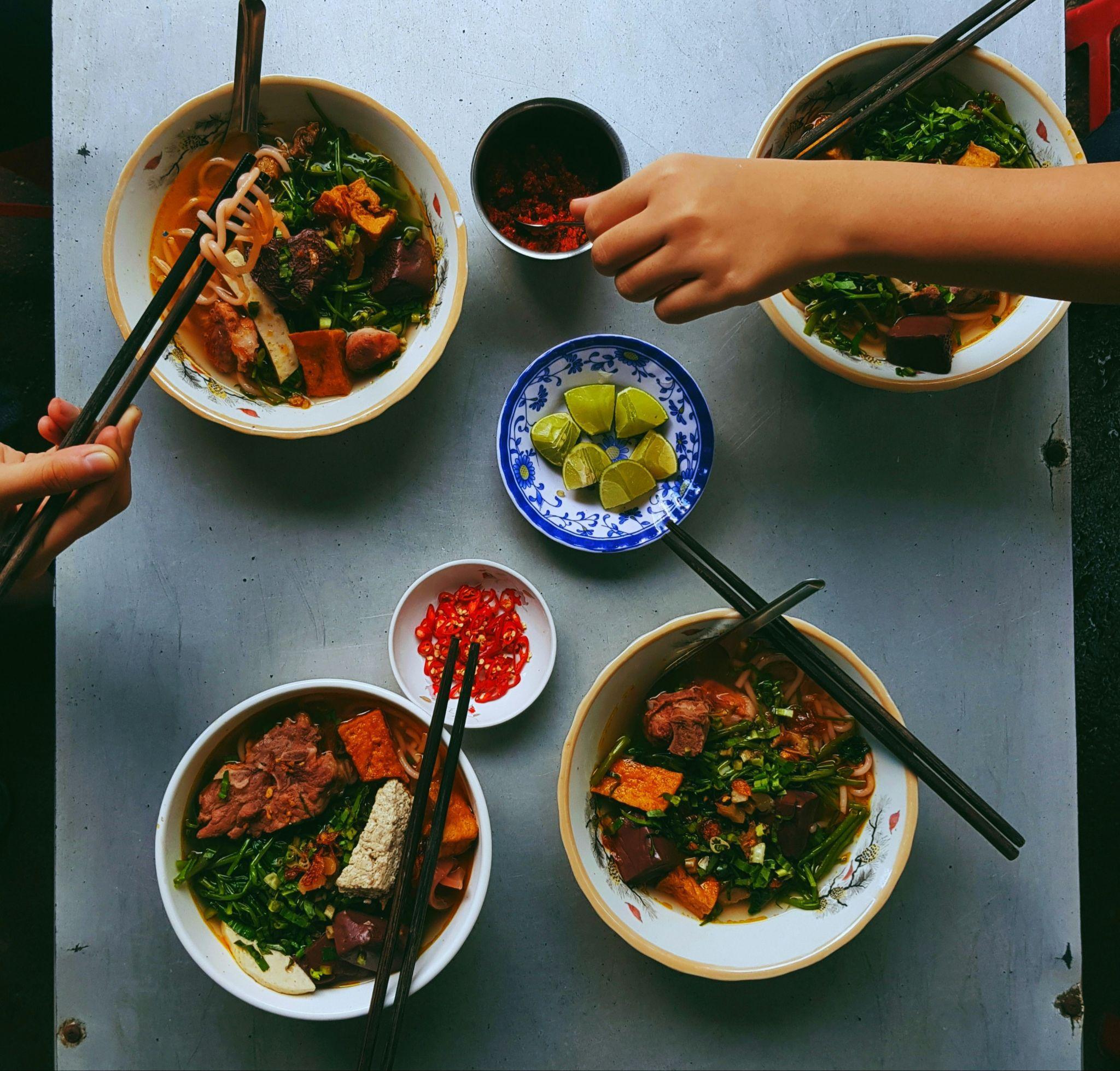
Photo by Trung Bui on Unsplash
Asian cuisine has found its sweet spot: bold yet balanced, exotic yet familiar. Think fiery Sichuan peppercorns, umami-packed miso, crisp kimchi and sweet-savory gochujang; what once felt adventurous is now part of everyday menus, home cooking and grocery aisles across the globe.
Why Now? The Perfect Recipe for Popularity
So, what turned Asian cuisine from a niche interest into a global staple? A mix of digital buzz, health-conscious eating and ingredient accessibility has created the perfect – delicious – storm.
Social Media Sparks the Sensation
Trendy eats – from sushi burritos to dalgona coffee – went viral thanks to TikTok and Instagram, with chefs, creators and foodies transforming niche dishes into global sensations overnight.
Health & Wellness Appeal
Staples like kimchi, miso, kombucha and fresh veggies fit right into modern wellness trends. Fermented foods are lauded for gut benefits, and Asian cooking emphasizes balanced nutrition.
Ingredient Access & Globalization
Stores like H Mart and 99 Ranch now pop up in cities you wouldn’t expect, making gochujang, Thai chiles and yuzu a regular part of your shopping trip.
Millennials and Gen Z in particular are also driving this shift. These younger generations view food as both a cultural experience and a form of self-expression, making them more willing to explore bold, unfamiliar flavors from around the world.
5 Asian Food Trends Leading the Charge
From street snacks to supermarket staples, these five trends are redefining what – and how – the world eats.
1. Korean Cuisine: No Longer Just Kimchi
Korean food has fully crossed into the mainstream – gochujang marinades, tteokbokki snacks, and bulgogi bowls are now familiar favorites in home kitchens and on restaurant menus alike. In 2022, South Korea’s agricultural and food product exports reached a record US$11.9 billion, according to the Ministry of Agriculture, Food and Rural Affairs. The United States was the top importer, accounting for 23.6% of that total – evidence of just how deeply Korean cuisine has taken root abroad (source).
2. Boba Tea: Still Bubbling Up
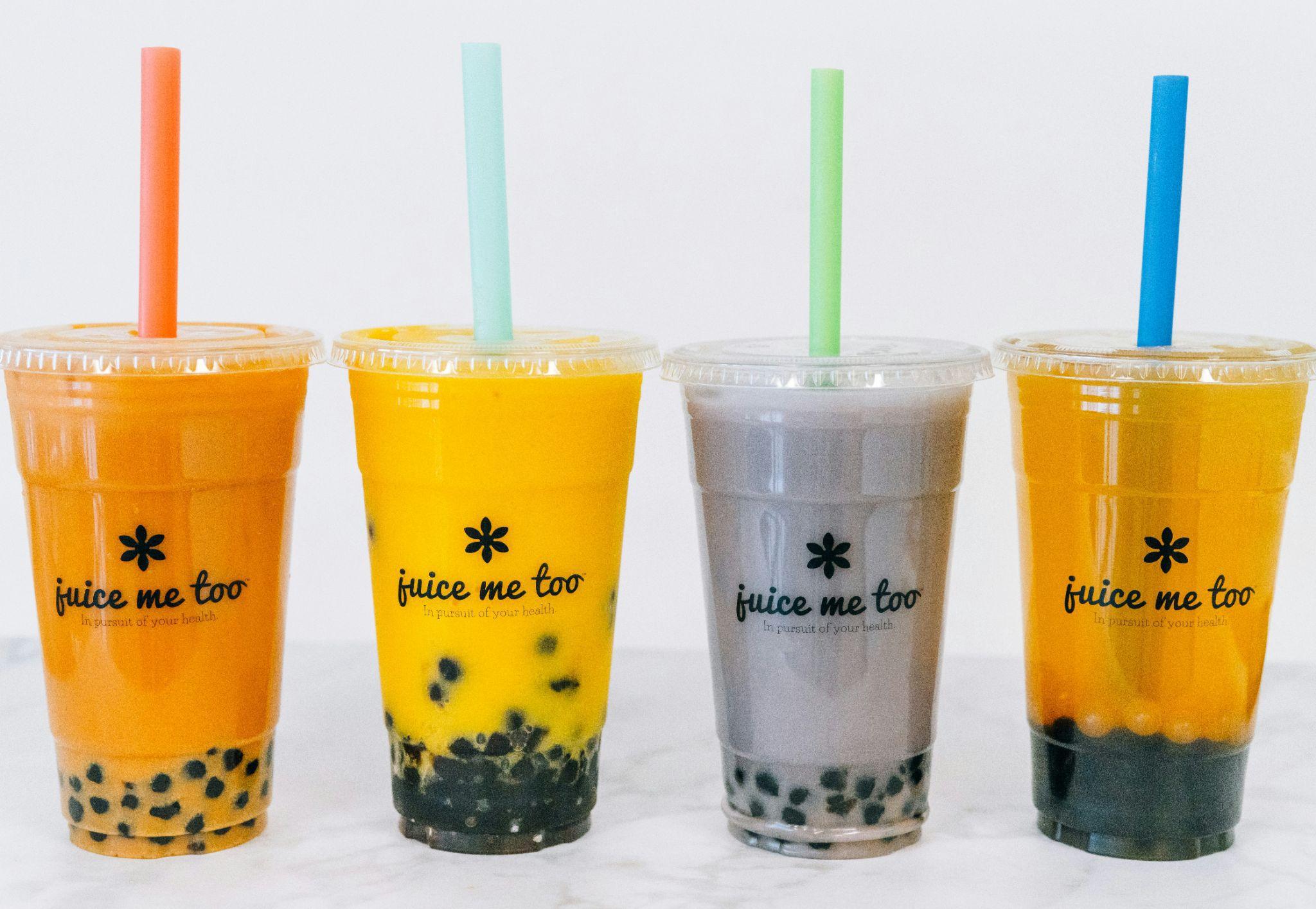
Photo by Nathenia Landers on Unsplash
The global bubble tea market was around US$2.63-2.75 billion in 2023-24 and is predicted to grow between 7-9% annually, potentially doubling by 2030. Flavor beyond bubble tea – boba desserts, cocktails and pastries – is trending hard.
3. Japanese Comfort Food: Beyond Sushi
Americans are increasingly enjoying ramen, onigiri and okonomiyaki. Instant ramen became a pandemic staple, with Nissin reporting a 32% jump in premium ramen sales in the U.S. and global portion sales reaching 1.48 billion servings in 2021.
4. Sriracha Shortage: A Red Hot Crisis
Huy Fong’s classic Sriracha faced major shortages in 2022-23 due to chili crop failures in Mexico – driven by drought and climate change. Supply limitations even spiked bottle prices to $30-$70 in some places – that’s how embedded it is in U.S. kitchens.
5. Filipino Food Is Having Its Moment
Bold Filipino flavors are finally center stage. Dishes like lechon, sisig and ube are appearing on menus nationwide. Filipino chef-hosted restaurants like D.C.’s Bad Saint are being praised, while Time Magazine’s ‘World’s Greatest Places’ list includes Boracay – and how could anywhere be considered one of the greatest places on earth without stunning cuisine?
The Secret Life of Cultural Food Hubs
Long before Asian flavors went global, they thrived in neighborhood enclaves – Chinatowns, Koreatowns, Japantowns and Little Saigons have been serving up regional specialties for generations, often long before the rest of the world caught on.
Places like New York’s Chinatown or Vancouver’s Richmond District aren’t just postcard-perfect spots for dumplings and neon signs; they’re living, breathing food labs where tradition collides with modern twists. From mooncake ice cream sandwiches to vegan mapo tofu, Chinatown restaurant trends are now influencing food trucks, pop-ups and Michelin-starred menus alike.
These neighborhoods don’t just keep culture alive – they reinvent it. And with a new wave of chefs blending heritage flavors with bold, unexpected twists, these hubs aren’t fading into nostalgia; they’re cooking up the next big thing in food – one viral-worthy dish at a time.
What’s Next: The Future of Asian Eats
- Regional Chinese Cuisine: expect hot pot, Xi’an noodles, Hunan and Yunnan flavors to grow in popularity
- Plant-Based Asian Foods: tofu ramen, jackfruit bao, mushroom ‘duck’ and more vegan-friendly fare
- Asian Fast-Food Chains: Filipino Jollibee and Japanese Coco Ichibanya curry shops are rapidly expanding globally – especially in Western markets
Hungry Yet?
This isn’t a temporary flavor wave – it’s a full-blown culinary revolution. Whether you’re grabbing matcha lattes, kimchi tacos, ramen burger mash-ups or drizzling sriracha on eggs, you’re part of an Asian food movement sweeping the globe.