
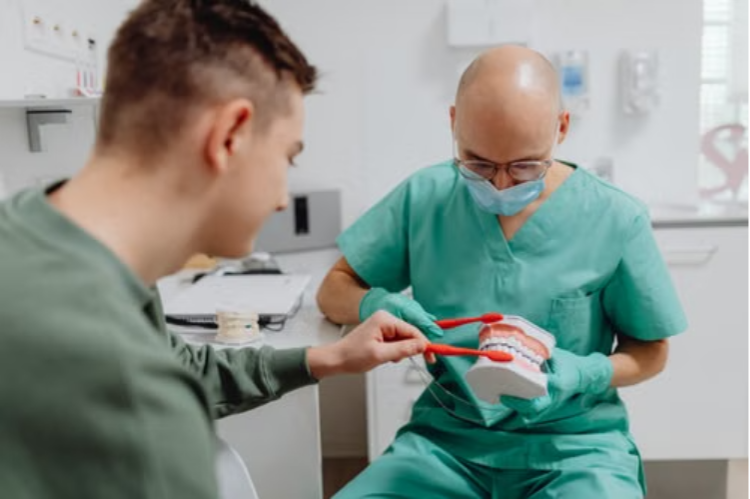


When tooth pain strikes, it is seldom at an opportune moment. Sometimes you wake up with a toothache, break a tooth during an important meal, or lose a filling just before a big day. Sudden discomfort can disrupt your routine and leave you unsure whether you need urgent dental care or can safely wait for a regular appointment. A regular appointment can cause you to be uneasy, anxious, and uncertain about what to do.
Having an emergency dentist at your disposal gives you a definite choice if dental issues require immediate attention. Professional advice can be obtained rapidly, along with an understanding of what is going on and measures to prevent the problem from becoming more difficult to treat.
In cases of an emergency, an emergency dentist can offer a viable way to get a quick assessment. Here are five reasons quick access to emergency dental care can make a real difference when you need help.
1. Get Faster Pain Relief
Severe tooth pain can make everyday activities difficult. Eating, sleeping, speaking, and concentrating may become uncomfortable. When professional help is needed, a local emergency dental service can provide practical support and guidance. For instance, if you happen to be residing in Exeter, having an emergency dentist Exeter at your disposal can offer a convenient option for addressing urgent dental concerns.
An emergency dental appointment allows you to explain your symptoms and have the affected area assessed. Tooth decay, infection, a damaged tooth, or a lost filling can all cause significant discomfort. Identifying the underlying dental problem helps your dentist determine the appropriate treatment.
Timely dental care can also help you understand what to do while you wait for treatment. Your dentist can provide practical advice based on your symptoms and explain the next steps. That guidance can give you greater reassurance while addressing the source of your dental pain.
2. Protect Damaged Teeth

A tooth can crack, chip, or break unexpectedly, leaving you with sudden discomfort or sensitivity. Dental damage can be caused by sports injuries, falls, accidents, or biting hard food. If you leave a damaged tooth untreated, the affected area may become more sensitive, making eating and drinking uncomfortable.
When the tooth is damaged, an emergency dentist can examine the affected tooth to determine the extent of the damage. Depending on the situation, repair, protection, and/or further treatment might be advised.
Early intervention can prevent further complications. In case of a damaged tooth, do not chew on the tooth side and seek advice from an emergency dental clinic. Explain what happened when you make the appointment.
3. Reduce Uncertainty About Treatment
Dental emergencies also bring with them another issue other than pain: uncertainty. The symptoms may not always make it clear whether immediate dental care is necessary or whether a routine appointment would be sufficient.
You get valuable information in a professional evaluation. Your dentist will be able to assess the site, discuss your symptoms, and let you know what treatment choices you have. Clear guidance can make the treatment options easier to understand and help with the next steps.
Budget can also be a deterrent. A good emergency dentist will tell you how much you will have to pay for consultation and treatment before they go any further. If a patient requires emergency treatment, the dentist should explain the cost of this treatment at the outset and enable the patient to decide whether to pursue treatment.
4. Access Care When Away
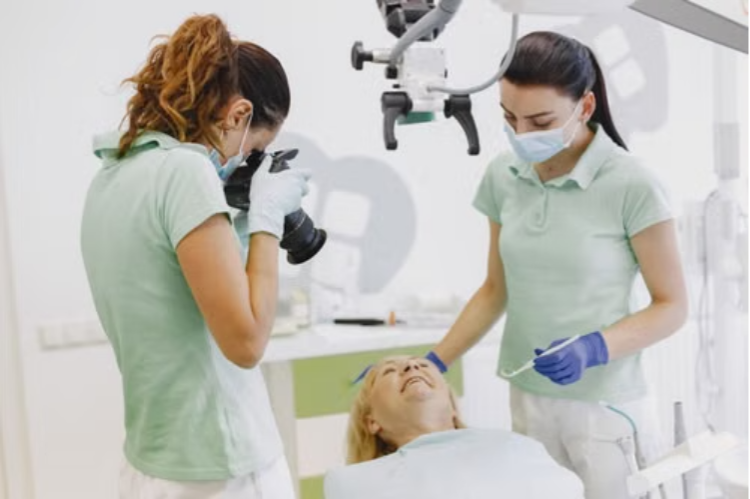

Dental emergencies do not always happen near your usual dentist. You might be studying locally, traveling for work, or simply finding yourself without access to your regular practice when a problem develops.
An emergency dentist can give you another route to care. Emergency dental services may also accept patients who are not registered with the practice, making one-off treatment available when urgent dental care is needed.
That flexibility can be especially useful when you need help quickly. Rather than delaying care because you are not an existing patient, you can contact an emergency dental provider and ask about available appointments and the most appropriate next step.
5. Prevent Small Problems from Escalating
Some dental emergencies begin with a problem that seemed minor. A small crack can worsen. A loose filling can fall out completely. Mild discomfort can develop into a severe toothache when an underlying issue is left untreated.
Early dental attention does not guarantee that extensive treatment will be avoided. However, professional assessment gives you a chance to understand the problem before it potentially becomes more complicated.
You should seek urgent dental advice if you have severe or persistent tooth pain, significant swelling, a badly damaged tooth, uncontrolled bleeding, or a dental injury. For serious facial swelling that affects breathing or swallowing, seek emergency medical care immediately, as these symptoms can indicate a more serious medical emergency.
Conclusion
An emergency dentist is a practical choice if you need dental care when you can’t afford to wait. A quicker assessment may help you cope with pain, prevent further damage to a tooth, help you learn about your treatment options, seek treatment from a dentist outside of your regular practice, and help you solve tooth problems before they can become a major issue.
You can be prepared before a dental emergency occurs. Keep the number of a local dentist who can help in an emergency, know what symptoms require immediate treatment, and do not put off dental treatment if you don’t know what to do. If you have a clear plan on what to do when a dental issue arises, it can make the situation much simpler to manage.