
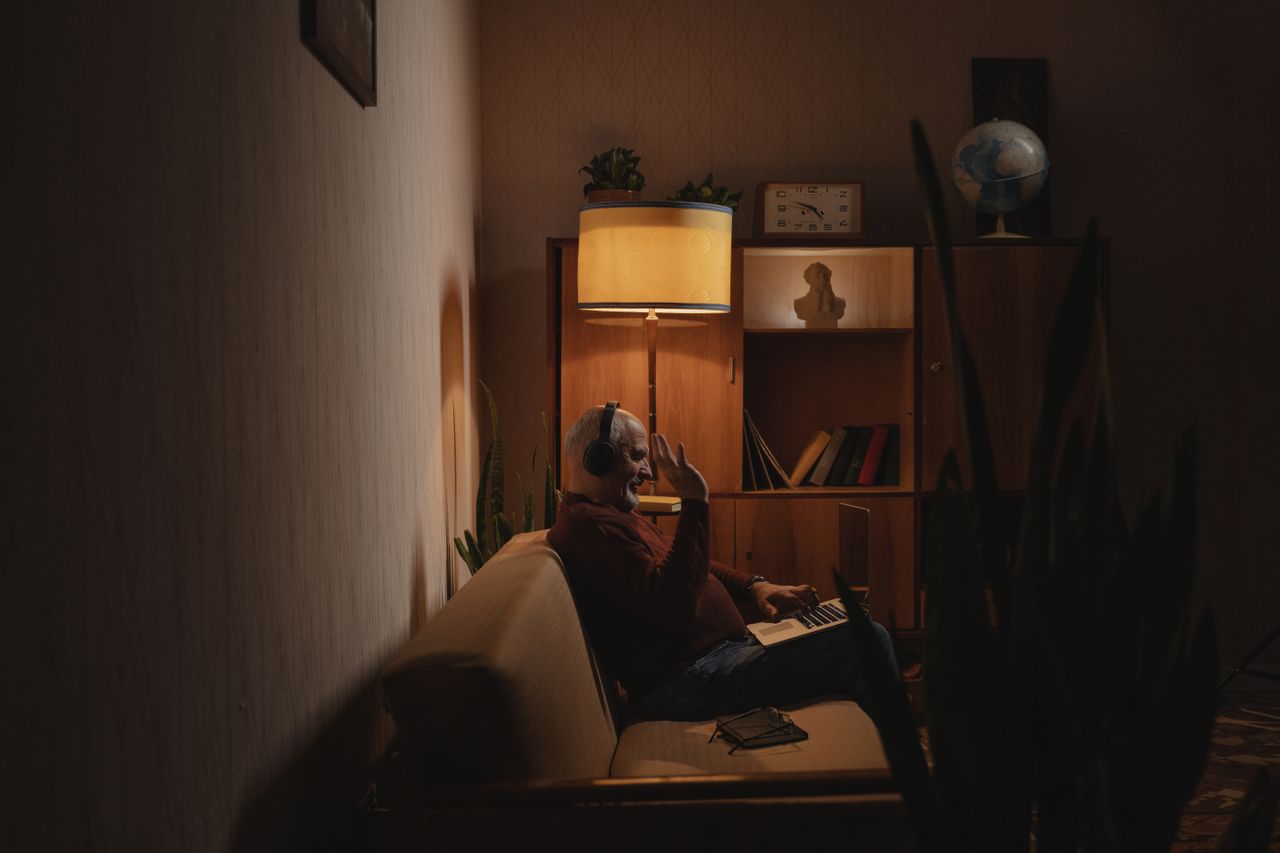
Photo by Tima Miroshnichenko
A few years ago, a video call in Birmingham meant a scheduled catch-up on a laptop, usually with the camera angled to hide the washing up. Now it is woven into an ordinary week: a group quiz with old university friends, a dating app video verification before a first meet-up in the Jewellery Quarter, a physio session done from the sofa on a wet Tuesday. The camera has quietly become as normal a fixture of city life as the bus app or the contactless card, and it rarely gets switched off for long.
That shift has brought a second, quieter change: people are asking harder questions about where that footage actually goes once a call ends. Grapevine has already looked at how Birmingham socialises online when the clubs close, and one thread ran through nearly every conversation, that moving a social life onto video does not remove the need for judgement, it just moves the judgement online.
What Happens to Your Camera Feed
Most video calls work one of two ways. Some run peer to peer, meaning your device connects almost directly to the other person’s, with the company’s servers doing little more than the initial handshake needed to find each device on the network. Others route the whole call through a central server, which can make the connection more stable on patchy mobile data but also means a company’s infrastructure is technically capable of seeing, and sometimes storing, the stream as it passes through.
Whether a session is recorded by default is one of the clearest signals a service will give you about how it treats a user’s privacy, and it is worth checking before the call, not after. Adult webcam services that offer intimate one-on-one chats sit at the stricter end of this spectrum, since a paid, one-to-one session gives a platform a direct commercial reason to publish a clear no-recording policy rather than bury it in a lengthy terms page nobody reads. A clear policy, stated in plain language near the sign-up screen, is usually a better sign than any badge or logo on the homepage.
The Screenshot and Recording Problem
Encryption in transit only protects a call while it is moving between devices. It does nothing once the image is on someone’s screen, because a screenshot or a screen recording happens after the video has already been decrypted and displayed. This is the gap that caused most of the well known privacy failures on video platforms over the past decade, and it is a limitation no amount of server side security can close on its own, however strong the encryption behind it. No setting can stop another person from pointing a second camera at their own screen.
Omegle, the anonymous text and video chat site launched in 2009 by Leif K-Brooks, shut down in November 2023 after its founder cited years of legal pressure and misuse that a largely unmoderated, screenshot friendly format could not contain. Its closure pushed a wave of users toward services built with identity checks, moderation staff and clearer recording rules from the outset, rather than platforms that had simply grown faster than their safety tools could keep pace with.
Platforms That Keep Sessions and Platforms That Do Not
A useful habit, whichever app is involved, is reading the part of a privacy policy that covers retention, meaning how long a company keeps your data and why it needs to. Some services keep no video at all once a call ends, only basic account and billing records. Others keep session logs for a fixed window, often for fraud checks or dispute handling, then delete them automatically once that window closes. A minority keep far more than users expect, and rarely say so in plain language, preferring vague phrases like “as needed for service improvement” instead of a fixed timeframe.
The difference matters more than most people assume when they sign up in a hurry. A service that stores nothing has less to lose if it is ever breached, and less incentive to hold on to footage nobody asked it to keep in the first place. A service that stores sessions is not automatically untrustworthy, but it owes its users a specific, readable answer to a specific question: how long, and who can access it in the meantime.
How to Judge a Video Service Before You Trust It
Before joining any live video platform, whether it is a fitness class, a language exchange or an adult webcam site, a few checks take less than a minute. Look for a plain English privacy notice rather than a wall of legal text written for lawyers. Check whether the app asks for camera and microphone access only when a call starts, rather than permanently in the background. Look for a visible way to end a session and block a user instantly, without needing to dig through several layers of settings menus. None of this takes special technical knowledge, only a willingness to read past the sign-up button before tapping it.
Grapevine’s look at how mobile entertainment is changing the way cities unwind also found that Birmingham users increasingly treat an app’s permissions screen the way they would treat a venue’s door policy, something to glance at before going in rather than something to worry about afterwards. That instinct travels well to video chat generally. A platform with nothing to hide will usually say so clearly, in a policy you can actually find and read in under five minutes, not one buried three menus deep.
None of this requires distrusting every app on a phone. It means treating a live camera the way Birmingham already treats a night out, checking who is running the place, what the rules are, and what happens once you have gone home. That habit, once formed, carries over to every video call that follows, work meeting, family catch-up, dating app introduction or anything else a camera now sits in on, long after the app itself has been forgotten.