
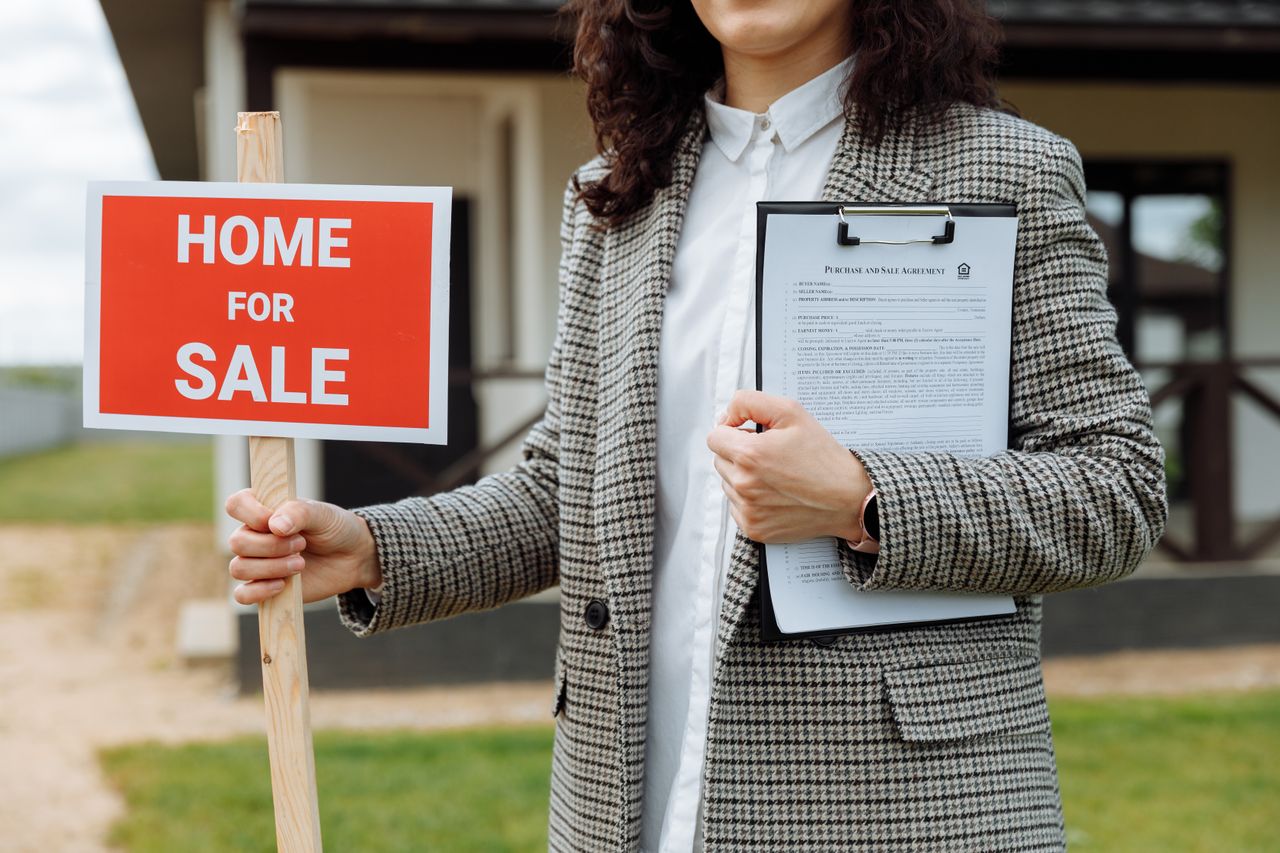
Photo by Thirdman
Your buyer finds your house. They fall in love with it and put in an offer. You accept that offer. Your lender is prepared to close on the loan.
You can still run into a roadblock.
You must be able to give the title as described in the purchase contract. If there is an outstanding lien, a mortgage not released, an unknown heir, or a mistake on a deed. There are many ways that can make that hard for you to do.
Many title problems can be found before closing. Knowing about title insurance and closings can allow you to identify these issues sooner.
Table of Contents
- What does a title company do before closing?
- Title Problems That May Cause Your Sale Not to Close
- Finding These Title Issues
- Tips For Your Buyer and Seller
- Title Insurance
- Final Thoughts
What does a title company do before closing?
They research the property and see if there are any claims against it that could affect your buyer’s ownership. This process is known as searching and examining title.
It can consist of looking at deeds, mortgages, tax information, liens, and court orders that may be related to the property. They will determine if the seller can deliver the title they are promising and what needs to be done before that happens.
After that, they will provide a title commitment or order one to be made. This will state what requirements must be completed in order to issue a title insurance policy. It will also have any exceptions that may exclude coverage on your policy. This is not the actual title insurance policy.
Some title companies will provide settlement services, hold monies, draft documents, and order them to be recorded. This varies case by case and area by area.
For example, a Pennsylvania title company may review county property records, identify an unreleased mortgage, and help coordinate the steps needed to address it before settlement. Starting early leaves more room to solve problems.
Title Problems That May Cause Your Sale Not to Close
There are many things that will not cause your sale to fail. Some only require a check to be written or a document to be found. Others may require attorney assistance or an extended closing date.
Here are some things to watch out for.
Liens & Previous Mortgages
A lien can be placed against property or a person who owns the property. This could be due to unpaid taxes, judgments, etc. All of these can become a problem when selling your home.
An existing mortgage is normal and can often be paid off from the seller’s proceeds at closing. Most of the time, the bank will send over a payoff, and your proceeds from selling the house will pay that off. Problems arise when the payoff amount is unknown or if there was a previous mortgage that was never released on record.
Your title company may need to receive the payoff, a release of mortgage, or satisfaction of mortgage to be recorded before your sale can proceed.
Unknown Owners/Heirs
Maybe there is someone listed on a deed that is no longer alive. Or perhaps the prior deed is not located. The seller may have received the property from an estate, and those documents are not complete.
Now you have a larger question of who is allowed to sign for this property.
You may need to go through an attorney to find all of these parties and get them to sign the proper documents. It can take some time to find these individuals and clear title on a property.
Mistakes on Deeds
Someone’s last name was spelled incorrectly; that’s ok. The title team can figure out who it belongs to. If there is a mistake on the legal description of the property, you may run into more trouble.
There may be a missing signature on a deed or no deed to be found that leads to the current owner.
This can be fixed with an affidavit, corrective deed, or other documents. Depending on the issue, you may need an attorney involved to fix the problem. Your title company will know what steps to take.
Easements
You may have an easement that allows a utility company to cross your property. Or maybe there is a restriction on your deed that states what the property can be used for.
These don’t always need to be removed. Many easements or recorded restrictions can remain after the sale as policy exceptions.
If your buyer wants to build something on that property or your lender needs to look into it further, now you have a problem. Better to know about it before your closing date!
Fraudulent Documents/Fake Identities
Sometimes someone may try to pass themselves off as the owner of a property. There may be a forged deed that someone recorded against your property. This can be a major headache to get resolved.
A title search may flag an unusual transfer, but a forged signature or seller impersonation won’t necessarily show up as a problem in public records. It’s important to make sure the title team has proper identity checks when performing its search.
Always look into anything that may seem suspicious when trying to sell or buy a property.
Finding These Title Issues
Most of the time, your buyer will not know that these issues are taking place. But here is how they are usually found.
According to a study by the American Land Title Association in March 2026, 58.7% of respondents indicated that there were 3-5 requirements/exceptions that had to be cleared on the title commitment in order to close. These can range from simple mortgage payoffs to finding unknown heirs.
Usually, they follow these steps.
- Search the property. They will look at all of the deeds, mortgages, tax info, and court records that are associated with your property.
- Look at the information they found and decide what needs to be cleared of title or will be left on your title insurance policy as an exception.
- Once they know what they need, they will request payoff letters, releases, cure title by having an attorney help them, etc.
- Near closing, they can confirm that required conditions are being met and check for newly recorded matters since the earlier search.
These steps can take time, so finding out what is needed early can reduce avoidable delays.
Tips For Your Buyer and Seller
There are things both buyer and seller can do to prevent their sale from falling apart.
If you are selling your home, let your settlement agent know if there are any odd circumstances. Maybe you received your home from an estate, went through a divorce, have an old mortgage, or are fighting with a contractor. Tell them as soon as you can!
As a buyer, make sure you read your title commitment when you receive it. If there are any requirements or exceptions you don’t understand, ask your title company. There may be some that stay on your policy, but you want to know what they are.
Some tips to remember when buying or selling a home:
- Give your documents as soon as you have them.
- Answer questions as soon as you can.
- Let your lender/agent know if you run into any issues.
- Always double-check wire instructions before sending money.
If you run into any issues, ask what needs to be done, who is responsible for doing it, and if you will still be able to close on your scheduled closing date.
Title Insurance
Your title company is there to find problems with the title before you purchase the property. If something slips through, you can be protected with title insurance. There are many things that are excluded from your policy, but it can cover some of the issues mentioned above.
You will typically see a lender’s title insurance policy and an owner’s policy. As the name states, your lender’s policy will insure them, and the owner’s policy will insure you, the buyer. An owner’s policy is separate from a lender’s policy. Its cost and who pays for it depend on the transaction and local practice.
Final Thoughts
Just because there is something on your title does not mean you won’t be able to close. Someone just needs to know what the issue is and see if it can be resolved.
Search your title early, respond to your title company’s requests, and know what you are getting yourself into when you buy a home!