
Image by Cottonbro Studio from Pexels
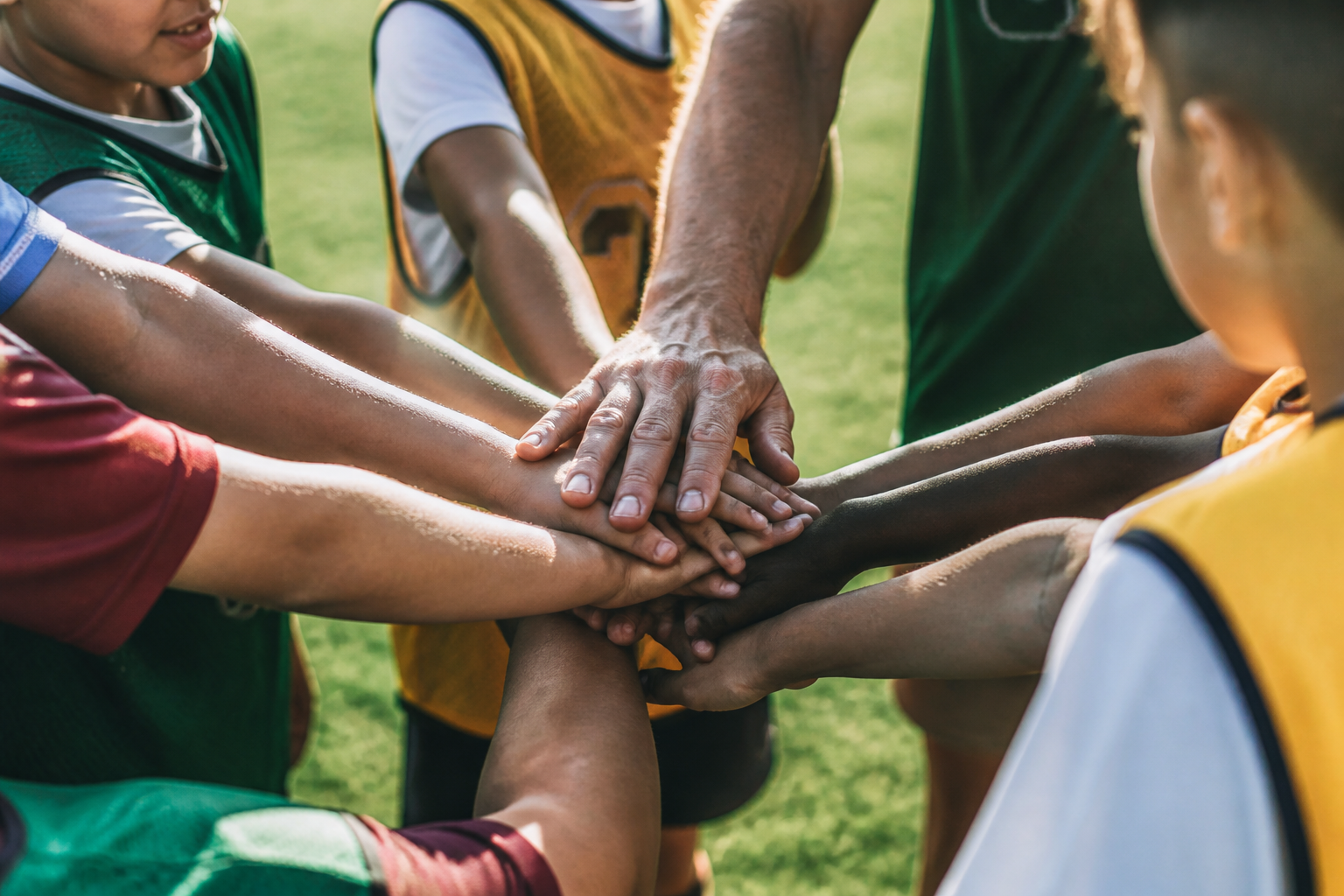
Alt text: A team in a huddle.
Strong club identity is built session by session through repeated shared experiences, not through a logo, a team name, or a season-opening speech.
Grassroots organisers typically spend most of their energy on fixtures, logistics, and results, which means culture gets left to chance. When it does, athletes drift. These six practical actions give any volunteer-run club a repeatable framework for building genuine belonging starting this week.
1. Agree on a Simple Set of Values Everyone Can Actually Use
Values only work when they are short enough to say on a sideline during a two-minute break. A laminated poster in the clubhouse often gets ignored, but three words repeated at every session become part of how the group thinks. Phrases like “show up,” “support each other,” and “keep improving” are specific enough to carry weight and simple enough to remember.
Involve both coaches and players in writing them to build immediate buy-in. When athletes help create the rules, they hold each other accountable much faster than they would under top-down instruction. Schedule a brief values review at the start of each new season, since what matters to twelve-year-olds in September shifts significantly by spring.
| Key Insight: Values only work when they are short enough to say on a sideline during a two‑minute break. Three words repeated at every session become part of how the group thinks. |
2. Make New Members Feel Included From Their First Session
Assign one returning athlete as a dedicated buddy for each new member instead of giving the team a general instruction to be welcoming. One person with a clear responsibility prevents newcomers from falling through the cracks. Implementing social inclusionary tactics like personal introductions creates significantly greater member attachment than leaving integration to chance.
Following that, a brief verbal overview of the club removes the anxiety that keeps people quiet for the first month. Explain the history, typical session structures, and first competition expectations.
Clubs taking these steps find newcomers stay past the first four weeks at a noticeably higher rate because they already know someone’s name before leaving. This deliberate retention matters because youth dropout rates remain critically high, with seventy per cent of participants quitting sports entirely before adolescence.
3. Create a Consistent Competition-Day Look
A unified kit does more than identify which side is which. On competition day, consistent colours and coordinated apparel signal preparation to opponents, officials, and the athletes themselves. The same standard across the roster communicates that everyone contributes to a single effort.
Wrestling coaches face a specific version of this challenge regarding specialised gear. Every competitor stepping onto the mat needs a singlet that holds its shape under physical pressure while carrying individual names or numbers.
Options like Sports Gear Swag’s custom performance wrestling singlets provide this necessary customisation without enforcing large minimum order sizes that small clubs cannot justify. Outfitting a roster of eight to fifteen athletes becomes a practical process rather than a logistical barrier.
4. Give Volunteers and Families Visible Roles in Club Life
Parents and volunteers who feel genuinely useful stay engaged. A general call for help at the start of the season usually only produces short-term hands, whereas specific roles create consistent contributors. Assign a dedicated timekeeper, session photographer, kit manager, or warm-up organiser to give volunteers concrete responsibilities.
Deliver a verbal thank-you at the end of training in front of the group to reinforce that their contribution matters. Recognition never needs to be formal to work. Families integrated into daily operations stay longer and help sustain the club’s long-term schedule.
5. Celebrate Progress Through Small Traditions and Milestones
Traditions do not require high production value to stick. A post-match chant, a player-of-the-week shoutout at the end of practice, or a first-competition patch sewn onto a gear bag all qualify. The format matters far less than the repetition. A celebration happening once is just a nice moment, but repeating it every season weaves it into the club’s framework.
Start marking specific milestones like completing a first season, hitting a personal best in a drill, or reaching three years of membership. Connect this recognition directly to effort and attendance rather than just winning. Grassroots development spans years, and athletes need to see their steady improvements recognised along the way.
| Quote: A celebration that happens once is a nice moment; one that happens every single season becomes part of what the club is. |
6. Carry Your Identity Into Community Events and Social Channels
Participating in a school fair, local charity run, or community day as a coordinated group extends club identity beyond the training ground. Wearing consistent colours to these events adds no extra cost and signals to potential new members that the group operates cohesively. Build social media feeds by documenting real moments instead of relying on game results alone.
Candid training photos, volunteer shoutouts, milestone posts, and sideline scenes create a much stronger narrative. Avoid turning every post into a recruitment pitch, and let the actual culture speak through authentic documentation. A shared hashtag and consistent visuals give interested families something concrete to find before they attend their first practice.
The Path Forward
These steps form a recurring operational baseline rather than a one-time project checklist. A values review at the start of the season and a buddy system on day one set immediate expectations for newcomers. Integrating specialised gear, like customised wrestling singlets for mat sports, physically reinforces that shared standard.
Volunteers build the framework around the athletes when given named, concrete roles instead of open invitations. Documenting these milestones online and at local events solidifies the culture for the surrounding community.
| Author Profile: Sports Gear Swag is the leading online retailer of custom sports apparel and gear for teams, schools, and organisations of all sizes. Specialising in team jerseys, uniforms and athletic apparel with a wide range of customisation options. |