
Birmingham homes come in all shapes and ages, from Victorian terraces and interwar semis to converted industrial buildings and modern city-centre apartments. This variety gives local homeowners plenty of scope to make their interiors their own.
Current design choices favour character, comfort and clever use of space rather than rooms that look overly styled. Here are ten trends that work particularly well across Birmingham homes.
1. Warm, Earthy Colours Are Taking Over
Cool grey interiors have had a long run, but warmer shades now offer a more inviting alternative. Clay, terracotta, muted olive, warm beige, and deep brown can add depth without making a room feel dark.
You don’t have to repaint every wall to use this trend. Try a warm neutral on the walls, then introduce stronger colours through cushions, rugs, ceramics or artwork. In period homes with original fireplaces or decorative mouldings, earthy shades can also bring attention to architectural details without overwhelming them.
2. Heating Is Becoming Part of the Design
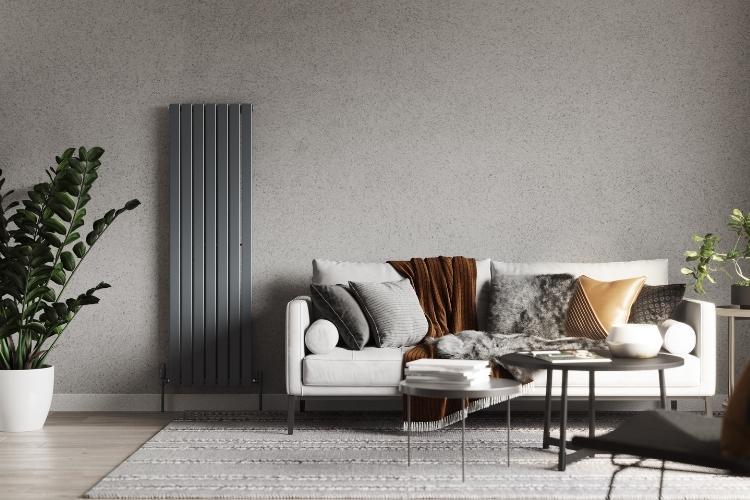
Radiators are increasingly treated as part of the room rather than something homeowners automatically try to hide. This approach makes particular sense when wall space is limited or a traditional radiator clashes with an otherwise contemporary interior.
Vertical radiators can work well on narrower sections of wall, while different finishes give homeowners more freedom when planning the wider colour scheme. A darker radiator, for example, can sit comfortably alongside black-framed furniture, dark kitchen hardware or industrial-style details.
Practical considerations still matter. Before choosing a radiator, think about the room’s heating requirements, available wall space and the position of furniture. Retailers such as ukradiators offer options that work effectively for living rooms, bathrooms, kitchens, and bedrooms in different shapes and finishes that fit the modern interior design.
3. Natural Materials Add Texture
Wood, stone, linen, wool, and rattan are finding their way into modern interiors. Their appeal comes partly from the texture and variation they bring to spaces that might otherwise feel too polished.
Birmingham homeowners can introduce natural materials without committing to a complete renovation. A solid wood dining table, linen curtains or a wool rug can soften a modern room. In a kitchen, wooden stools and chopping boards can add warmth alongside harder surfaces.
Older properties with timber floors, exposed brick, or original fireplaces have another option. Work with what’s there. Restoring an existing feature can often give a room more personality than replacing it with something designed to look old.
4. Small Spaces Are Working Harder
Space-saving design has moved beyond simply buying smaller furniture. Homeowners are thinking more carefully about how every part of a room functions, particularly in flats, terraces and homes where one space needs to serve several purposes.
Built-in storage can use alcoves, under-stair areas, and awkward corners. A window seat with storage beneath it creates both seating and a place to hide clutter. Wall-mounted desks can turn an unused section of a bedroom or living room into a compact workspace.
Furniture choice matters too. Round dining tables can make movement easier in tighter rooms, while benches tuck neatly underneath tables when they are not needed. Rather than filling a small home with miniature furniture, choose a few appropriately sized pieces and keep clear routes through the room.
5. Layered Lighting Replaces the Single Ceiling Light
One overhead light rarely creates the right atmosphere for every activity. Modern lighting schemes use several sources at different heights, allowing the same room to feel bright and practical during the day and softer in the evening.
Start with general lighting, then add lamps where you actually need them. A floor lamp beside a reading chair has a clear purpose, as does under-cabinet lighting in a kitchen. Wall lights can also free up bedside tables or provide useful illumination in narrow rooms.
Warm-toned bulbs often suit living rooms and bedrooms, while task areas need enough light for cooking, reading or working. Planning lighting around how you use a room usually produces better results than choosing fittings purely for their appearance.
6. Period Details Meet Contemporary Furniture
Birmingham’s older housing provides plenty of opportunities to mix eras. Cornicing, ceiling roses, bay windows and traditional fireplaces can sit comfortably alongside contemporary sofas, simple shelving and modern lighting.
The trick is to avoid making every item compete for attention. If a room has an ornate fireplace, simpler furniture can give it room to stand out. Likewise, contemporary artwork can bring fresh energy to a traditional wall without hiding the building’s character.
This approach also takes the pressure off making an old house look completely new. Signs of age and original details can become part of the design rather than problems to disguise.
7. Kitchens Feel Less Uniform
Matching every kitchen surface and cabinet can sometimes leave the room feeling flat. A more relaxed approach introduces contrast through different finishes, colours and materials.
Homeowners might pair painted cabinets with a timber shelf, choose contrasting handles or use a different colour on an island. Open shelving can break up long runs of cabinetry, although it works best for items you genuinely use or want on display.
The strongest kitchens still feel connected across their different elements. Repeating a finish, colour or material elsewhere in the room can stop a mixed design from looking accidental.
8. Curved Shapes Soften Straight Lines
Many homes naturally contain hard lines, from door frames and kitchen units to shelving and windows. Curved furniture offers a simple way to soften that geometry.
Rounded coffee tables, arched mirrors and chairs with curved backs can make a room feel less rigid. This works particularly well in smaller spaces because furniture without sharp corners can make circulation feel easier.
You don’t need to make every item curved. One or two rounded pieces can provide enough contrast against rectangular furniture and architectural features.
9. Storage Is Becoming More Discreet
Good storage does not need to dominate a room. Handleless cupboards, fitted cabinetry and furniture with hidden compartments can keep everyday belongings close without creating visual clutter.
In a Birmingham terrace, fitted cupboards beside a chimney breast can use space that might otherwise go to waste. In an apartment, a storage bed or full-height hallway cupboard can reduce the need for several separate pieces of furniture.
10. Personal Interiors Are Replacing Show-Home Perfection
Perhaps the most useful trend is a move away from interiors that feel copied straight from a catalogue. Books, collected artwork, inherited furniture and travel finds can give a home character that a perfectly matched set cannot reproduce.
Personal rooms still benefit from editing. Grouping objects by colour, material or theme can make a collection feel intentional, while leaving some surfaces clear prevents the space from becoming busy.
Final Thoughts
Modern interior design in Birmingham is less about following one particular look and more about making homes comfortable, practical and individual. Warm colours and natural materials can add character, while layered lighting, thoughtful heating and clever storage tackle everyday needs.
Start with the way you actually use each room, then choose the trends that solve a problem or genuinely suit your taste. The result is more likely to feel at home in Birmingham – and, more importantly, like home to you.