
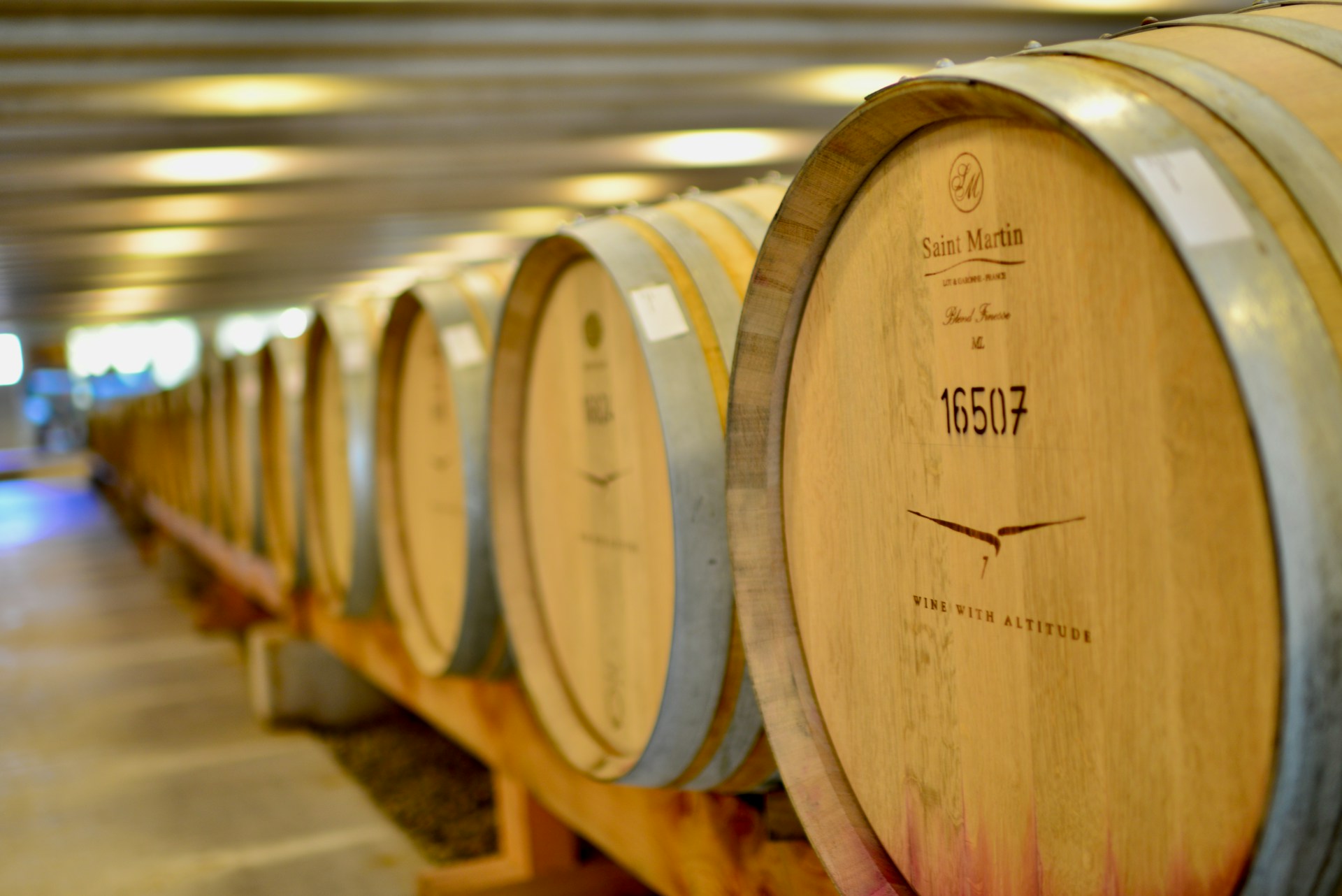
When it comes to whisky maturation techniques that genuinely transform a spirit, few approaches are as distinctive as triple cask ageing. Expressions like Loch Lomond triple oak whisky have helped bring this technique to wider attention, showcasing how the combined influence of three cask types can produce layers of flavour and complexity that single-cask maturation simply cannot replicate.
What Is Triple Cask Maturation?
Triple cask maturation refers to the process of maturing or finishing a whisky in three distinct types of oak casks, rather than the single-cask approach that defines many traditional Scotch whiskies. Each cask type leaves its own imprint on the spirit, contributing a different set of flavour compounds, tannins, and aromatic characteristics. The most commonly used casks include ex-bourbon American oak barrels, ex-sherry European oak casks, and various wine or port casks. The result of exposing a whisky to three different wood influences is a spirit that is typically richer, more layered, and more complex than one aged in a single cask.
How Different Casks Influence Flavour
The type of cask used in maturation is one of the most significant factors in determining the final flavour profile of a Scotch whisky. American oak ex-bourbon casks are widely used in the Scotch industry and tend to impart vanilla, honey, and light coconut notes to the spirit. European oak ex-sherry casks contribute dried fruit, warm spice, and a rich, deep quality. Port casks bring their own distinctive influence, adding dark berry fruits and a subtle sweetness that complements the underlying spirit character. When a distiller layers these influences through sequential maturation in three cask types, the interactions between those wood characters create an unusually multifaceted flavour experience.
Why Triple Cask Ageing Is Becoming More Popular
The growth of interest in premium and craft Scotch whisky has driven considerable innovation in maturation techniques over recent decades. Whisky drinkers today are more knowledgeable and adventurous than ever before, actively seeking expressions that offer something beyond the expected. Triple cask maturation appeals directly to this curiosity, delivering a whisky that is demonstrably different from standard single maturation releases. For distillers, it also represents an opportunity to create a distinctive signature style that stands apart from competitors in an increasingly crowded premium whisky market, where differentiation through production techniques is highly valued.
The Role of Oak in Whisky Development
Oak is not simply a vessel for storing whisky during maturation. It is an active ingredient that chemically interacts with the spirit over time. The wood contains natural compounds, including lignins, hemicellulose, and tannins that break down gradually and contribute to the colour, aroma, and flavour of the whisky. The porosity of oak also allows the spirit to breathe very slightly, enabling slow oxidation that softens harsh alcoholic notes and encourages the development of mellower, more integrated flavours. The size and age of the cask, the length of maturation, and the previous contents of the barrel all influence this ongoing interaction in meaningful ways.
How to Taste a Triple Cask Whisky
To fully appreciate the complexity of a triple cask whisky, it is worth taking your time rather than rushing straight to a large sip. Begin by nosing the whisky in a tulip-shaped glass, holding it just below nose level and allowing the aromas to develop. Look for the interplay of sweet, fruity, and spicy notes that reflect the different cask influences at work. On the palate, take a small sip, let it travel to your mouth, then exhale slowly. The finish, which refers to the flavours that linger after swallowing, is often where the true complexity of a well-matured triple cask whisky reveals itself most clearly and memorably.
Pairing Triple Cask Whisky with Food
The rich, layered character of a triple-cask whisky makes it a surprisingly versatile partner for food. Dark chocolate with a high cocoa content works beautifully alongside the dried-fruit and spice notes that a sherry-cask influence tends to contribute. Aged hard cheeses, such as a well-matured cheddar or pecorin,o provide a contrasting savouriness that highlights the sweeter vanilla and honey elements from bourbon casing. For a more casual pairing, smoked nuts or a simple charcuterie board complement the warmth and depth of the spirit without overpowering it. Adding a few drops of still water can also open up new aromatic dimensions not immediately apparent at full strength.