
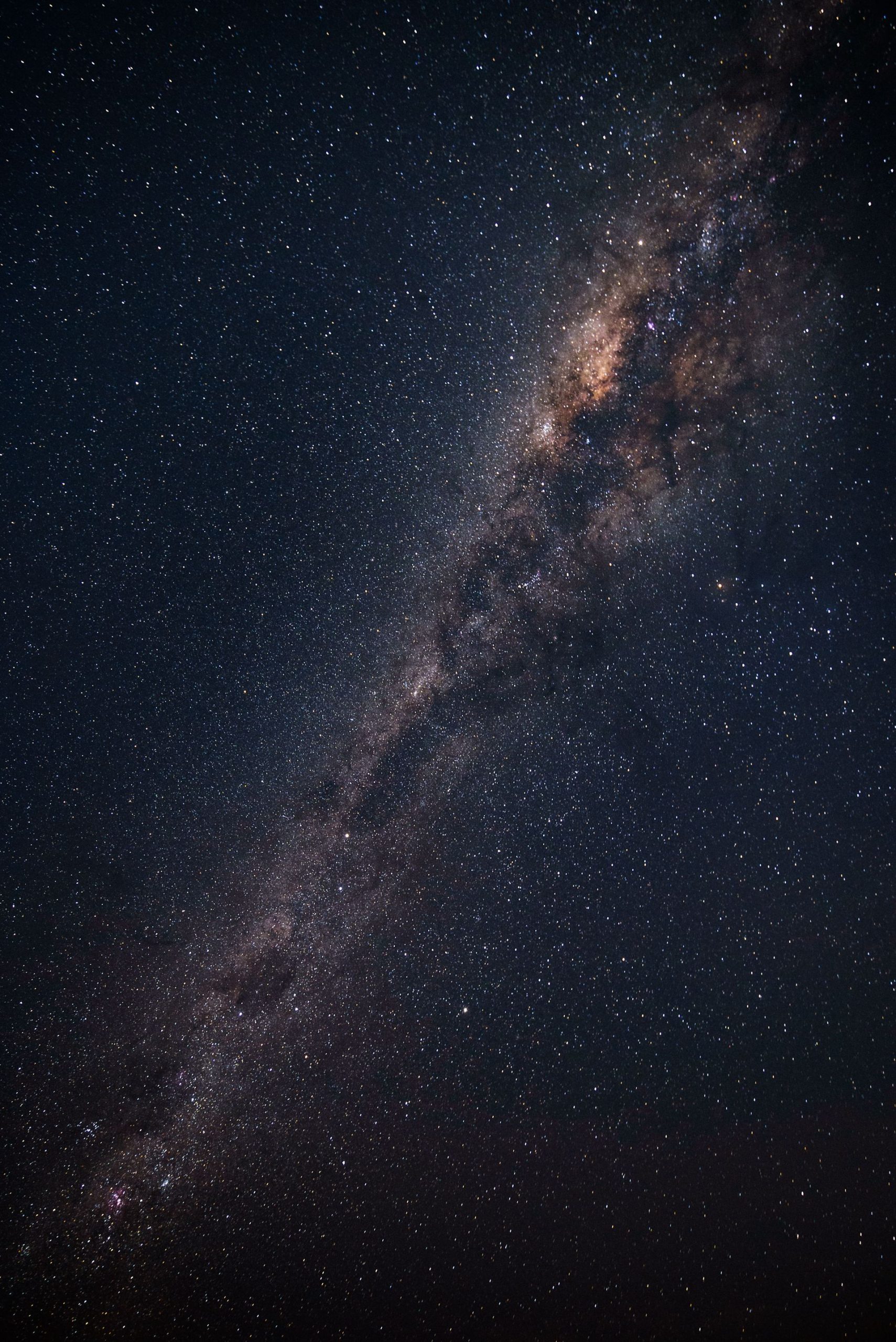
Photo by Philippe Donn
There is nothing quite like a truly dark sky. Step away from city lights into real darkness and the heavens transform, thousands of stars appear, the Milky Way arcs overhead, and you feel the quiet awe that humans have known for millennia. For many travelers, chasing that view has become a reason to plan a whole trip.
The catch is that brilliant night skies are getting harder to find. Light pollution has washed the stars from most populated places, which makes the remaining dark-sky destinations all the more precious. This guide covers what makes a great stargazing spot and where to look for an unforgettable night under the stars.
What Makes a Great Stargazing Spot
Three things separate a magical night sky from a disappointing one. The first is darkness, genuine distance from the glow of cities. The second is altitude or dry air, since thin, arid atmospheres reveal more stars. The third is simple: clear weather, because even the darkest sky is useless under cloud.
Many of the best places to look up pair those conditions with somewhere comfortable to stay, and starlit nights at a Valle de Guadalupe Resort capture that combination, with dark rural surroundings just inland from the coast. The right base lets you stargaze late and rest easy afterward.
Deserts: The Classic Dark Sky
Deserts are the gold standard for stargazing, and for good reason. Their dry air, high elevation, and distance from large cities create some of the clearest, darkest skies on earth. On a moonless desert night, the sheer number of visible stars can be genuinely overwhelming.
Wine regions and rural valleys near deserts often share these qualities. Far enough from urban glow yet comfortable to visit, they let you spend an evening beneath a spectacular sky and still sleep somewhere welcoming, which is a rare and rewarding combination.
Mountains and High Plateaus
Altitude is a stargazer’s friend. Climb above the thicker, hazier air near sea level and the sky sharpens, with more stars and greater clarity. High plateaus and mountain regions around the world host many of the planet’s great observatories for exactly this reason.
Traveling to elevation does take planning, since weather can change quickly and nights turn cold. But the payoff, a crisp, star-dense sky stretching from horizon to horizon, is worth the extra layers and the careful timing.
Designated Dark Sky Places
Around the world, certain areas have earned official dark-sky status, recognized and protected for their exceptional night skies. These reserves and parks actively limit light pollution, making them reliable destinations for travelers serious about seeing the stars at their best.
Seeking out these protected places takes much of the guesswork out of planning. Their darkness is documented and defended, so you arrive knowing the sky has a real chance to deliver, provided the weather cooperates on the night.
Timing Your Stargazing Trip
Even the darkest destination disappoints under a full moon. To see the most stars, plan your trip around the new moon, when the sky is at its blackest. A little research into the lunar calendar pays off enormously in what you actually get to see.
Season matters too. Different times of year reveal different features of the sky, from the bright core of the Milky Way to particular constellations and meteor showers. Checking what is visible during your window helps you choose the most rewarding moment to go.
Making the Most of the Night
A few simple habits transform a stargazing session. Give your eyes at least twenty minutes to adjust to the dark, avoid white light, and use a red torch instead. Dress far warmer than you expect, since standing still under a clear sky gets cold fast, even in mild regions.
Bring something to lie back on so you can take in the whole sky in comfort. Whether you use binoculars, a telescope, or just your eyes, the real magic is often simply lying still, looking up, and letting the scale of it all sink in.
Frequently Asked Questions (FAQs)
1. What Makes a Destination Good for Stargazing?
Darkness away from city lights, dry or high-altitude air, and reliably clear weather are the key ingredients. The further you are from light pollution, the more stars you will see.
2. When Is the Best Time to Go Stargazing?
Around the new moon, when the sky is darkest, gives the best views. The ideal season depends on what you want to see, since different features of the night sky appear at different times of year.
3. Do I Need Special Equipment?
Not at all. The unaided eye reveals a great deal under a truly dark sky. Binoculars or a telescope enhance the view, but many travelers find lying back and simply looking up is the most rewarding approach.
4. Why Are Deserts and Wine Regions Good for Stargazing?
Their dry air and distance from large cities produce dark, clear skies. Rural valleys near deserts often add the comfort of somewhere pleasant to stay, combining great stargazing with an easy trip.
5. How Can I Protect My Night Vision While Stargazing?
Allow your eyes around twenty minutes to adjust to darkness and avoid bright white light, which resets that adjustment. A red torch lets you see what you are doing without spoiling your view of the stars.